


- The direct answer
- Why the answer is yes, with two conditions attached
- The three decisions that make signature scenting work here
- Comparing signature scenting against the rest of the experience
- Zoning, intensity and what stays unscented
- What to specify, and where
- A note from Sonal
- Questions operators ask about signature scenting
2. It is a finishing detail, not a foundation. A consistent scent added to a facility that already gets arrival, seating and pacing right reads as considered; the same scent added to cover gaps in those basics reads as an attempt to distract from them.
3. Clinical and examination areas stay untouched. Blood collection, imaging, procedure rooms and any space where a client is undressed, fasting or unwell carry no fragrance at all — this is a fixed rule, not a judgement call made room by room.
4. Consistency across every visit matters more than intensity. The same low, dry register present in the same places on every visit builds a recognisable environment; a scent that appears strongly on one visit and is absent on the next reads as inconsistent rather than considered.
5. Staff control is part of the standard, not an afterthought. Whoever runs the front of house must be able to switch the system off within seconds if a client raises a concern, and the answer to any objection is always to reduce or switch off, never to defend the scent.
Signature scenting can be part of a premium health-check experience, and often should be — but it is the last, smallest layer on top of an environment that is already working, never the thing asked to create that impression by itself.
Why the answer is yes, with two conditions attached
Signature scenting earns a qualified yes here because a premium health-check package is already selling an organised, hosted experience, and a considered, consistent environment is part of how that experience is delivered — the same reasoning that puts weight on seating, pacing and a briefed reception applies to a consistent fragrance, at a much smaller scale.
The two conditions exist because a health-check facility is not a hotel lobby or a retail store. Clients spend hours in the building, and clinical rooms sit metres from the lounge. A scent that would be entirely appropriate in a hospitality setting can be wrong here if it travels into the wrong room or is pitched at the wrong strength — which is why intensity and zoning are conditions, not preferences.
Treating scenting as a finishing detail rather than a differentiator also protects the operator from a common mistake: expecting fragrance to do work that belongs to staffing, layout and pacing. A distinctive scent on top of a well-run facility reads as a considered brand choice; the same scent on top of a facility with long, unexplained waits reads as an attempt to paper over the wait.
The three decisions that make signature scenting work here
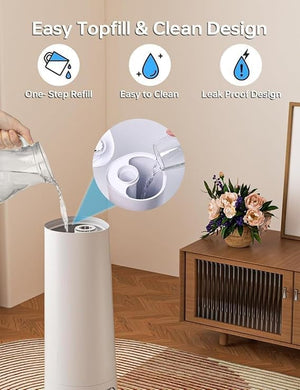
 Vaayu₹11,999Reception, waiting, the lounge and connecting corridors can carry a consistent, low scent. Consultation, blood collection, imaging and any room where a client is examined or unwell carry none, as a standing rule rather than a case-by-case judgement.
Comparing signature scenting against the rest of the experience
Signature scenting sits at the bottom of this list by design — every row above it does more to shape whether the visit feels premium.
| Layer | What it contributes | Where it is decided | What it costs |
| A staffed, briefed reception | The first impression of being expected and organised | Front-of-house / practice management | Staff briefing |
| Seating, privacy and pacing | Whether the wait itself feels considered or generic | Interior layout and scheduling | Layout, mostly no new spend |
| Consultation and result delivery | Whether the clinical part of the visit feels attentive | Clinical staff and scheduling | Training, not a purchase |
| Signature scenting, zoned and held low | A consistent, low-key finishing layer across hospitality areas only | SOSA, signed off with the facility's own layout | ₹11,999 for Vaayu, zoned |
| Signature scenting is the smallest layer here, deliberately placed last — it finishes an experience the other rows already carry. | |||
 Vaayu · reception and lounge, zoned₹11,999Shop →
  Sukoon · one combined zone₹1,899Shop → Mountain Breeze · a single waiting area₹849Shop →
Zoning, intensity and what stays unscented
Scent reception, the waiting area, the lounge and any connecting corridor a client passes through between hospitality spaces. These are the rooms where a consistent, low-key fragrance reads as considered rather than intrusive, and where clients spend enough unstructured time for a steady register to register at all.
Leave consultation rooms lower than the lounge, or unscented entirely — where a result is being discussed, neutral is the safer choice. Blood collection, imaging, procedure rooms, changing rooms and any space where a client is undressed, fasting or unwell carry no fragrance under any circumstance, regardless of how the hospitality areas are scented.
Set the lowest intensity that is still noticeable at the entrance, lock it against casual adjustment, and confirm the system can be switched off within seconds. If any client ever objects, the answer is to reduce the setting or switch it off — never to defend or explain the fragrance.
What to specify, and where
Every route below assumes the fragrance is confined to hospitality zones and clinical areas stay untouched.
| Route | Facility | Why | What it costs |
| Vaayu, wall- or duct-mounted at reception and lounge, key-locked | A multi-room premium centre with reception, lounge and consultation kept separate | Zoned, scheduled and lockable so the hospitality areas stay consistent and clinical rooms stay untouched | ₹11,999 |
| Two Vaayu units, one per hospitality zone | A facility where reception and the lounge are in separate areas or on separate air paths | One unit cannot hold two zones at the same consistent level | ₹23,998 |
| Sukoon, single zone, held on the lower setting | A smaller premium practice with one combined reception-and-lounge room | Proportionate coverage for a single room, easily switched off | ₹1,899 |
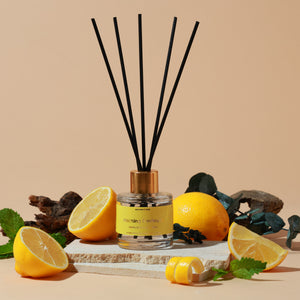
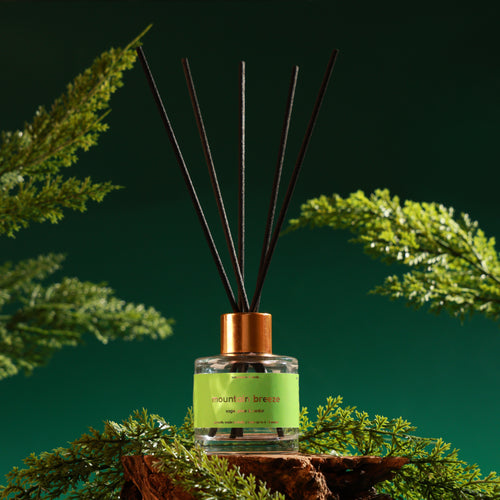
| Reed, waiting area only | A single-suite or single-room premium offering | A small, low-key presence appropriate to one room | ₹849–₹1,349 |
| Leave consultation, blood collection, imaging and procedure rooms unscented | Any facility offering a premium package | The standing zoning rule, applied without exception | — |
Founders ask me this question expecting a simple yes or no, and the honest answer sits in between. Signature scenting is a real, worthwhile layer on a premium health-check experience — I would not be building SOSA if I thought otherwise — but it is one layer among several, and not the one doing the heaviest lifting.
What I push back on is the idea that a distinctive fragrance can be the differentiator on its own. I have sat in enough lounges to know that a client remembers whether they were greeted by name and whether their wait was explained to them far more than they remember a specific smell — the fragrance is part of the memory, not the headline of it.
When a facility already has its reception, seating and pacing right, adding a considered, zoned, low-intensity signature scent is one of the more straightforward recommendations I make. It is the finishing layer this experience deserves, placed exactly where it belongs and nowhere else.
Questions operators ask about signature scenting
- Should an Executive Health Centre Have Its Own Signature Fragrance? — the equivalent question asked of the whole executive health centre, not just the premium package.
- Should a Preventive-Health Company Develop a Signature Scent for Its Corporate Centres? — whether a preventive-health company should develop one signature scent across its corporate centres.
- Can Healthcare Hospitality Include Ambient Scent Without Making Medical Claims? — how to include ambient scent in healthcare hospitality without making a medical claim.
- Should Professional Scenting Be Included in the Interior Standards for Every New Executive Health Centre? — whether professional scenting should be a standard interior requirement for every new centre.
- Brand: the SOSA founder story.
SOSA products & prices (verified September 2026): Reed diffusers 50ml ₹749–₹849 (to 150 sq ft, 6–8 weeks at six reeds) · 130ml ₹1,249–₹1,349 (above 150 sq ft, 14–18 weeks) · reed refill 300ml ₹2,399. Ultrasonic: Boond ₹899 (~150 sq ft) · Sukoon ₹1,899 (270–320 sq ft, ships with three 15ml Hotel Collection fragrances) · Megh ₹3,499 (6L tank, ~100 hrs runtime, ~215 sq ft — a runtime machine, not a coverage upgrade). Waterless cold-air: Safar ₹3,999 (no published coverage figure) · Vaayu ₹11,999 (up to 1000 m³, roughly 2,000–3,000 sq ft; 400ml tank lasting about 90+ days; app and onboard control, 1h/4h/8h/24h run windows, adjustable intensity, key-lock, under 38 dB, freestanding or wall/HVAC mount, 5W, CE/RoHS/SGS) · Aangan ₹25,999 (8,000–10,000 sq ft). Hotel Collection water-based fragrance 15ml ₹299 · 100ml ₹999 · 300ml ₹1,799 is for ultrasonic machines; reed oil and Hotel Collection are not interchangeable. Reed diffusers are alcohol-free, phthalate-free, paraben-free, IFRA-compliant and low VOC, handmade in small batches in Pune. Every purchase funds a girl's education through Nanhi Kali. Prices and availability subject to change — see the live product pages.