
Why Your Air-Conditioned Room Smells Stale, and What Actually Fixes It

Why Your Air-Conditioned Room Smells Stale, and What Actually Fixes It

★ The smell that arrives in the first minute of the AC and fades · and the one that never leavesCandle ₹379 · reed ₹749 · Boond ₹899 · Sukoon ₹1,899 · free shipping above ₹499A portion funds girl-child education
★ SOSA · find the cause, then scent the room
An air conditioner runs a cold wet coil in a warm room. What grows there is blown at you on start-up, and no fragrance fixes it
★ ★ ★ ★ ★
★★★★★
"The vinegar smell for the first sixty seconds. Washed the filter, which I had never once done in four years. Gone completely."
Nikhil B. AC filter, Hyderabad
Free fix · filter
★★★★★
"I genuinely thought the room was dirty. It was the coil. One service and the whole thing stopped, and I had been about to spend far more on scent."
Ritika S. AC service, Noida
Told to service first
★★★★★
"Asked whether a diffuser would help a room that already felt clammy. Was told plainly that it adds water to the air and would make it worse. Respect."
Prasad V. AC room, Mumbai
Told not to buy
★★★★★
"Fan on and it feels fine, AC on and it feels closed. The explanation was recirculation versus exchange and it made instant sense."
Ishita G. Understood the cause
Fan vs AC
★★★★★
"Study I sit in all day and never noticed. My wife did. Ten minutes of cross-draught at lunch, and now a Boond in the corner."
Manav D. Boond ₹899
Study, Pune
★★★★★
"Guest room, spotless, still musty. It was simply never opened. Now it gets twenty minutes a week and a reed, and it is ready whenever."
Tara J. Guest room reed
₹749 · always ready
★★★★★
"The vinegar smell for the first sixty seconds. Washed the filter, which I had never once done in four years. Gone completely."
Nikhil B. AC filter, Hyderabad
Free fix · filter
★★★★★
"I genuinely thought the room was dirty. It was the coil. One service and the whole thing stopped, and I had been about to spend far more on scent."
Ritika S. AC service, Noida
Told to service first
★★★★★
"Asked whether a diffuser would help a room that already felt clammy. Was told plainly that it adds water to the air and would make it worse. Respect."
Prasad V. AC room, Mumbai
Told not to buy
★★★★★
"Fan on and it feels fine, AC on and it feels closed. The explanation was recirculation versus exchange and it made instant sense."
Ishita G. Understood the cause
Fan vs AC
★★★★★
"Study I sit in all day and never noticed. My wife did. Ten minutes of cross-draught at lunch, and now a Boond in the corner."
Manav D. Boond ₹899
Study, Pune
★★★★★
"Guest room, spotless, still musty. It was simply never opened. Now it gets twenty minutes a week and a reed, and it is ready whenever."
Tara J. Guest room reed
₹749 · always ready
A cool-mist diffuser adds 30–50 ml of water an hour — the wrong machine for a damp room Dry the room, find the water, then scent it. In that order, and not before Candles and reeds add no moisture · candles from ₹379, reeds from ₹749


Founder Diaries · Home Fragrance · Air Conditioning & Closed Rooms
By Sonal Sahani · ISIPCA Versailles 12 min read Updated August 2026
This is the guide the other nine articles in this group have been building towards, and its job is to stop you treating one symptom as one problem. An air-conditioned room that smells stale is almost always carrying two of three separate causes at once: the machine, which grows biofilm on a cold wet coil and blows it at you on start-up; the sealing, which is eight hours of accumulation with no air exchange; and the dryness, because an air conditioner removes a great deal of water and dry air is perceived differently. They need three different fixes and four of the five steps are free. Work through the symptom table below, deal with what it points at in order, and reach the fragrance section last — which is where it belongs and where this page will leave it.
Quick answers — read this first
Cause one — the machine: the evaporator coil and filter run cold and wet, biofilm forms there, and the first airflow of the day blows it into the room. Worst in the first minute, then it fades.

Cause two — the sealing: a split unit recirculates the room's own air behind a shut window. Nothing new comes in for eight hours, so everything the room produces accumulates. Builds through the night, worst at waking.

Cause three — the dryness: the coil condenses several litres of water out of the air over a night. Very dry air dries the throat and dulls the front of the nose, and flat air gets described as stale.

The fix order, free first: wash the filter; run fan mode for five to ten minutes before switching off; ten minutes of two-sided exchange at each end; a mug of water down any unused drain; then a seasonal coil service. Fragrance is step six, not step one.
The short answer
Short answer: three causes, not one. The machine (biofilm on a cold wet coil and a dirty filter), the sealing (no air exchange for eight hours) and the dryness (an AC removes humidity, which changes how air is perceived). Most rooms have two of the three, which is why fixing only one of them disappoints people.
Tell them apart by timing: worst in the first minute and then fading means the coil and filter; building through the night and worst when you wake means the sealing; a sour or vinegary note means the drain pan; a dry throat and flat air means humidity; anything sharp and sweetish and chemical means a technician, not a product; and fine with the fan but stale with the AC means the sealing rather than the machine.
Shop, at step six: the Hotel Collection at ₹299 for 15ml, ₹999 for 100ml and ₹1,799 for 300ml at about ₹6 per millilitre, three drops in a cooled room. The Sukoon is ₹1,899 for 270–320 sq ft with steady, 2H and 4H timers and three 15ml scents included; the Boond is ₹899; candles from ₹379 and alcohol-free reeds from ₹749 for a room that is at all damp. Free shipping above ₹499.
Straight answer
Why does my air-conditioned room smell stale, and what actually fixes it?
1. Separate the three causes before you spend anything, because they are not one problem. The machine: a cold wet evaporator coil and a loaded filter grow biofilm, and the first airflow of the day carries it into the room. The sealing: a split unit recirculates the room's own air behind a shut window, so eight hours of production meets no removal. The dryness: the coil condenses several litres of water out of the air over a night, and very dry air is perceived as flat.

2. Use the timing to work out which ones you have. A smell that is worst in the first minute and then fades is a deposit being blown off the machine. A smell that builds through the night and is worst when you wake is accumulation in a sealed room. A dry throat with air that seems flat rather than dirty is the humidity. Most rooms have two of the three.

3. Then do the free things, in this order. Filter out and washed, every two to four weeks in season. Five to ten minutes of fan mode before you switch the unit off, so the coil is not left standing wet in a warm room all day. Ten minutes of two-sided exchange before you switch on and ten after you switch off. A mug of water down any drain in the room or its bathroom that has not been used for a fortnight.

4. Then the one thing worth paying a technician for. A seasonal clean of the evaporator fins, the blower wheel and the drain pan. Those are the parts you cannot reach and they are where a sour or vinegary smell actually lives. SOSA does not sell this and it is the right thing to spend money on.

5. Fragrance is step six, and it will not do any of the five above it. Once the air is clean and moving, three drops of something dry in a cooled room reads as more than four would in a warm one. And if the room is at all damp, use a candle at ₹379 or a reed from ₹749 rather than a cool-mist machine, which adds 30 to 50 millilitres of water an hour.

A portion of every order supports girl-child education through Nanhi Kali.

TL;DR: three causes wear one smell: the machine (biofilm on a cold wet coil and filter), the sealing (eight hours with no exchange) and the dryness (an AC pulls litres of water out of the air). Timing tells you which you have — first minute and fading is the machine, building overnight is the sealing, flat air with a dry throat is the humidity. Filter, fan-mode dry-down, ten minutes of exchange at both ends and a mug of water down the drain are all free. Fragrance is step six.
SOSA Sukoon
The last step, and only once the first four are done
SOSA Sukoon ₹1,899
500ml BPA-free tank, 270–320 sq ft, 16–18 hours per fill on low at 30–50 ml/h against 9–12 on high, 2.4MHz cool-mist plate, remote, auto shut-off, steady, 2H and 4H timers, three 15ml Hotel Collection scents of your choice included. Four of the five fixes on this page cost ₹0 and this is the fifth. If you have not done the first four, this machine will disappoint you and it will be right to. Once the filter is clean, the coil has been dried down, the room gets ten minutes of genuine exchange at each end and the drain has water in it, an air-conditioned room is one of the easiest spaces in an Indian home to scent properly.

Three causes wearing one smell

The reason this problem resists solving is that it presents as a single complaint and is almost never a single fault. Somebody washes the filter, gets a real improvement for a week, decides the filter was not it after all, and buys a diffuser instead. What actually happened is that they fixed one of the two causes they had, and the other one was untouched and carried on. So the first thing to do is stop treating stale as a description of a problem and start treating it as a description of a symptom that three different mechanisms can produce, sometimes at the same time and in the same room.

1
CAUSE ONE · THE MACHINE
A cold wet coil, a loaded filter, and the first airflow of the day
The mechanism is straightforward once somebody explains it, and almost nobody ever does. An air conditioner cools by running room air over an evaporator coil held below the dew point. Water condenses out onto the fins and drains away, which means that for every hour the machine runs it is holding a large, cold, wet metal surface in a warm room, with a fan pulling every particle in that room through a mesh filter directly in front of it. Dust, skin, cooking aerosol and fabric fibres arrive continuously; some is caught by the filter and the rest lands on the wet fins. Warmth, moisture and organic material is the complete specification for biofilm, and biofilm on a coil is not a fault or a sign of a dirty home — it is what that arrangement produces given time. The signature is the timing. The smell arrives in the first thirty to sixty seconds after start-up, when the fan begins moving air across surfaces that have been sitting undisturbed, and then it fades as the deposit is blown off and the coil gets properly cold. A smell that fades is a deposit; it lives in the machine and not in the room. The filter is yours and takes ten minutes at a tap every two to four weeks in season, and it is the highest-yield maintenance in an Indian summer. The coil, the blower wheel and the drain pan are not yours; they need a technician once a season. And the free habit that prevents most of it is five to ten minutes of fan-only running before you switch the unit off, so the coil is dried rather than left standing wet in a warm dark box until the following evening.
2
CAUSE TWO · THE SEALING
Eight hours of production against no removal at all
The second cause has nothing to do with the appliance and everything to do with the door. A split air conditioner does not ventilate. It has no duct to the outside and brings in no outdoor air whatsoever; it takes the room's own air, cools it and returns it, and it does this behind a window you have shut because an open one would be throwing the cooling away. So for the whole time it runs, the room is a sealed volume with everything in it still working: two people breathing and giving off moisture, bedding, a rug, a mattress, paint that has a year of curing left, furniture and foam off-gassing slowly, a laundry basket, a damp towel, a bin. None of that stops. What stops is removal. The signature here is the mirror image of the machine's: instead of arriving and fading, the smell builds steadily and is at its worst at the moment you wake up and open the door, and then vanishes almost immediately. A smell that builds is a supply, and it lives in the room rather than in the machine. The fix is not a product and it is not complicated: ten minutes of genuine cross-ventilation before you seal the room for the night and ten minutes after you open it in the morning, using two openings on opposite or adjacent walls rather than one, because one window is ventilation and two is exchange. Twenty minutes out of a whole night, and it costs nothing. This is also the cause behind the observation that a fan room feels fresher than an AC room, since a fan is almost always run with something open and an air conditioner never is.
3
CAUSE THREE · THE DRYNESS
The coil takes litres of water out, and dry air is read as flat
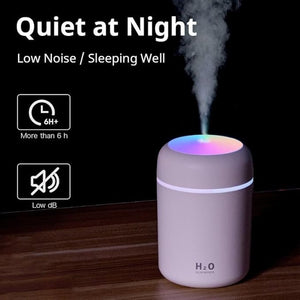
The third cause is the one that never gets named, and it explains the cases where the filter is spotless, the room has been aired, and something still seems wrong. Dehumidification is not a side effect of air conditioning, it is half of what the machine does. Water condenses out of the room's air onto the cold fins and runs away down the drain line, which is the pipe dripping on your wall all summer, and over a hot night in an Indian city that is several litres. Sustained for eight hours in a sealed room it can take the humidity down further than anybody would choose deliberately, and the effects are specific: a dry throat and a dry nose on waking, and a slightly reduced sense of smell, because odour molecules must dissolve into a thin film of moisture before receptors can register them. A nose in dry air reports less, air that is reported less reads as flat, and flat gets described as stale — which is how a room can be objectively cleaner and drier than the fan room down the corridor and still be the one people complain about. The correction is not to buy a humidifier and it is certainly not to seal the room harder. It is to put real air back into the day, to run the ceiling fan on low alongside the AC with the thermostat a degree or two higher so the room is not driven so hard, and to be careful with dry or dehumidify modes overnight, which are settings for a wet day rather than a default. A cool-mist diffuser does return a small amount of moisture — 30 to 50 millilitres an hour on low against the litres the coil is removing — which is why it is comfortable in a dry cooled bedroom and completely wrong in a damp one.
The sentence that separates the three: a smell that fades came off the machine, a smell that builds came out of the room, and air that feels flat rather than smelling of anything is not a smell at all — it is humidity, and no fragrance will address it.

Symptom to cause: the diagnostic table

This is the centrepiece of the guide and the thing to read if you read nothing else. Find the line that matches what you actually notice, in the words you would use yourself, and it will tell you which of the three causes you are dealing with and what to do about it. Most people match two lines, which is expected and is the reason a single fix so often disappoints. The one row that is not a fragrance or maintenance matter at all is the chemical one, and it needs a technician the same week.

Symptom to cause
What you notice, what it is, and what to do about it
What you notice What it is What to do Cost
Worst in the first minute after switch-on, then it fades ★ The machine. A deposit on the filter and evaporator coil, blown off by the first airflow Wash the filter, and run five to ten minutes of fan mode before switching off so the coil dries. Book a seasonal coil clean ₹0, then a service
Builds through the night and is worst when you wake The sealing. Eight hours of production in a room with no air exchange at all Ten minutes of two-sided cross-ventilation before you switch on, and ten again after you switch off in the morning ₹0
Sour, vinegary, or like a cloth left in a bucket The drain pan and the wet parts of the machine, where standing water and biofilm sit together A technician on the drain pan, the fins and the blower wheel. The filter alone does not reach this A seasonal service
Throat dry on waking, air feels flat rather than dirty The dryness. The coil has removed several litres of water over the night Fan on low with the thermostat a degree or two up, real air exchange at both ends, and no dry mode overnight ₹0
Sharp, sweetish and chemical, or a burning note Not a fragrance problem in any sense. Possible refrigerant or an electrical fault Switch the unit off and call a technician the same week. Do not scent a room to cover this Call somebody
Fine with the fan on, stale with the AC on The sealing, not the machine. A fan is nearly always run with something open and an AC never is Open the room for ten minutes at each end, then run both together with the thermostat up a degree ₹0
Musty in a room that has been shut for weeks Closure plus moisture, and often a drain trap that has dried out in an unused bathroom Leave the door open by default, twenty minutes of draught weekly, and a mug of water down every drain ₹0
Shop this guide
Step six, once the first five are done
The SOSA principle
Three causes wear the same word. The machine, the sealing and the dryness. Most rooms have two of them, which is exactly why fixing one is so often disappointing.
A smell that fades came off the machine. A smell that builds came out of the room. Air that feels flat is neither — it is humidity, and no product in any shop will change it.

The fix order, and where fragrance comes in

Here is the order, and the reason for the order is that each step makes the next one worth doing. One: the filter, out and washed from the clean side, every two to four weeks during the season you use the unit daily and fortnightly if there is dust, a pet or a smoker in the house. Ten minutes at a tap and it must be completely dry before it goes back. Two: five to ten minutes of fan-only running before you switch the unit off, every night, so the coil is not left soaking wet in a warm dark box for eighteen hours. Three: ten minutes of genuine cross-ventilation before you switch on and ten after you switch off, two openings rather than one. Four: a mug of water down every floor drain, basin and unused shower in the room or its bathroom, monthly, because a U-bend seal evaporates in two to four weeks of disuse and then the drain vents into the room. Five: a seasonal service on the evaporator fins, the blower wheel and the drain pan, which are the parts you cannot reach. Four of those five are free and the fifth is not something SOSA sells. Between them they deal with the machine, the sealing and most of what people are actually smelling, and they do it in an order where nothing is wasted: there is no point scenting air you are about to replace, and no point replacing air that is going to be blown at through a grey filter tomorrow evening.

Then step six, which is fragrance, and it should be approached differently in a cooled room than anywhere else in the house. Cool, dry, slow-moving air carries a composition unusually well — there is no heat driving the volatile end off it and no draught tearing it apart — so the dose goes down rather than up. Three drops of the Hotel Collection in an air-conditioned bedroom, not four, against a range composed at three to six drops per tank with the dose counted per tank rather than per litre. Machine placement matters more here than in a fan room: at the edge of the room, waist height or above, half a metre clear of any wall, off bare wood, away from electronics and books, and never directly under the vent or in the arc of a ceiling fan, because a moving air stream disperses the light top of a scent and leaves the heavy end standing alone. And now the caveat that this group's own honesty requires carrying forward: a cool-mist ultrasonic is a small humidifier that carries fragrance, running at 30 to 50 millilitres an hour on the low setting. In a dry air-conditioned room that is a small number against the litres the coil is removing, and it is usually a comfort rather than a problem — low setting, 2H timer, and stop if the inside of the window starts misting. But in a room that already feels clammy, a monsoon flat being dried out, a basement or ground-floor room with seepage, or anywhere condensation already forms, it is the wrong machine, and a Bookshop candle at ₹379 or a reed diffuser from ₹749 is the right one because neither adds any water at all.

Then the constraints, the habituation and the principle this whole group is built on. Within about a fortnight you will stop being able to smell whatever you have chosen for that room, while every visitor still receives it at the level you set — and the instinct that produces, which is to add drops, is exactly wrong. One honest guest asked to be truthful rather than polite is worth more than any amount of adjusting. On the range: the Hotel Collection is water-based and runs in the Sukoon at ₹1,899, the Boond at ₹899 and the Megh at ₹3,499 only. It does not go into a reed diffuser, which is a separate alcohol-free line with its own five scents, and not into the waterless Vaayu at ₹11,999, which takes its own undiluted oil for spaces up to 1000m³. Never put raw essential or carrier oils into an ultrasonic, since they clog the 2.4MHz plate; rinse the tank when you change scent; buy the 15ml at ₹299 before committing to the 300ml 300ml refill at ₹1,799. Candles must be attended and put out. SOSA makes no room or linen spray for the home — the sprays in the range are car perfumes — which matters on this page because a spray is the first thing people reach for when a cooled room feels flat, and it is the least useful thing they could reach for. The principle, one last time: find the source, change the air, deal with the moisture, and only then decide what the room should smell like. Fragrance is a finishing layer on air that is already clean and moving, and on this page it is step six of six.

A smell that fades came off the machine. A smell that builds came out of the room. And air that feels flat is not a smell at all — it is the humidity, and no bottle will touch it.
— Sonal Sahani, SOSA

The SOSA edit

The complete order of work for an air-conditioned room that smells stale, with everything free at the top and the one thing worth paying a technician for in the middle. Fragrance is row six of seven, which is where it belongs. The last row prints a product SOSA does not make, because it is the first thing people go looking for.

The SOSA edit
An air-conditioned room that smells stale, in the complete order of work
Do this What it is Which cause it addresses Cost
1. Wash the filter ★ Out, rinsed from the clean side, dried completely in shade, refitted. Every two to four weeks in season The machine. The highest-yield ten minutes available in an Indian summer ₹0
2. Fan mode before switching off Five to ten minutes of fan-only, or the unit's dry or self-clean setting, every night The machine. It stops the coil standing soaking wet in a warm box for eighteen hours ₹0
3. Ten minutes of exchange at both ends Two openings on opposite or adjacent walls before you switch on and after you switch off The sealing. Neither the AC nor a fan brings in any outdoor air, so this is the only step that does ₹0
4. A mug of water down every drain Floor drains, basins and unused showers in the room and its bathroom, monthly The sealing, and the sharp note nobody can place. The U-bend seal evaporates in two to four weeks of disuse ₹0
5. A seasonal coil service A technician on the evaporator fins, the blower wheel and the drain pan, once a year The machine, specifically the sour and vinegary end of it. SOSA does not sell this and it is the right thing to spend on Not ours
6. Hotel Collection 15ml in a Sukoon or a Boond Seven water-based scents at three to six drops per tank, three in a cooled room; 500ml with steady, 2H and 4H timers and three scents included, or 300ml None of them. It is a finishing layer on air that is already clean and moving, and it is step six for that reason ₹299 + ₹1,899 / ₹899
7. A candle or a reed if the room is damp Neither adds any water. A cool-mist ultrasonic adds 30–50 ml an hour, which is wrong for a room you are drying out The dryness, in reverse. If condensation is already forming anywhere, do not run a mist machine at all ₹379 / from ₹749
Honest notes for buyers: fragrance is the last step, never the first. It layers on air that is already clean and moving, and it will not remove a source — not damp, not a dry drain trap, not a loaded sofa, not a filter that needs washing. Deal with the cause, change the air, then scent the room. On timing: a candle puts scent into a room in fifteen to twenty minutes and a Sukoon reaches a steady level in about twenty, while a reed diffuser needs a day to three days before it is doing its job — the wrong buy for a deadline and the right buy for a room you want to hold one level for months. SOSA does not make a room or linen spray for the home; the sprays in the range are car perfumes. A cool-mist ultrasonic adds 30–50 ml of water an hour to the air, so it is the wrong machine for a room you are trying to dry out. The Hotel Collection is water-based and runs in the Sukoon, Boond and Megh only — not in reeds and not in the waterless Vaayu. Reed diffusers are a separate alcohol-free line with their own scents. Candles must be attended and put out. The Hotel Collection scents are SOSA's own interpretations inspired by the world's finest hotels; SOSA is an independent Indian fragrance house, not affiliated with or endorsed by any hotel brand. A portion of every order supports girl-child education through Nanhi Kali.
SOSA reed diffusers
For the household that will not keep a routine
SOSA reed diffusers from ₹749
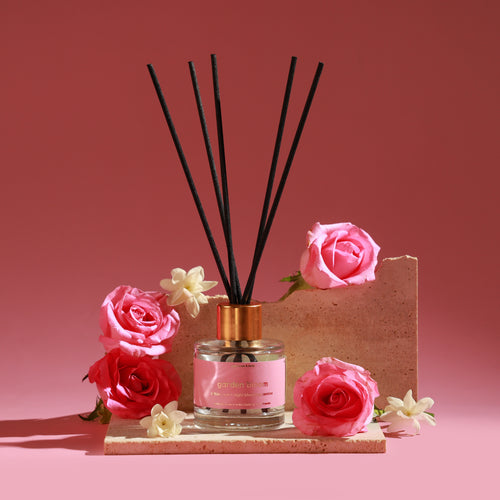
A separate alcohol-free line with its own five scents — Morning Freshness from ₹749, Garden Bloom and Evening Calm from ₹799, Fresh Brew and Mountain Breeze from ₹849. No electricity, no water, no tank, no timer and nothing added to the humidity of the room, which is why this is the honest answer for a damp flat and for anybody who knows perfectly well that they will not refill a machine. 24 to 72 hours to establish, then months at one level. 130ml from ₹1,249, duos from ₹1,498, 300ml refills ₹2,399.
SS
ISIPCA
Versailles
A note from Sonal

If I could put one thing from this group into every Indian flat with a split unit in it, it would not be a product. It would be the sentence about three causes, because the reason people spend money badly here is that they treat one word as one fault. Stale is not a fault. It is a description that fits a dirty filter, a sealed room and a dehumidified one equally well, and most rooms are two of those three at once. Somebody washes the filter, gets a week of improvement, concludes it was not the filter, and buys a machine to cover what was really the sealing all along. I have had that conversation more times than I can count, and it always ends with somebody having spent money on the wrong step of a list they were never shown.

So this page puts the list in order and keeps our own products in sixth place, which is where they honestly belong. Four of the first five steps cost nothing and the fifth goes to a technician rather than to us. What I will say for the sixth is that once the first five are done, an air-conditioned room becomes one of the nicest spaces in an Indian home to scent: cool, dry, quiet, undisturbed air holds a dry composition beautifully at three drops, and a room like that needs less rather than more. If your room is damp instead of dry, buy the candle or the reed and not the machine. That has been the position of every page in this group and I am not going to change it in the last one.

Everything is made and supported from Pune, and a part of every order funds girl-child education through Nanhi Kali. You get a home that smells like somewhere you chose; a girl gets a classroom. That equation has always felt right to me.

Frequently asked questions

Why does my air-conditioned room smell stale?
Usually two of three causes at once: the machine, where biofilm grows on a cold wet evaporator coil and a loaded filter and is blown into the room on start-up; the sealing, where a split unit recirculates the room's own air behind a shut window for eight hours; and the dryness, since the coil condenses several litres of water out of the air and very dry air is perceived as flat.
How do I tell which cause I have?
By timing. Worst in the first minute and then fading is the machine, because a deposit is being blown off and used up. Building through the night and worst when you wake is the sealing, because production is continuous and removal is zero. A dry throat with air that feels flat rather than dirty is the humidity, which is not a smell at all.
What should I do first, and what does it cost?
Wash the filter, every two to four weeks in season. Then five to ten minutes of fan mode before switching off. Then ten minutes of two-sided cross-ventilation at each end of the session. Then a mug of water down any drain that has not been used for a fortnight. All four are free. A seasonal coil service is the only thing worth paying for, and SOSA does not sell it.
When is the smell a job for a technician rather than for cleaning?
When it is sour or vinegary, which points at the drain pan and the wet parts of the machine that a filter wash does not reach; and immediately when it is sharp, sweetish and chemical, or has a burning note, which can mean refrigerant or an electrical fault. Switch the unit off and call somebody the same week rather than scenting over it.
Where does fragrance actually fit?
At step six of six, on air that is already clean and moving. In a cooled room the dose goes down rather than up — three drops of the Hotel Collection rather than four — and the machine goes at the edge of the room, out of the vent's path. If the room is at all damp, use a Bookshop candle at ₹379 or a reed diffuser from ₹749 instead, since a cool-mist diffuser adds 30 to 50 millilitres of water an hour.
Five free steps, then a sixth
Filter, dry-down, exchange, drain, serviceand only then the scent
Once the first five are done, the Hotel Collection is ₹299 for 15ml, ₹999 for 100ml and ₹1,799 for 300ml at about ₹6 per millilitre, at three drops in a cooled room. The Sukoon is ₹1,899 for 270–320 sq ft with steady, 2H and 4H timers and three 15ml scents of your choice included, and the Boond is ₹899. For a room that is at all damp, candles from ₹379 and alcohol-free reed diffusers from ₹749 add no water at all. Free shipping above ₹499, and a portion of every order supports girl-child education through Nanhi Kali.
See the Sukoon → ₹1,899 Shop the Hotel Collection
Continue the read
More from SOSA
Editorial standards & sources
About this guide: Written by Sonal Sahani, ISIPCA Versailles-trained founder and perfumer at SOSA Home & Body — the complete guide to air-conditioned and closed rooms, drawing together nine articles into one diagnostic: the three separate causes that produce a single stale smell, how the timing of the smell identifies which of them you have, the symptom-to-cause table that covers the sour drain pan and the chemical note that needs a technician, the five steps that come before any purchase and cost nothing or go to an engineer rather than to us, and the narrow conditions under which a fragrance is worth adding at all.

Facts verified August 2026: Diagnostic facts used in this guide: a closed room accumulates what it cannot exchange, so cross-ventilation needs two openings rather than one; a drain's U-bend water seal evaporates in roughly two to four weeks of disuse and then admits sewer gas, which is corrected by pouring water down the drain; microbial growth in fabric and on surfaces accelerates above about 60% relative humidity, and Indian monsoon indoor humidity commonly runs 80–95%, which is the one situation where ventilating on a wet day can import moisture rather than remove it; an air-conditioner's cold, wet evaporator coil and filter grow biofilm that is blown into the room on start-up; textiles adsorb cooking aerosol and body oils and re-release them for weeks; and olfactory adaptation makes a constant household smell undetectable to its residents within about a fortnight while visitors still perceive it. Timings: a scented candle scents a normal room in roughly 15–20 minutes, a Sukoon ultrasonic diffuser reaches a steady level in about 20 minutes from cold, and a reed diffuser needs roughly 24–72 hours. SOSA products and prices: Sukoon 500ml ₹1,899 (270–320 sq ft, 16–18h on low, 9–12h high, 30–50 ml/h, 2.4MHz cool mist, remote, steady/2H/4H timers, BPA-free, auto shut-off, includes three 15ml Hotel Collection scents of your choice); Boond 300ml ₹899; Megh 6-litre ₹3,499; waterless Vaayu ₹11,999 (up to 1000m³); Aangan ₹25,999. Hotel Collection water-based fragrance 15ml ₹299, 100ml ₹999, 300ml ₹1,799, Pack of 7 at 15ml ₹1,799; dose 3–6 drops per tank. Reed diffusers (separate alcohol-free line): Morning Freshness from ₹749, Garden Bloom and Evening Calm from ₹799, Fresh Brew and Mountain Breeze from ₹849; 130ml from ₹1,249; duos from ₹1,498; 300ml refills ₹2,399. Scented candles: Bookshop 80g ₹379, Amber Rose 130g ₹599 and 220g ₹799, Smoked Oudh 130g ₹449, ceramic jar candles ₹949, Pure Calm wax melt set ₹854. Free shipping above ₹499. SOSA does not make a room or linen spray for the home. The Hotel Collection scents are SOSA's own interpretations; SOSA is not affiliated with or endorsed by any hotel brand. Prices subject to change — see the live product pages.
Zurück zum Blog