


One fragrance, scored across the whole visit — full at arrival, a trace during treatment, full again in the lounge — so the guest experiences an arc, not a series of unrelated smells.
How do I build one?
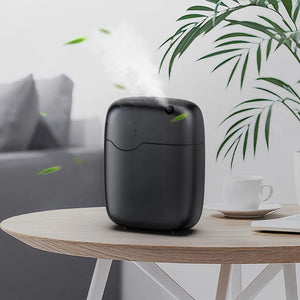
Choose a single cast from the Hotel Collection (from ₹299) and vary its volume by zone using a SOSA Vaayu (₹11,999), or building-wide with an Aangan (₹25,999).
2. Score it in movements. Full at arrival to set the theme; a trace through treatment so the therapy leads; full again in the lounge to resolve the piece. Same key throughout.
3. Make arrival the statement. The threshold is where the signature is boldest — the moment the guest crosses out of the day. A Vaayu (₹11,999) holds it steady from open to close.
4. Let treatment fall almost silent. In the massage or facial room the signature drops to a trace so the therapist’s oils and the guest’s breath lead. A Boond (₹799) on low is enough.
5. Bring the theme back for the finale. The relaxation lounge returns the signature at strength, holding the calm and making the next booking feel natural.
6. Keep the wet zones out of the score. Scent the approach, not the steam; heat amplifies everything. A portion of every order supports girl-child education through Nanhi Kali.
The journey as a score
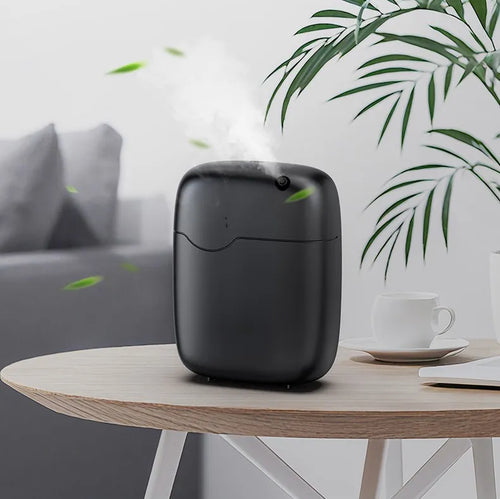
Ask a guest afterwards what they remember of a spa and they rarely recall a single room; they recall an arc — the relief of arriving, the depth of the treatment, the reluctance to leave. A well-designed spa journey shapes that arc deliberately, and fragrance is uniquely suited to carrying it, because unlike a wall or a light fitting, scent travels with the guest and persists in memory long after the visit. If lighting and sound are the instruments, the signature is the melody that ties the movements into one piece.
The mistake is to treat each room as a separate composition — a different “nice smell” in reception, in the corridor, in the treatment room, in the lounge. That is not a journey; it is a medley, and it leaves the guest with no through-line to remember. A journey uses one signature and varies only its volume. The theme is stated boldly at the threshold, recedes almost to silence where the body must lead, and returns at full strength to resolve the visit. Same melody, different dynamics. That consistency is precisely what makes the experience feel authored rather than accidental.
This is also what makes the journey portable. A signature scored once can be reproduced in a second location, so a returning guest recognises the brand through the nose before they have consciously registered why. The journey becomes the property, not the building.
The four movements
| Movement | How the signature plays |
|---|---|
| Arrival — reception, threshold | Full statement of the signature; the boldest moment of the journey |
| Transition — corridors, changing | A lighter, connective trace that carries the theme along |
| Treatment — massage, facial rooms | Almost silent; the therapy’s own aromas lead, signature to a trace |
| Return — relaxation lounge | Signature back at strength; the finale that holds the calm |
SOSA Vaayu · arrival & lounge₹11,999View → 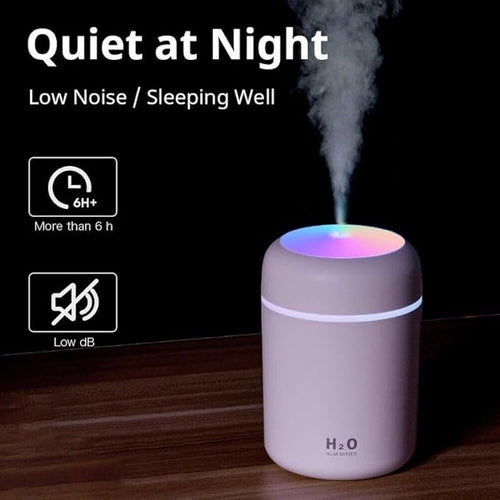 Boond · treatment trace₹799View →
 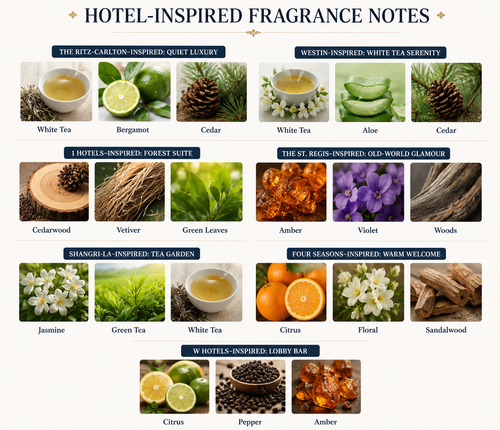 Hotel Collection · the themefrom ₹299View →
One melody, never a medley
The discipline of a single signature is harder than it sounds, because every zone tempts you to “improve” it. The treatment therapist wants their own note; the lounge feels like it could take something richer; someone suggests a seasonal scent for the festival period. Resist. The moment the key changes room to room, the through-line snaps and the guest is left with fragments. If you want variety, express it through intensity and timing, not through a different fragrance — a fuller pour at arrival, a scheduled lift in the lounge at peak hours, a near-silence in the treatment room. The melody stays; only the dynamics move.
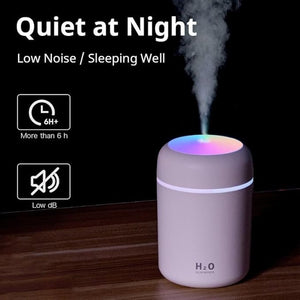
Treatment rooms deserve special care, because this is where the journey is most easily overplayed. A guest face-down on a massage table, breathing through a cradle, must not be met with a strong ambient scent; the therapist’s aromatherapy oils are the intended smell there, and they are the therapist’s tool, distinct from your signature. Keep the room to a trace — a Boond (₹799) on low, ideally therapist-adjustable — so the treatment leads and the signature merely lingers at the edge of perception, ready to return in the lounge.
To deliver the whole score seamlessly, an HVAC unit is the most elegant instrument: an Aangan (₹25,999) carries one cast across every public movement of the journey, zoned by strength, with the treatment and wet zones trimmed or excluded. For a smaller spa, a Vaayu (₹11,999) holding arrival and lounge, plus a Boond in each treatment room, plays the same piece at a smaller scale.
The SOSA commercial edit
To score a journey, you want one instrument for the full movements and a quieter one for the treatment trace. Here is the shortlist.
| System | Best for | Why it works | Price |
|---|---|---|---|
| Boond | A single treatment room, washroom or changing room | Compact, low-output ultrasonic; easy to hold to a trace so the treatment leads | ₹799 |
| Sukoon + Hotel Collection | A single reception or a small relaxation lounge | Compact front-of-house scenting; audition two casts a fortnight apiece | ₹1,799 + from ₹299 |
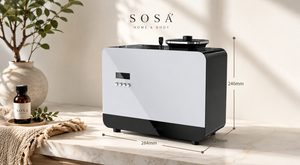
| SOSA Vaayu ★ | Reception, corridors and lounges — the professional standard | Waterless cold-air nebulising, up to ~1000m³, app + 1/4/8/24h timer, <38dB, no added humidity | ₹11,999 |
| SOSA Aangan | A whole wellness centre, 8,000–10,000 sq ft, via the HVAC | One signature ducted across every public zone, wet areas left on their own circuit | ₹25,999 |
| SOSA Meenar | A flagship or large property, 12,000–18,000 sq ft | The largest HVAC unit for multi-wing centres and resort spas | ₹38,500 |
| Hotel Collection refills | Keeping the signature running | 100ml / 300ml top-ups; low running cost across long daily hours | from ₹999 |
Versailles
The first time I designed a full journey rather than “a scent for reception”, I stopped thinking like a perfumer and started thinking like a composer. Where does the theme enter? Where does it drop away so the body can lead? Where does it return to send the guest home? Those are musical questions, and the spa answered them beautifully.
The owner told me, months later, that guests had begun describing the visit as “seamless” without being able to point at any one thing. That word was the whole ambition. A journey works when the seams disappear — when the guest feels an arc, not a sequence of rooms.
We compose our signatures in Pune, and a portion of every order supports girl-child education through Nanhi Kali. Your spa gets a melody; a girl gets a classroom.
Frequently asked questions
- Fragrance Zoning for Different Spa Areas — the volumes each movement of the journey should play at.
- Spa Interior Design and Fragrance — the journey seen as the interior’s finishing layer.
- SOSA Vaayu — the unit that holds the arrival and lounge movements, ₹11,999.
- Brand: the SOSA founder story — how an ISIPCA perfumer composes a scent as a journey.
Facts verified August 2026: ambient scent-marketing effects on dwell time, perceived quality and recall are real but moderate, congruence with the space matters more than intensity, and there is no measurable benefit on unclean or poorly ventilated premises. SOSA system specifications and prices as stated: Boond ₹799, Sukoon ₹1,799, Megh ₹3,499, Vaayu ₹11,999, Aangan ₹25,999, Meenar ₹38,500, Hotel Collection scents from ₹299, refills from ₹999. The Hotel Collection scents are SOSA's own interpretations inspired by the world's finest hotels; SOSA is an independent Indian fragrance house, not affiliated with or endorsed by any hotel brand. Prices subject to change.