




Terracotta-heavy version? The Four Seasons-inspired Warm Welcome, creamier and warmer.
The thing nobody tells you: natural fibres are porous and absorb readily, so an earthy room needs fewer drops than its floor area suggests — usually two to three.
2. Dose down, not up. This is the part that surprises people. Natural fibres are porous — jute, sisal, cotton, wool and linen absorb fragrance quickly and give it back slowly. An earthy room of 280 sq ft needs 2–3 drops where a hard-surfaced one needs 5–6.
3. If the room runs terracotta: Four Seasons-inspired. Warm Welcome — citrus, floral and sandalwood. Fired clay reads warm and has a real dry-mineral smell of its own; a creamy sandalwood agrees with it where a cold clean scent would not.
4. If the room is full of plants: Shangri-La-inspired. Tea Garden — jasmine, green tea, white tea. A room with real greenery in it already smells of leaf and damp soil, and this extends that register rather than replacing it.
5. Nothing sweet, nothing synthetic-smelling. A sugary or obviously artificial scent over jute and clay reads as fake in a way it does not in a lacquer-and-glass flat. The natural materials give the nose a reference point, and anything that fails against it fails loudly.
Made in India, composed by an ISIPCA Versailles-trained perfumer — and a portion of every order supports girl-child education through Nanhi Kali.

The room is already saying something — your job is the next word
Most fragrance advice assumes you are starting from silence. In an earthy interior you are not. Jute and sisal have a dry, faintly grassy, slightly agricultural smell that anyone who has unrolled a new rug knows immediately. Rattan and cane carry a thin sweetish note of dried sap. Unfinished oak and teak off-gas quietly for years. Linen, cotton and wool each have their own smell, more obvious in humidity. Terracotta and unglazed clay smell of dry mineral and dust, and lime plaster has a faint chalky coolness. Put twenty square metres of those materials into one room and the air in it is already an accord — low, dry, natural, quiet, but genuinely there.
Which means the choice in front of you is not "what smells nice" but "what agrees with this". A scent that sits in the same family reads as though the room has always smelled that way; the fragrance disappears into the scheme and what you notice is the room. A scent from a different family sits on top as an obvious second layer, and the more honest the materials are, the more obviously it sits there. This is why sweet gourmand and sharp synthetic-floral scents fail so badly in natural-material rooms and get away with it in glass-and-lacquer ones: the jute is a reference sample the nose keeps comparing against. Choose congruence, dose low, and let the materials do most of the work — they were doing it before you arrived.
The three decisions in an earthy room
 Hotel CollectionFrom ₹299Do this properly before you buy anything. Switch everything off, close the door for twenty minutes, come back in and breathe. A jute-and-cane room reads dry and grassy — extend it with 1 Hotels-inspired Forest Suite. A terracotta-and-clay room reads warm and dusty — Four Seasons-inspired Warm Welcome agrees with that warmth. A room with a lot of living plants reads green and faintly damp — Shangri-La-inspired Tea Garden is the natural continuation. Most people have never done this and are therefore choosing a scent for a room they have never actually smelled.
The earthy palette
Which of the seven belong in a room made of natural materials, judged on whether they agree with what the materials are already doing. A 15ml at ₹299 tested in your own room beats any table, including this one — your rug, your humidity and your particular timber all change the answer.
| Scent | Notes | Character | Best for |
|---|---|---|---|
|
1 Hotels-inspired ★ Forest Suite |
Cedarwood · vetiver · green leaves | Dry, green, grounded | Jute, sisal, rattan, cane, raw oak and teak — the default earthy room |
|
Four Seasons-inspired Warm Welcome |
Citrus · floral · sandalwood | Gracious, creamy-warm | Terracotta, ochre, fired clay, brown leather — the warm half of earthy |
|
Shangri-La-inspired Tea Garden |
Jasmine · green tea · white tea | Green-floral, garden | Plant-filled and biophilic rooms; courtyards and verandas |
|
Westin-inspired White Tea Serenity |
White tea · aloe · cedar | Cool, watery, near-weightless | Pale linen and oatmeal schemes where cedar feels like too much |
| Not in this family, for reference: The St. Regis-inspired Old-World Glamour is powdery and rich, which fights an honest natural room; W Hotels-inspired Lobby Bar is bold and spiced and belongs after dark rather than in a jute-and-cane living room; The Ritz-Carlton-inspired Quiet Luxury is excellent but reads more polished-hotel than hand-made. See all seven. | |||
Hotel Collection · the matchFrom ₹299Shop →  Sukoon · 270–320 sq ft₹1,899Shop →
 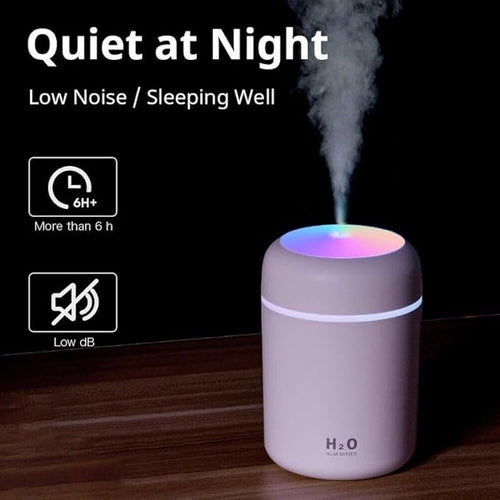 Boond · smaller rooms₹899Shop →
Dose, placement, and the humidity question answered honestly
Start low. In a room with jute or sisal underfoot, cotton or linen at the windows, cane or rattan seating and a wool throw or two, run 2 to 3 drops in a Sukoon — not the 3 to 4 you would use in an average room, and nothing like the 5 to 6 a marble flat needs. Those fibres are storing fragrance and handing it back for hours after the machine stops, so the dose compounds across an evening. For a small room, a Boond (₹899, up to 150 sq ft) at two drops is usually enough.
Placement matters more here than in most interiors because so many of the surfaces are unsealed. Do not stand the diffuser directly on raw mango wood, an untreated teak table, an unglazed terracotta top or a jute mat — ultrasonic mist is water, and water on unfinished timber raises the grain and leaves a mark you cannot polish out. Use a ceramic saucer, a slate coaster or a small metal tray. Keep it about a metre up, a clear foot around it, and out of the direct throw of a fan or an AC. Do not aim it at a cane screen or a linen curtain either — repeated damp is how natural fibre picks up a musty smell.
And the honest caution, because this sub-cluster is where it genuinely applies: an ultrasonic diffuser adds moisture to the air, and natural fibres respond to moisture. In a dry Delhi winter or an air-conditioned flat that is a small bonus. In a coastal monsoon it is a real consideration — jute, sisal and rattan smell noticeably stronger when damp, and adding mist to an already humid room makes the room's own odour louder as well as your fragrance. It is not a reason to avoid an ultrasonic. It is a reason to run shorter sessions in July and August, keep a window or exhaust going, and drop to one or two drops until the weather turns. The waterless Vaayu (₹11,999) adds no moisture at all, but it runs neat oil and cannot use the water-based Hotel Collection.
What to buy
The fragrance is the decision and the machine is only sizing. An earthy living room is usually one Sukoon at a low dose; a compact earthy bedroom is a Boond at two drops.
| Buy | What it is | Why here | Price |
|---|---|---|---|
| Test first ★ | Three 15ml testers — Forest Suite, Warm Welcome, Tea Garden | The only reliable way to judge a scent against your own jute and clay | 3 × ₹299 = ₹897 |
| The machine | Sukoon 500ml — 270–320 sq ft, remote, timers, 3 × 15ml included | One per earthy living room, run at 2–3 drops | ₹1,899 |
| Smaller rooms | Boond 300ml — up to 150 sq ft | A cane-furnished bedroom, a reading corner, a veranda nook | ₹899 |
| Try everything | Pack of 7 — all seven scents in 15ml | A whole-home natural scheme, or genuine indecision | ₹1,799 |
| The one you keep | 300ml of your winner (~₹6/ml), or 100ml at ₹999 | Many months of running at two or three drops | ₹1,799 |
Versailles
The first thing I do in a client's home is ask everyone to leave the room and then stand in it alone for a few minutes. In a house full of natural materials this is never wasted. There is always something there — the rug, the cane, the pots, whatever the timber is doing quietly in the heat.
What people get wrong is treating that as a problem to be masked. It is not. It is the most valuable thing you have, because it is the one part of the room's smell that cannot be bought. You are joining an accord, not starting one, and the moment you think of it that way the choice narrows to two or three scents rather than seven.
So: smell the empty room first, choose the scent that continues it, start at two drops, and buy a 15ml at ₹299 before anything larger — your jute will settle the argument faster than I can. A portion of it funds a girl's classroom through Nanhi Kali.
Frequently asked questions
- Best fragrance for natural material interiors — plant fibres and the garden register.
- Best home fragrance for terracotta interiors — clay is warm, and dry-mineral, and specific.
- Best fragrance for rattan, linen and wood — the case for contrast instead.
- The complete earthy and natural guide — every room, every material, one place.
- Brand: the SOSA founder story.
SOSA products & prices (verified August 2026): Hotel Collection water-based ultrasonic diffuser fragrance 15ml ₹299 · 100ml ₹999 · 300ml ₹1,799 · Pack of 7 (15ml, all fragrances) ₹1,799; refills 100ml from ₹999. Seven scents: The Ritz-Carlton-inspired (white tea · bergamot · cedar), Westin-inspired (white tea · aloe · cedar), 1 Hotels-inspired (cedarwood · vetiver · green leaves), The St. Regis-inspired (amber · violet · woods), Shangri-La-inspired (jasmine · green tea · white tea), Four Seasons-inspired (citrus · floral · sandalwood), W Hotels-inspired (citrus · pepper · amber). Diffusers: Boond 300ml ₹899 · Sukoon 500ml ₹1,899 · Megh 6L ₹3,499. Water-based, phthalate-free, composed to IFRA standards for home diffusion; 3–6 drops per tank. Made in India, Pune. The Hotel Collection scents are SOSA's own interpretations inspired by the world's finest hotels; all hotel names are trademarks of their respective owners and are used only to describe the scent style — SOSA is an independent Indian fragrance house, not affiliated with or endorsed by any hotel brand. Prices and availability subject to change — see the live product pages.