
 Needs a machine ₹299
 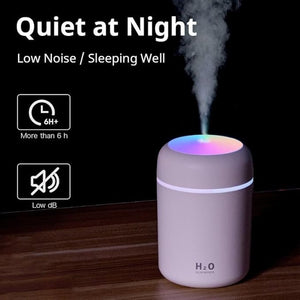 The complete pair ₹899
  Plain box test ₹799
  The weight test ₹699
 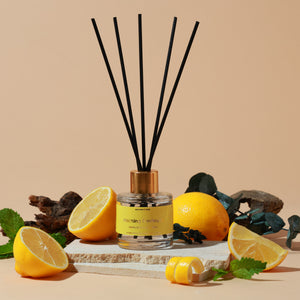 Also plain ₹749
The picks that clear all eight: the Adaa attar 3ml at ₹379 and the Ameeri attar 3ml at ₹385 — small, heavy for their size, traditional, and quiet at the opening rather than loud.
The two fixes that cost nothing: check the base of the box before it leaves your hands, and write one line on the card saying why you picked it. Neither costs a rupee and both undo more damage than any amount of extra spending.
2. Four of the eight are about the object before it is even opened. A price sticker left on the base. The identical gift handed to everyone from one visible bag. A box that is obviously last year's, re-gifted. Packaging with a discount flash, several fonts and a fistful of shred where plain stock would have read calmer and, counter-intuitively, more expensive.
3. Two are about what is actually inside. A scent built to hit hard on opening and vanish within the hour, because that is what sells off a shelf rather than what survives an evening — this is the single biggest reason a ₹379 attar can outlast a much bigger, louder product. And anything hollow: a large light box with a small thing rattling inside it, which is the textbook cheap-gift shape a small, heavy bottle never has.
4. One is about completeness. Wax melts for someone with no burner, a fragrance for a machine the recipient does not own — handed over at Diwali, where the gift is usually opened in front of you, the gap is visible immediately and there is nowhere for it to hide.
5. The last one is the commonest, and the least about money. A gift that could have gone to anyone. It costs nothing to fix — one line on the card naming why you chose it — and it is the tell people notice even when every other box has been ticked.
Alcohol-free, IFRA-compliant, composed by an ISIPCA Versailles-trained perfumer and handmade in small batches in Pune — and every purchase funds a girl's education through Nanhi Kali.
Why the fear is precise, and answering it precisely matters
Diwali is a volume festival. Most households in the country receive a run of gifts across a single week, and most of those gifts, historically, have been edible and interchangeable — a box of mithai here, a tin of dry fruit there, arriving faster than any one household can eat them. That saturation is not a complaint about the tradition; mithai at Diwali is a lovely thing and always will be. It simply means a non-food gift is being handed over into a room that has already seen several boxes that week, opened by people who are, whether they intend to be or not, comparing. A Diwali gift is not judged in isolation. It is judged next to whatever else arrived that hour, and that is precisely the condition under which small, avoidable tells get noticed and remembered — far more than under-spending ever does.
This is worth separating from a nearby but different anxiety, because the fix is different depending on which one you actually have. Wanting to impress is about the gift exceeding expectations. Fearing embarrassment is about the gift not undermining itself — not being caught with a sticker still on, not being the fourth identical candle handed out from one bag that evening, not arriving with an obvious hole where a burner should be. Almost nobody buying at ₹500 has the first problem, because ₹500 was never going to exceed anyone's expectations and both sides know it. Nearly everyone buying at ₹500 has the second one, and the second one is entirely solvable, because every item on the list below is something you can check, fix or avoid before the gift ever leaves your hands.
Which is the useful discovery underneath this whole guide: cheap and inexpensive are not the same word, and the eight things below are what separates them. Inexpensive describes what something cost you. Cheap describes what it looks like it cost, which is a property of the packaging, the story and the state of the object — not the receipt. A ₹379 attar chosen because you know she wears rose is inexpensive and does not look cheap. A ₹1,200 hamper bought because it was the last thing on the shelf at 8pm on Choti Diwali very often does, whatever it cost. This piece is a diagnosis of the difference, tell by tell.
The three decisions that keep a ₹500 gift from tipping into cheap
 Plain box, no shredthe testThe price sticker is the single fastest way to undo a gift. It is usually left on the base, or the underside of a lid, and it is usually found by a relative rather than the recipient — which is worse, because now the whole room knows what everyone else at the table also cost. Check the base before it leaves the house, every time, with no exceptions. Bulk-buy uniformity is next: giving the identical thing to eleven people in one evening, visibly, out of one carrier bag, is a checklist, not a gift, and Diwali is exactly the setting where several recipients compare notes within the hour. If you are buying at volume, hand items over separately across the week rather than in one visible pass, or vary the scent within a range so each one reads as a small, separate decision. An obviously re-gifted item is endemic at Diwali specifically and everyone has learned to spot it — a slightly scuffed box, last year's festive packaging still printed on the sleeve, a hamper missing the one piece someone clearly already ate. Packaging that shouts — a discount flash still on the box, three or four fonts fighting each other, cellophane and coloured shred spilling out — reads like a clearance rack, which is the opposite of what it is going for. Plain stock, oddly, reads more expensive than festive clutter, and that is worth stating clearly because it runs against instinct specifically at Diwali, when the temptation is to add more, not less.
The eight tells, matrixed
Seven of the eight below have a cost attached to fixing them, and six of those seven cost nothing at all — which is the real headline of this table. The eighth, an obviously re-gifted item, has no line here because its only real fix is upstream of the purchase: buy with the intention of giving, not the intention of clearing a shelf.
| Tell | Why it reads cheap | The fix | Cost to fix |
|---|---|---|---|
| The price sticker | Proof of exact spend, found by a relative — the fastest way to undo any gift | Check the base of the box and the underside of the lid before it leaves your hands | ₹0 |
| Bulk-buy uniformity | Eleven identical items from one bag reads as a checklist, not a decision | Hand over separately across the week, or vary the scent within a range | ₹0 |
| Packaging that shouts | Discount flashes, several fonts, cellophane and shred borrow clearance-rack grammar | Choose plain stock — it reads calmer and, counter-intuitively, costlier | ₹0 |
| Anything hollow | A large, light box with a small thing inside is the textbook cheap-gift shape | Match the container to the content — a small format in a properly sized box | often less |
| A scent that vanishes fast | Over-dosed top notes hit hard on opening, then say nothing for the rest of the evening | Buy for the base, not the opening — attar and a well-built candle both hold | ₹0 extra |
| An incomplete gift | Wax melts with no burner, a fragrance with no machine — the gap shows immediately | Confirm ownership first, or default to a self-contained format | ₹0 to ask · up to ₹569 to supply the missing half |
| No evidence of choice | Could have gone to anyone in the room — and often looks like it did | One line on the card naming why you chose it | ₹0 |
| Note on the eighth tell: an obviously re-gifted item — a scuffed box, last year's festive sleeve, a hamper with a piece already missing — has no fix at this stage. It has to be avoided upstream, by buying with the recipient in mind rather than reaching for whatever is already in the cupboard. | |||
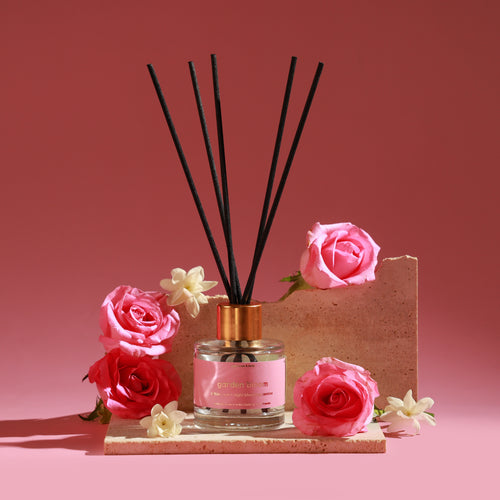 Plain box · no discount flash₹799Shop →
 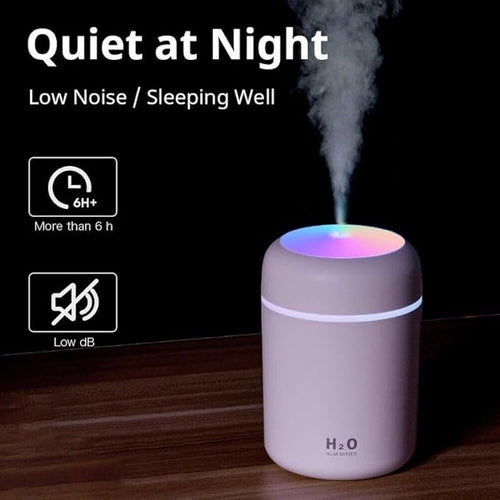 The machine, not just the fragrance₹899Shop →
  Real weight in the hand₹699Shop →
Presentation, timing and the etiquette specific to Diwali
The base-of-the-box check takes four seconds and should happen at home, not in the car outside the relative's flat, because that is when it gets forgotten. Peel the sticker, check the lid, check the inside of a candle tin's cardboard sleeve — some price labels sit there rather than on the vessel itself. Do this for every item in a bulk run, not just the first one, because it is astonishingly easy to check the sample and miss the rest.
If you are buying for several people at once, the fix for bulk-buy uniformity is logistics, not extra spending. Buy the same attar or candle for everyone if the budget only stretches to one item, but split the pile into two or three scents rather than one, and hand items over on different days or at different points in the evening rather than all at once from a single bag by the door. A gift that arrives on its own, at its own moment, reads as a decision about that person specifically, even when the underlying purchase was made in bulk and at speed. Nobody needs to know how the shopping happened; they only ever see the handover.
On completeness: at Diwali the gift is very often opened while you are still standing there, which is different from a courier drop-off opened alone a day later. That single fact is the whole argument for defaulting to something self-contained — an attar, a solid perfume, a candle that needs nothing else to work — unless you have actually confirmed the recipient owns the burner or the machine your gift depends on. Diyas, lamps and small flames are the festival's own symbolism, which is a genuine, quiet advantage a scented candle carries that a wax melt without a confirmed burner does not: light itself is doing cultural work here, not just fragrance. And the card note costs nothing and does more per rupee than anything else in this guide — one sentence naming why, not a generic "Happy Diwali" printed on a tag that came with the box.
The costed shortlist — five routes that pass every tell
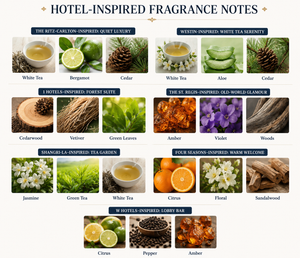
Every route below is a single item at its listed price, chosen specifically because it clears all eight tells rather than because it is the cheapest thing available. Two are attars, one is a solid perfume, one is a scented candle, and one is a wax-melt route that only belongs on this list once you have actually confirmed a burner.
| Route | What you get | Passes because | Total |
|---|---|---|---|
| The pick ★ | Adaa attar 3ml, bergamot · cardamom · jasmine sambac | Small, heavy, alcohol-free, holds through the evening rather than fading in an hour | ₹379 |
| The traditional register | Ameeri attar 3ml, Taif rose · Indian sandalwood | Rose and sandalwood carry inherited festive context; the safer, wider-audience pick of the two | ₹385 |
| The tin route | Sway solid perfume 15g | Metal tin, real weight in hand, no bottle to be found hollow | ₹459 |
| Light, not hollow | Cozy Corner scented candle, ~15–18 hrs | Light is the festival's own symbolism, and the burn time is honest for the size of the object | ₹379 |
| Only with a burner confirmed | Cinnamon Roll wax melts, several pieces | Genuine weight of wax for the price, but only once you have asked the one question | ₹474 |
Versailles
I wrote the premium version of this guide first — what actually reads expensive under ₹500 — and I noticed while writing it that I kept circling back to the same handful of warnings: check the base, avoid the machine that needs an accessory, keep the packaging plain. This piece is those warnings, taken out and given the space they deserved, because I think the fear underneath a ₹500 Diwali gift is not "will this impress" so much as "will this embarrass me," and those are different questions with different answers.
The honest news is that seven of the eight things that make a gift look cheap cost nothing at all to avoid. Checking a box takes four seconds. Writing one true sentence on a card takes a minute. Choosing plain packaging over shouting packaging is, if anything, less effort, not more. The only real trap in the whole list is the incomplete gift — the wax melts without the burner, the fragrance without the machine — and even that one is solved by a single question asked before you buy, not by spending more.
Cheap and inexpensive are different words, and only one of them is ever visible in the room. A ₹385 attar chosen because you know she wears rose does not look cheap, whatever it cost. A ₹1,200 hamper bought because it was the last one on the shelf very often does. That is the whole guide, really, said one more way. Every purchase, at every budget, funds a girl's education through Nanhi Kali — not a percentage, not a quarterly cheque. Every one.
Frequently asked questions
- Best Diwali gifts under ₹500 — the picks list this diagnosis builds on.
- Best Diwali gifts under ₹500 for colleagues — the same ceiling, for the audience that compares hardest.
- Best small luxury Diwali gifts under ₹500 — the same ceiling, aimed at "treat" rather than "avoid."
- Best non-food Diwali gifts under ₹500 — for stepping outside the mithai run entirely.
- Brand: the SOSA founder story.
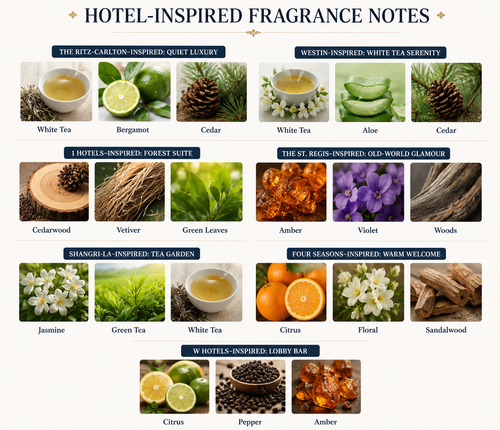
SOSA products & prices (verified August 2026): Attars (100% oil, alcohol-free roll-on) 3ml ₹379–₹399 · 6ml ₹669–₹699 · 12ml ₹1,149–₹1,199; pack of three 3ml ₹1,055. Solid body perfumes 15g ₹459–₹549. Eau de parfum 10ml ₹499–₹599 · 50ml ₹1,799–₹1,899 · 100ml ₹3,499–₹3,599. Scented candles from ₹379 (~15–18 hrs), duos ₹664 (~30–36 hrs), Amber Rose 130g ₹599 / 220g ₹799, woodenwick and ceramic jar ₹949; wax melts ₹474; Kapoor Dani lamp and taper candles ₹569. Reed diffusers: Morning Freshness 50ml ₹749 · 130ml ₹1,249 · Evening Calm and Garden Bloom 50ml ₹799 · 130ml ₹1,299 · Fresh Brew and Mountain Breeze 50ml ₹849 · 130ml ₹1,349; six fibre reeds and refillable glass with every bottle; 50ml lasts 6–8 weeks, 130ml 14–18 weeks. Reed duo sets 2 × 50ml ₹1,498–₹1,598 · 2 × 130ml ₹2,498–₹2,598; refills 300ml ₹2,399 · 500ml ₹3,499. Ultrasonic diffusers Boond ₹899 · Sukoon ₹1,899 (ships with three 15ml fragrances) · Megh ₹3,499; Safar car diffuser ₹3,999; hanging car perfumes ₹449–₹509. Hotel Collection water-based fragrance 15ml ₹299 · 100ml ₹999 · 300ml ₹1,799 — a fragrance for a machine, not a standalone gift, and not interchangeable with reed oil. Alcohol-free, phthalate-free, paraben-free, IFRA-compliant; composed and handmade in small batches in Pune. Eau de parfum names are SOSA's own interpretations inspired by well-known fragrances; SOSA is independent and not affiliated with those houses. Every purchase funds a girl's education through Nanhi Kali. Prices and availability subject to change — see the live product pages.