
What's the run cost? Refills from ₹999 — a few hundred to a thousand-odd rupees a month per zone.
How does it pay back? Against treatment margin, over months — a few extra bookings or retail sales, not an overnight return.
2. The run cost is modest. Only the fragrance recurs: refills from ₹999, a few hundred rupees a month per zone.
3. The cost-per-day falls. Buy the hardware once and every additional day it runs makes it cheaper.
4. It scales efficiently. HVAC scents a whole centre from one system — cheaper per square foot than many room units.
5. It gives back. A portion of every order supports girl-child education through Nanhi Kali.
Setup cost vs treatment margin
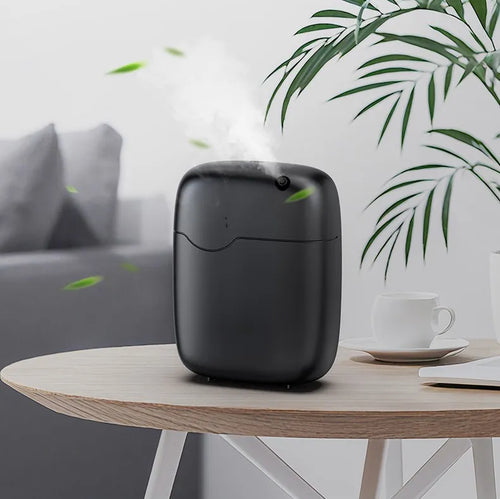
Start with the number that matters most: the setup is a one-time capital cost, and it is small against the value it sits inside. A front-of-house system is a Vaayu at ₹11,999, or a Sukoon at ₹1,799 for a compact lobby, with a starting fragrance from ₹299. Set that beside the margin on a single premium treatment and the comparison does the arguing for you: the entire reception scent system often costs less than the profit on a handful of appointments.
The reason luxury spas treat this as an obvious investment is that it is a fixed cost, not a variable one. It does not scale with the number of guests. Whether ten people or a hundred walk through reception on a given day, the diffuser cost is identical — which means the more business you do, the less that fixed cost weighs per guest. Frame it as capital expenditure against margin, never as an expense against a single day's takings, and the decision usually resolves itself.
The monthly run cost
After the hardware, the only recurring cost is fragrance. Hotel Collection refills start at ₹999, and for a single front-of-house zone you are typically spending somewhere between a few hundred and a thousand-odd rupees a month, depending on how many hours you run and how large the space is. A waterless Vaayu (₹11,999) is deliberately frugal with oil, and its app timer means it runs only during opening hours rather than misting into an empty building overnight — which is where careless setups quietly waste money.
Put that monthly figure next to the other line items a spa carries — linen, laundry, music licensing, the flowers at reception — and scent is almost always the smallest of them, while touching every single guest. That ratio, high reach for low recurring cost, is the quiet reason it earns its place on the budget.
| Line | Illustrative figure |
|---|---|
| Hardware (one-time) | Vaayu ₹11,999 — a single capital cost |
| Fragrance (recurring) | Refills from ₹999/month per zone |
| Hardware spread over 3 years | Roughly ₹11 a day, then nothing once amortised |
| Small-lobby alternative | Sukoon ₹1,799 one-time + scent from ₹299 |
Figures are illustrative, not a promise; your run hours, space and fragrance choice will move them.
Honest payback maths
Here is where I part company with the harder sell. I cannot tell you a signature scent pays for itself in a fixed number of weeks, because the honest answer is that it depends on your margins and how well your team already converts a browsing guest into a booking or a retail sale. The effect of scent is real but moderate — a gentle improvement in the odds — so the payback comes from a few additional treatments or retail purchases spread across months, not from a sudden jump you could point to on a Tuesday.
But run the arithmetic in that honest frame and it is still comfortable. If a ₹11,999 Vaayu and a year of refills together cost roughly the margin on a small handful of premium treatments, then the system only has to nudge a handful of extra bookings or retail sales across a whole year to have paid for itself — after which every subsequent year is running-cost only. For a spa doing real volume, clearing that bar is not a heroic assumption. That asymmetry — small, certain cost against a modest, likely return — is exactly why the investment is easy to justify without overclaiming.
SOSA Vaayu · reception₹11,999Shop → 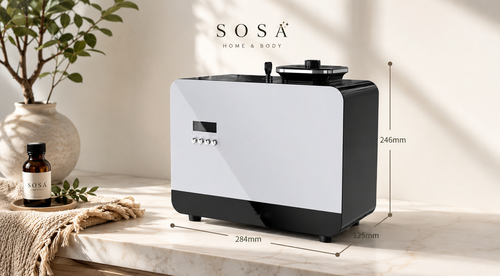 SOSA Aangan · whole centre₹25,999Shop →
 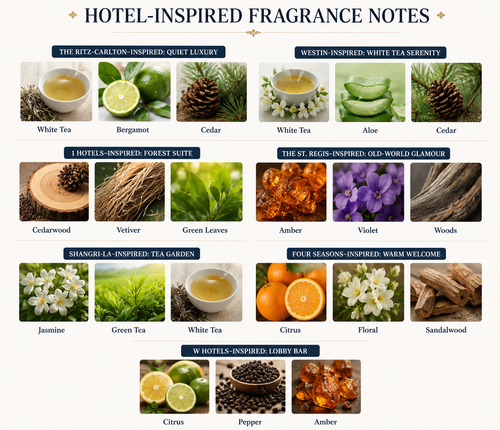 Refills · the run costfrom ₹999Shop →
The economics of scale
The maths changes shape as the footprint grows, and in the spa's favour. Scenting a large wellness centre by dotting ultrasonic units through every room is not only fiddly to manage, it is often more expensive in total than doing it properly through the air handling. An Aangan at ₹25,999 carries one signature across 8,000–10,000 sq ft from a single unit; a Meenar at ₹38,500 covers 12,000–18,000 sq ft for a flagship property. Divide either price by the square footage it serves and the cost per unit of space is low, with the added benefit of one consistent signature everywhere instead of a patchwork.
This is why large luxury properties almost always go the HVAC route once they cross a certain size. It is the cheaper answer per square foot, the tidier one to run, and the only one that guarantees the guest smells the same brand in reception, corridor and treatment wing. The wet areas stay on their own clean zone, as they should.
The SOSA commercial edit
Buy the hardware to fit the space, then run it lean on the app timer. Front-of-house first, HVAC when the footprint justifies it — the range is priced so the maths stays gentle at every size.
| System | Best for | Why it works | Price |
|---|---|---|---|
| Boond (300ml) | Treatment rooms, retail corners | Lowest entry cost per room | ₹799 |
| Sukoon (500ml) + Hotel Collection | Small reception, tight budgets | Front-of-house signature for under two thousand rupees | ₹1,799 |
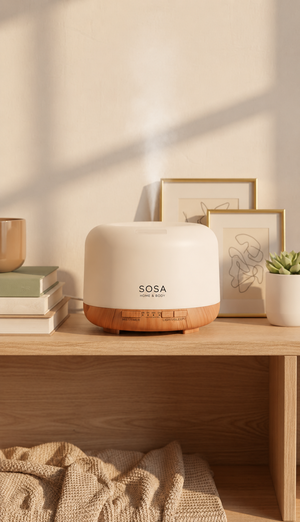
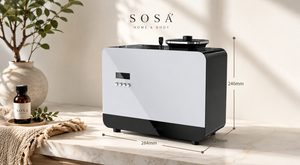
| SOSA Vaayu ★ | Full reception and lounge | The standard buy — waterless, frugal, app-timed | ₹11,999 |
| SOSA Aangan | Whole centres via ducting | HVAC, 8,000–10,000 sq ft — low cost per square foot | ₹25,999 |
| Hotel Collection refills | The only recurring cost | 100ml / 300ml, a few hundred rupees a month per zone | from ₹999 |
Versailles
Owners often expect me to defend the price. In practice, the price defends itself — it is the promises around it I would rather keep modest. I will happily tell you what a system costs to the rupee; I will not tell you it doubles your revenue, because it does not.
What it does is turn a small, certain outlay into a small, likely advantage that runs for years and gets cheaper every day. For a spa that already does good work, that is one of the simplest investment decisions on the whole balance sheet.
We build these systems from Pune, and the return is shared: your spa buys an asset; a girl buys a future.
Frequently asked questions
- The Business Benefits of Spa Scent Marketing — what the investment actually moves.
- Cost of Fragrancing Spa Reception Areas — the reception-only cost breakdown.
- SOSA Vaayu (₹11,999) — the standard buy, and the Aangan (₹25,999) for scale.
- Brand: the SOSA founder story.
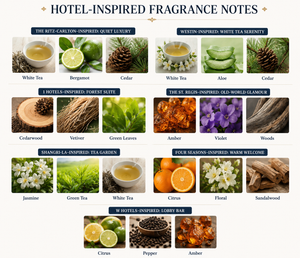
Facts verified August 2026: the commercial return behind scent investment is real but moderate; congruence between scent and service matters more than intensity; there is no benefit on unclean or poorly ventilated premises. SOSA system specifications and prices as stated — Vaayu ₹11,999, Sukoon ₹1,799, Boond ₹799, Megh ₹3,499, Aangan ₹25,999, Meenar ₹38,500, Hotel Collection from ₹299, refills from ₹999. The Hotel Collection scents are SOSA's own interpretations inspired by the world's finest hotels; SOSA is an independent Indian fragrance house, not affiliated with or endorsed by any hotel brand. Prices subject to change.