



In a clinic, scent is a silent reassurance — not a brand flourish. A clean, gentle signature run very low in the waiting area softens the disinfectant edge that puts nervous patients on guard. It is the most restrained scenting job there is, and the caveats matter more than anywhere else.
Waiting area only. Scent the reception and waiting room; never consulting or procedure rooms, where patients are examined and sensitivities matter most.
Clean and reassuring, very low. A soft, fresh cast that reads "clean", not a spa fragrance. Hygiene and ventilation come first, every time.
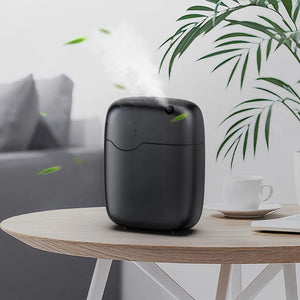
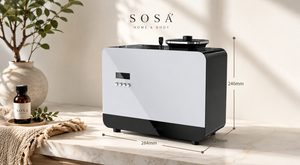
Waterless suits a clinic. A SOSA Vaayu on a low setting adds nothing to the air but a faint scent; a Sukoon suits a small front desk.
The smell of a clinic does real work on a patient's nerves, and most of it is the wrong kind. That sharp disinfectant note — the one that says "hospital" before you have seen a soul — quietly raises the anxiety of people who are already worried. A waiting room that instead reads simply clean and calm is a small kindness with a measurable effect on how at-ease a patient feels. But a clinic is also the setting where I am most cautious, and I turn away as many enquiries as I take. The rules here are stricter, and getting them wrong does harm rather than nothing.
1. Hygiene and ventilation first — non-negotiable. A clinical space must be genuinely clean and well aired. Scent is a finishing layer over clean air, never a cover for anything.
2. Waiting area only. Reception and the waiting room. Keep consulting rooms, procedure rooms and wards completely unscented.
3. Choose clean and reassuring. A soft, fresh, neutral cast that reads "clean" — not sweet, not heavy, not obviously perfumed.
4. Run it very low. Your patients include the unwell, the pregnant and the scent-sensitive. Set it so most people register only that the room feels clean.
5. Be ready to pause it. If any patient is troubled by the scent, lower or switch it off. Their comfort outranks the ambience, always.
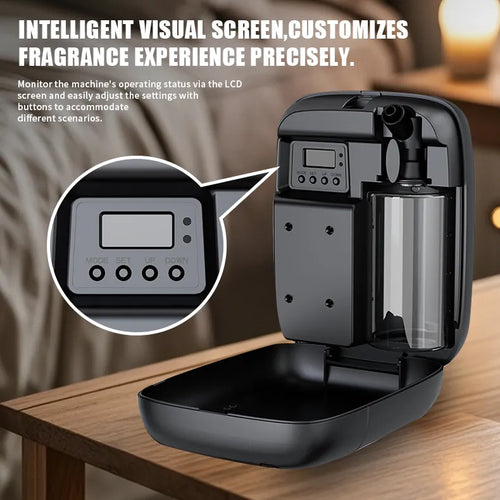
This is exactly why a waterless system suits a clinic so well. An ultrasonic mist diffuser adds humidity, and a clinical space is the last place you want damp settling into corners or added moisture near equipment. A waterless nebulising machine like Vaayu releases scent as a dry cold-air mist — nothing but the faint fragrance enters the air. It is also near-silent, which matters in a quiet waiting room, and it can be scheduled to run only during clinic hours and switch itself off afterwards, so the front desk never has to think about it.
| Your clinic | System | Why |
|---|---|---|
| Small single-desk practice | Sukoon · ₹1,799 | A soft, low presence at the front desk; keep it on the lowest output. |
| Clinic reception & waiting room | SOSA Vaayu · ₹11,999 | Waterless, under 38 dB, scheduled to clinic hours; adds no humidity, run low. |
| Large clinic or hospital lobby | Aangan HVAC · ₹25,999 | Ducted through the public lobby only, 8,000–10,000 sq ft, kept gentle. |
| Hospital atrium or large foyer | Meenar HVAC · ₹38,500 | The largest ducted system, for 12,000–18,000 sq ft public areas. |
The honest caveat carries more weight here than in any shop or salon: scent must never, ever stand in for hygiene in a clinical space. If a waiting room smells of anything but clean, that is a cleaning and ventilation problem to solve directly, not to perfume over. A gentle signature crowns a clinic that is genuinely spotless and well aired; used to mask, it is worse than useless. Keep it low, keep it to the waiting area, keep the patient's comfort above the ambience — and it becomes a quiet, decent kindness at the door.
- Commercial Scent Marketing: The Business Guide — the complete pillar
- Scent Marketing for Spas & Wellness Centres — the calm-signature sibling
- Scent Marketing for Offices & Corporate Spaces — low and focus-friendly
- Scent Marketing for Salons — a signature at reception
- Shop all home & commercial scenting