


The worst single action: a wet pair put into a closed cabinet. It raises the humidity for every other pair inside, so one bad decision affects the whole box.
Plus a perception effect: humid air makes the same concentration of odour read stronger. The monsoon both increases the smell and increases how much of it you notice.
2. Because the air has stopped drying anything. Evaporation depends on the difference between the moisture in the material and the moisture already in the surrounding air. When the outside air is close to saturated, that difference collapses and drying almost stops. This is the same reason washing hung indoors in July stays damp for two days. Your shoes are subject to exactly the same physics, and a closed cabinet is a small pocket of air that reaches saturation faster than the room does.
3. Because one wet pair raises the humidity for all of them. This is the part people miss and it is why the monsoon problem escalates so quickly. A shoe cabinet holds a small volume of air shared by everything inside it. Put one genuinely wet pair in and the water evaporating out of it raises the humidity of that whole shared volume, which slows the drying of every other pair in the box. One wet pair makes six pairs damp. That is the single most expensive habit in this article and it takes no effort at all to stop.
4. Because humid air also makes you smell more of it. Higher humidity raises perceived odour intensity. So the monsoon is doing two separate things: it is increasing the amount of short-chain fatty acid being produced, and it is increasing how strongly your nose registers whatever is produced. Both effects arrive together, which is why the change between May and July feels so much larger than a doubling.
5. And this is a drying problem before it is a fragrance one. Fragrance adds pleasant molecules; it removes nothing at all. Laid over a wet cabinet in the monsoon it gives your visitors both smells at once. Fix the routine first — then a reed diffuser from ₹749 gives the hall a settled character, and it happens to work slightly harder in warm weather because evaporation from the reeds rises with temperature.
Made in India, composed by an ISIPCA Versailles-trained perfumer — and a portion of every order supports girl-child education through Nanhi Kali.
Why moisture is the whole story
Shoe odour is a biological process rather than a matter of cleanliness, and biological processes have rate limits. Skin bacteria feed on the fatty and amino components of foot sweat and excrete short-chain fatty acids — isovaleric acid above all, which is the sour, cheesy note. That process needs four things: warmth, darkness, a food supply and water. Inside a shoe you cannot change the warmth, the darkness or the food. Water is the only variable available to you, and in the monsoon it is the one variable that is suddenly unlimited. This is exactly why the same shoes, the same feet and the same cabinet produce a completely different entrance in February and in July.
There is a second, purely physical reason the season feels so extreme, and it is about drying rather than growing. Evaporation is driven by the moisture gradient between a wet material and the air around it. When ambient humidity is high that gradient shrinks and the drying rate falls away sharply — which is why monsoon laundry takes days and why a leather shoe that would be dry by morning in March is still damp two days later in July. Now put that shoe in a closed cabinet, where the small enclosed volume of air reaches saturation far faster than a room does, and drying effectively stops altogether. The cabinet is not storing the shoe. It is preserving it wet. Every sensible monsoon adjustment below is a way of restoring that gradient.
Three monsoon inputs, and what to do about each
 Step fourFrom ₹749Shoes come off outside the cabinet, always, from June to September. Wipe the outside down. Pull the insoles out and stand them separately. Stuff the shoe loosely with newspaper — it wicks water out of the lining and footbed far faster than air alone, and changing the paper once after an hour makes a real difference. Stand the pair in moving air: a fan on low is worth more than a closed balcony. Do not dry leather near direct heat — a heater or hot sun will dry the surface faster than the core, and the leather cracks. Slow, moving, ambient air is what you want.
Symptom to cause: monsoon entrance
The important distinction in this table is sour against earthy. Sour is shoes and is fixable with a routine. Earthy is mould and is a different problem entirely.
| What you notice | Most likely cause | How to confirm it | What actually fixes it |
|---|---|---|---|
| Sour, cheesy smell far stronger than in dry months ★ | Moisture is no longer limiting the bacteria producing short-chain fatty acids | Compare the same cabinet and the same pairs in a dry week | Dry outside the cabinet, insoles out, newspaper, rotation — never store a damp shoe |
| The whole cabinet smells even though only one pair got wet | One wet pair raised the humidity of the shared volume and stopped everything else drying | Take out the wet pair, air the box for a day, and see how much drops | Keep wet footwear entirely outside the cabinet until it is dry through |
| Earthy, damp, mushroom-like smell rather than sour | Mould — on shoes, leather, the board or the wall behind. A health issue, not an odour | Look for grey-green bloom on leather uppers and inside the toe box, and behind the unit | Remove the growth, find the moisture source, ventilate. Fragrance has no place here. |
| Bottom shelf far worse than the top | Damp rising from a mopped floor and standing water at the plinth | Leave a sheet of paper on the bottom shelf overnight and check it for limpness in the morning | Raise the unit on feet, mop around not under it, keep the bottom shelf for dry open footwear |
| Leather shoes have gone stiff, cracked or blotchy as well as smelly | Dried too fast near heat, or left wet too long | Look at the flex points across the vamp for surface cracking | Dry slowly in moving ambient air with newspaper inside; condition the leather afterwards |
| Smell is worse on humid days even when nothing has changed | Humidity raises perceived odour intensity as well as production | Note the smell on a genuinely dry day with the same shoes in place | Accept part of it as perception; work on the drying routine for the rest |
| If none of these fit: check the umbrella. A wet umbrella stood inside the cabinet or in a closed corner of the hall is a common and completely overlooked monsoon odour source. | |||
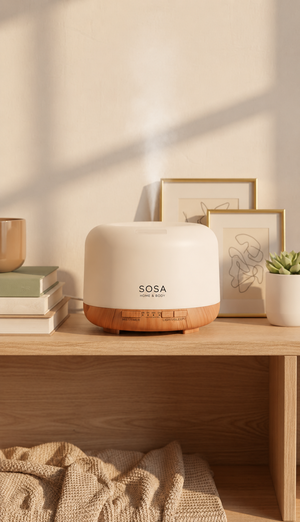
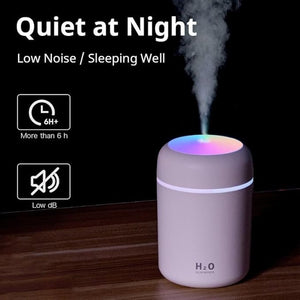
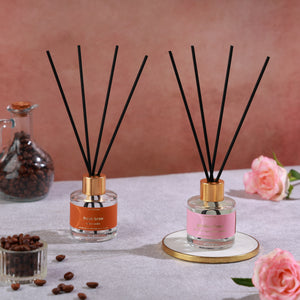
Reeds · always-on roomsFrom ₹749Shop → 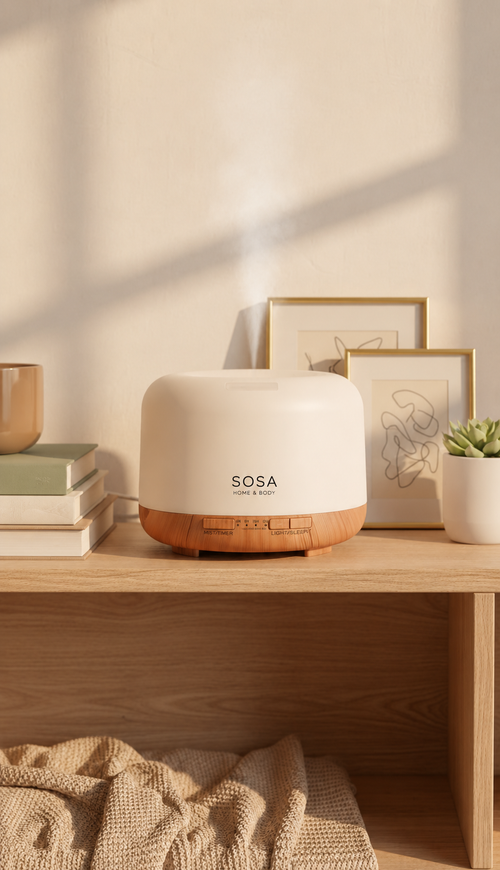 Sukoon · when you want a switch₹1,899Shop →
  Hotel Collection · the scentFrom ₹299Shop →
The monsoon routine
At the door, every evening from June to September. Shoes come off and stay outside the cabinet. Wipe the uppers, pull the insoles and stand them separately, stuff the shoes loosely with newspaper and change it once after an hour if they were soaked. Stand everything where air moves — a fan on low beats a still balcony. Keep a dedicated monsoon pair: washable, open, quick-drying footwear that you can rinse and that will actually be dry by morning. Nothing goes into the cabinet on the day it was worn, and a genuinely wet pair may need two days out, which is fine.
Once a season, and whenever there is a dry spell. Empty the cabinet entirely, wash the interior with a mild detergent solution, bin the felt shelf liners, and leave it open until the board is dry through. Check every leather upper for the beginnings of mould, especially inside the toe box and along the welt — grey-green bloom is not shoe odour and needs cleaning off outdoors and the shoe drying properly rather than a fragrance. Use every dry break in the weather: open the cabinet, open two windows on opposite sides of the flat, and give the entrance five to ten minutes of real cross-draught rather than treating it as the one room that never gets aired.
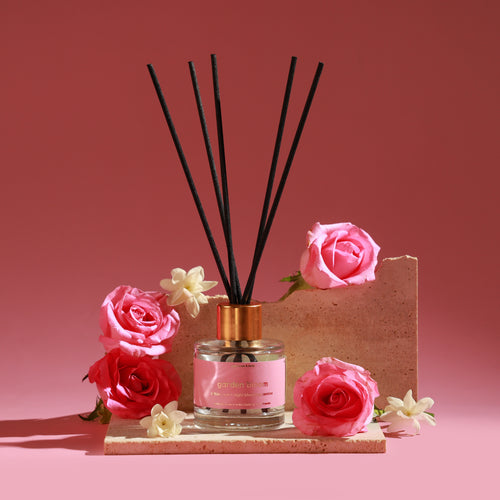
Then, once the entrance is honestly clear, scent it. The monsoon is actually a good season for a reed diffuser, for two practical reasons: it needs no electricity in a month of power cuts, and evaporation from the reeds rises slightly with warmth, so throw holds up. A reed diffuser at 50ml from ₹749 runs 6–8 weeks, roughly one monsoon; 130ml from ₹1,249 runs 14–18. Six reeds for a normal hall, and pull one or two out if it reads loud — the reed count is the volume dial. For profile, dry and green rather than sweet: Mountain Breeze at ₹849 sits well against a damp season, and Morning Freshness at ₹749 is the cooler alternative. If your entrance opens straight into a large living room, the Sukoon at ₹1,899 with a water-based Hotel Collection scent from ₹299 covers roughly 270–320 sq ft on a switch — but it adds humidity to the air, which is worth thinking about in a wet month. The two liquids are not interchangeable.
What to do, in order
This is a seasonal routine rather than a purchase. The routine is where the smell goes; the fourth step is what the hall smells of afterwards.
| Step | What to do | When | Cost |
|---|---|---|---|
| 1. Remove the source | Shoes dried outside the cabinet with insoles out and newspaper inside; a washable open monsoon pair kept aside | Before anything else | ₹0 |
| 2. Move the air | Open the cabinet and cross-ventilate the entrance in every dry break in the weather, five to ten minutes | Daily, five to ten minutes | ₹0 |
| 3. Deal with what holds it | Vent rows on the doors, unit off the wall, felt liners binned, interior washed once a season, nothing stored damp | Weekly to monthly | ₹0 |
| 4. Then the always-on layer ★ | A SOSA reed diffuser — a hall background that needs no electricity in a month of power cuts — 50ml runs roughly one monsoon | 50ml 6-8 weeks · 130ml 14-18 | from ₹749 |
| 5. Or the on-demand layer | Sukoon with a Hotel Collection scent — a pre-arrival scent for an entrance that opens into a large living room, bearing in mind it adds humidity | Run it when you want it | ₹1,899 |
Versailles
Every year from about the second week of June I get the same messages, and they all describe the same thing: an entrance that was fine in April and is unbearable in July. Nothing has changed except the water. Shoe odour is a moisture-limited bacterial process, and the monsoon lifts the limit, so the same feet in the same shoes in the same cabinet produce several times the output.
The mistake I would most like to talk people out of is the wet shoe going straight into the cabinet because the hall looks untidy otherwise. It is a four-second decision with a season-long consequence, and it damages every other pair in the box, not just the wet one. Keep a tray or a low stool by the door for the monsoon and accept that the entrance will look slightly less neat for three months.
I will also say the thing that costs me a sale. If the smell is earthy and mushroom-like rather than sour, stop reading about fragrance. That is mould, it is a health matter, and it wants the moisture source found and the growth removed. Once you genuinely have a dry, clean entrance, a reed diffuser is a lovely thing to walk into on a wet evening — and only then. A portion of every order funds a girl's classroom through Nanhi Kali.
Frequently asked questions
- Ventilating the shoe rack — vents, ajar doors and airflow.
- Why closing the cabinet made it worse — concentration, not containment.
- Why the whole flat smells musty in monsoon — moisture, dew point and drying rate.
- The shoe odour removal routine — insoles, bicarbonate and rotation.
- Brand: the SOSA founder story.
SOSA products & prices (verified August 2026): Hotel Collection water-based ultrasonic diffuser fragrance 15ml ₹299 · 100ml ₹999 · 300ml ₹1,799 · Pack of 7 (15ml, all fragrances) ₹1,799; refills 100ml from ₹999. Seven scents: The Ritz-Carlton-inspired (white tea · bergamot · cedar), Westin-inspired (white tea · aloe · cedar), 1 Hotels-inspired (cedarwood · vetiver · green leaves), The St. Regis-inspired (amber · violet · woods), Shangri-La-inspired (jasmine · green tea · white tea), Four Seasons-inspired (citrus · floral · sandalwood), W Hotels-inspired (citrus · pepper · amber). Diffusers: Boond 300ml ₹899 · Sukoon 500ml ₹1,899 · Megh 6L ₹3,499. Water-based, phthalate-free, composed to IFRA standards for home diffusion; 3–6 drops per tank. Made in India, Pune. The Hotel Collection scents are SOSA's own interpretations inspired by the world's finest hotels; all hotel names are trademarks of their respective owners and are used only to describe the scent style — SOSA is an independent Indian fragrance house, not affiliated with or endorsed by any hotel brand. Prices and availability subject to change — see the live product pages.