Founder Diaries · Office Secret Santa · When a Higher Cap Helps and When It Taxes
By Sonal Sahani · ISIPCA Versailles 13 min read Updated November 2026
A ₹1,000 cap is the one I am least willing to give a straight answer about, and I would rather explain why than pretend otherwise.
There is one genuinely good reason to set it: ₹749 is where the reed diffuser arrives, and a reed diffuser is the safest and most useful gift on this entire site for somebody you barely know. A ₹500 cap cannot reach it. A ₹1,000 cap can, with room for the ceramic candle at ₹949, the Boond diffuser at ₹899 and the car combos at ₹899 and ₹949 as well. And there is one genuinely bad consequence: a cap is announced to everybody equally and felt unequally, and at ₹1,000 the person it is felt hardest by is the most junior person in the room, who is also the least likely to say so. So this page is a judgement rather than a number. The rule I would hold to is that a cap should be set at what the lowest-paid person in the draw can spend once a year without thinking about it — not at the average of what the room can afford, and certainly not at what the people organising it can.
Quick answers — read this first
The one real argument for ₹1,000: it is the first cap that reaches a
reed diffuser.
Morning Freshness reed diffuser ₹749,
Garden Bloom reed diffuser and
Evening Calm reed diffuser ₹799,
Fresh Brew reed diffuser and
Mountain Breeze reed diffuser ₹849. A reed goes in a room, is alcohol-free, runs by itself after 24 to 72 hours, and is the best gift here for a colleague who works from home.
Also inside ₹1,000: Boond diffuser ₹899,
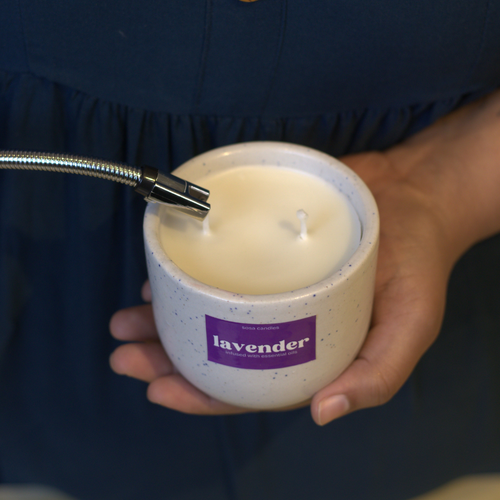
ceramic jar candle ₹949,
Pure Calm wax melt set ₹854, a two-scent car combo ₹899, Sandalwood and Oud car combo ₹949, 6ml attars ₹669 to ₹699, a 10ml SOSA perfume ₹599.
When ₹1,000 is right: a small team of under about twelve who genuinely know each other · a group where every single person in the draw earns enough that ₹1,000 is immaterial · an exchange the company itself is funding · an exchange that is replacing a party rather than sitting alongside one.
When it is a quiet tax: any mixed-seniority floor. A cap is read as a target, so a higher number obliges your most junior person to spend more, and that person will not raise it, because raising it tells forty colleagues about their finances.
The rule: set the cap at what the lowest-paid person in the draw can spend without thinking about it. If you do not know that number, use ₹500.
The short answer
Short answer: a Rs 1,000 cap is right for a small close team, for a group in which every person earns enough that the figure is immaterial, or for an exchange the company is funding itself. It is the wrong cap for a large mixed-seniority floor, where it becomes a quiet tax on the most junior people in the draw. The one genuine argument for it is that Rs 749 is where a reed diffuser becomes reachable, and a reed is the safest gift of all for somebody you barely know.
What Rs 1,000 reaches that Rs 500 does not: reed diffusers from Rs 749 to Rs 849, the Boond 300ml diffuser at Rs 899, a ceramic jar candle at Rs 949, a wax melt set at Rs 854, two-scent car perfume combos at Rs 899 and Rs 949, 6ml attars between Rs 669 and Rs 699, and a 10ml SOSA perfume at Rs 599. Above Rs 1,000 the attar trio is Rs 1,055 and 12ml attars run Rs 1,149 to Rs 1,199, which almost no office cap reaches.
The rule rather than the number: a cap is announced equally and felt unequally, and people read a ceiling as a target. Set it at what the lowest-paid person in the draw can spend once a year without thinking about it. If that number is unknown, Rs 500 is the safe default. If a higher cap is wanted anyway, state a floor alongside the ceiling, let people pool, or have the company fund the difference rather than asking employees to.
Straight answer
Should an office set its Secret Santa cap at ₹1,000?
1. Sometimes, and the honest answer depends on the room rather than on the gifts. I will not give a single number here because the same cap is generous in one office and a problem in the next one along. What I can give is the test. A cap is announced to everybody equally and felt unequally, and almost everybody treats a ceiling as a target because spending visibly under it is awkward when gifts are opened in a room. So the right cap is not the average of what people can afford. It is what the lowest-paid person in the draw can spend once a year without having to think about it.
2. There is one genuinely good reason to go to ₹1,000, and it is specific. ₹749 is where a
reed diffuser becomes reachable, and a reed is the safest and most useful thing on this site for a colleague you barely know. It goes into a room rather than onto a person, so there is no taste guess, no gender guess and no intimacy. It is alcohol-free. It takes 24 to 72 hours to reach its working level and then runs by itself for weeks with nothing to switch on, refill daily or attend. And for anybody who works from home it sits in the room they cannot leave, which makes it the one gift in this whole cluster I would call genuinely useful rather than merely safe. A ₹500 cap cannot reach it. That is the argument, and it is a real one.
3. When ₹1,000 is right: small, close, or funded. A team of eight or ten who actually know each other, where the exchange is the event rather than a side activity, and where everybody is roughly at the same stage — ₹1,000 works, people enjoy spending it, and nobody is guessing. A leadership or senior group where the figure is immaterial to every single person in the draw, which is a factual question you can answer rather than a feeling. An exchange the company is paying for, in which case the number is a budget and not a cap at all and this entire problem disappears. And an exchange that is replacing a party rather than sitting alongside one, where ₹1,000 a head is the party budget redirected.
4. When it is a quiet tax: any large mixed-seniority floor. On a floor of eighty that runs from interns to directors, ₹1,000 is a different number depending on where you sit, and the cap does not know that. The person for whom it is difficult is the person least likely to raise it, because raising it means telling eighty colleagues something about their finances that they would rather not. So you will get compliance and no complaint, which an organiser can easily mistake for success. It also compounds: whoever drew the senior person feels obliged to spend to the cap, and the parcel is only part of it — there is a card, a wrapping, sometimes a lunch, and the delivery if the order is somehow under ₹499.
5. What ₹1,000 actually buys, so the decision is concrete. Reeds at ₹749, ₹799 and ₹849. The
Boond diffuser 300ml diffuser at ₹899, which comes with the water-tank routine attached and so suits somebody who wants one rather than somebody who is being surprised with one. The
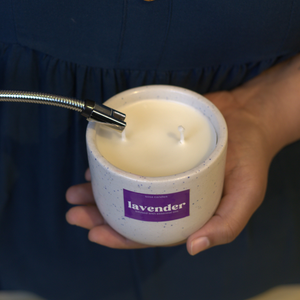
ceramic jar candle at ₹949, which is the best-looking candle I make. The
Pure Calm wax melt set at ₹854. A two-scent car perfume combo at ₹899 and a Sandalwood and Oud combo at ₹949. A 6ml attar at ₹669 to ₹699, which is the size that stops looking like a sample, under the usual condition that their taste is known. And a 10ml SOSA perfume at ₹599, which is an alcohol spray rather than an attar and sits under the same condition.
6. Three ways to have it both ways, if a higher cap is wanted anyway. State a floor alongside the ceiling — anything from ₹400 to ₹1,000, and nobody is comparing — which removes the obligation without removing the headroom. Let people pool, so two colleagues can put ₹500 each against one name instead of ₹1,000 each against two. Or have the company fund the gap: a ₹500 employee cap with the company adding ₹500 a head and buying centrally turns a tax into a benefit, and
a company can supply a curated shortlist to make that workable.
7. And whichever number you pick, the date decides more than the cap does. Metro addresses usually see two to four working days, and the rest of India longer. A Secret Santa exchange tomorrow morning is not a delivery problem any online order can solve, and no page here will pretend otherwise: if it is tomorrow, buy locally, or tell the organiser you will hand it over on the Monday.
TL;DR: ₹1,000 is right for a small close team, a uniformly senior group, or an exchange the company is funding. It is a quiet tax on a large mixed-seniority floor, because a ceiling is read as a target and the person it burdens will not say so. The one real argument for it is that ₹749 is where a reed diffuser arrives, which is the safest gift here for a near-stranger. Set the cap at what the lowest-paid person in the draw can spend without thinking about it; if you do not know, use ₹500.
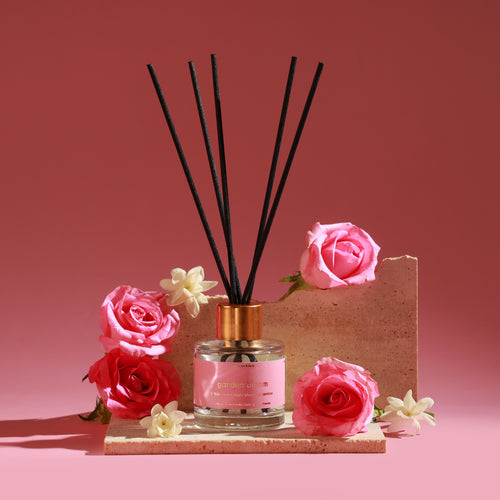
The one thing a ₹1,000 cap reaches that a ₹500 cap cannot
SOSA alcohol-free reed diffusers from ₹749
When a ₹1,000 cap helps, and when it quietly taxes the junior half of the room
The thing that makes this decision hard is that both effects are real at the same time and only one of them is visible. The benefit shows up in the room on the day: better parcels, more obvious thought, a reed diffuser instead of a token. The cost shows up nowhere at all, because the person carrying it says nothing. I have had exactly one organiser write to me about this directly, and she had found out by accident — an intern had quietly not participated two years running and only mentioned the reason when she left. That is the shape of the problem. You will not get feedback on a cap that is too high; you will get compliance. Which means the organiser has to do the thinking in advance, and the only reliable way to do it is to stop asking what a good gift costs and start asking who the cap is hardest on. If the answer is nobody, set it where you like. If the answer is a name you can think of, set it lower, or state a floor, or let people pool, or have the company pay.
1
WHEN ₹1,000 IS THE RIGHT CAP
Small, close, uniformly paid, or company-funded
Four situations, and in all four the cap stops being a tax because the premise of the tax is absent. The first is a small team — under about twelve people — where everybody has actually worked with everybody. Here the information problem is mostly solved, so ₹1,000 buys a gift that was chosen rather than settled for, and the exchange is usually the event itself rather than one activity inside a larger party. The second is a group in which every person in the draw earns enough that ₹1,000 is immaterial, which is a question of fact you can answer by looking at who is in the draw rather than a question of judgement. A leadership group, a partners' circle, a team of senior specialists: set it where you like. The third is an exchange the company is funding, in which case the number is a budget, not a cap, and the whole fairness problem evaporates — it also makes a curated shortlist far more workable, because somebody is placing one order rather than forty. The fourth is an exchange that replaces a party. If the annual lunch is not happening this year and the ₹1,000 a head is the redirected budget, then nobody is being asked for new money. What all four have in common is that the cap is not being paid by somebody for whom it is a real number. That is the only test worth applying, and it is a factual one.
2
WHEN IT IS A QUIET TAX
A mixed floor, a ceiling read as a target, and nobody who will say so
Three mechanisms, and they stack. The first is that a cap is read as a target rather than a limit. In theory ₹1,000 means up to ₹1,000; in practice, when gifts are opened in a room, spending visibly under the cap looks like not having bothered, so most people spend close to it. Announcing ₹1,000 is functionally asking eighty people for ₹1,000. The second is that the burden is invisible by design. The person for whom ₹1,000 in December is genuinely difficult — somebody in their first job, somebody supporting a household on one income, somebody who has just paid a deposit — is precisely the person who will not raise it, because raising it means disclosing something to eighty colleagues. You will therefore receive no objection and no signal, and it is easy to read that as agreement. The third is that it is never only the cap. There is the gift, the card, the wrapping, the lunch on the day, the cab home, and the delivery charge if the order somehow fell under ₹499.
On a floor of eighty that runs from interns to directors, a ₹1,000 cap is a different fraction of income for different people and the cap does not know that. It is also worth saying that the reverse direction exists. Somebody junior who draws a very senior name often feels obliged to spend to the top of the cap and then some, which is exactly the dynamic
a circulated list should be defusing rather than amplifying.
3
THE RULE I WOULD USE
Set it by the narrowest wallet in the room, not the average
The cap should be the amount the lowest-paid person in the draw can spend once a year without thinking about it. Not the median. Not what feels generous. Not what the organising group would happily spend, because the organising group is self-selected and skews senior. If you can answer that question, use the answer. If you cannot — and most organisers on a large floor cannot, because it would mean knowing things about colleagues they have no business knowing — then use ₹500, which clears the bar in every Indian city I have had this conversation about and still opens four safe categories.
The ₹500 case sets out why. And if a higher cap is wanted anyway, there are three ways to keep the headroom and drop the obligation. State a floor with the ceiling: anything between ₹400 and ₹1,000, and nobody is comparing — written in the first email, not in a reply. Allow pooling, so two people can put ₹500 each against one name rather than ₹1,000 each against two, which halves the parcels and improves the information at the same time. Or have the company fund the difference: employees spend ₹500, the company adds ₹500 and buys centrally, and the tax becomes a benefit. Some people react badly to fragrance, and an office is exactly where you will not know. That is one more argument for a reed diffuser over a personal perfume: a reed goes home with them and gets placed, or not, in a room of their choosing. Nobody has to wear anything, and nobody has to explain why they are not wearing it.
The two lines I would put in the announcement: the cap is a ceiling and not a target, so anything from ₹400 upwards is fine and nobody is comparing. And anybody who would rather not take part may say so, with no reason required and nothing further said about it.
Eight situations, and the cap I would set in each
The same question answered eight ways, because the cap is a property of the room rather than of the gifts. The middle column is the one organisers skip and the one that decides it. Read down to the row that looks most like your own floor.
Find your room
What cap I would set, by what the draw actually contains
| The situation |
Is ₹1,000 right |
What it means for the most junior person |
What I would set |
| A floor of fifty or more, interns to directors ★ |
No |
A ceiling read as a target, paid by somebody for whom it is a real number, who will not say so |
₹500, with a stated floor and an opt-out |
| A team of eight or ten who genuinely know each other |
Yes |
Usually fine, and worth checking rather than assuming |
₹1,000, or ₹750 if anybody is in a first job |
| A leadership or senior group, uniformly paid |
Yes |
Immaterial to everybody in the draw, which is a fact you can verify |
₹1,000 or above, as you like |
| A draw that includes interns or trainees |
No |
The largest relative spend in the room, on the smallest income in the room |
₹500, or a separate draw for the junior group |
| The company is funding the exchange |
Yes |
Nothing at all. This is a budget rather than a cap |
Whatever the budget is. A shortlist makes it workable
|
| A remote or hybrid team spread across cities |
Possibly |
Fine on cost, hard on logistics. Addresses matter more than the number |
₹500–₹1,000, with addresses collected at the draw |
| A team that joined this year and has half-met |
No |
A high cap plus no information produces expensive guessing |
₹500, with a circulated category list. The method
|
| ₹1,000 announced with no floor and no opt-out |
Never |
An obligation disguised as a celebration, and no route out of it |
Add both lines before you send the email |
Shop this guide
What the band between ₹750 and ₹1,000 actually reaches
The SOSA principle
There is exactly one good reason to raise a cap to ₹1,000, and it is that ₹749 is where the reed diffuser arrives. There is exactly one bad consequence, and it is that a ceiling is read as a target by the person who can least afford to treat it that way. Weigh those two against each other for your own room, and do not take a number from a page.
Set the cap at what the lowest-paid person in the draw can spend without thinking about it. If you cannot answer that, ₹500. If a higher number is wanted, state a floor, allow pooling, or have the company pay.
The judgement rule, and three ways to have it both ways
The rule is one sentence and it is deliberately awkward. Set the cap at the amount the lowest-paid person in the draw can spend once a year without having to think about it — not the average, not what the organising group would happily spend, and not what produces the nicest parcels. It is awkward because answering it properly means thinking about colleagues' finances, which organisers reasonably do not want to do. So here is the workable version. If the draw is small and you know everybody in it, you already know the answer and should use it. If the draw is large and mixed, you do not know the answer and cannot find out without asking questions you should not ask, so use ₹500 — which clears the bar in every Indian city I have had this conversation about, opens four safe categories, and crosses the ₹499 free-shipping line so the cap is the whole cost. And if somebody senior wants a higher number because the gifts at ₹500 look thin, the answer is not to overrule them on taste. It is to point out that they are proposing to spend other people's money, and then to offer one of the three structures below, all of which give them the headroom they want without the obligation they are not thinking about.
Three structures, in the order I would try them. One: state a floor alongside the ceiling. Anything from ₹400 to ₹1,000, and nobody is comparing — in the first email, in the same sentence as the cap, not in a reply to somebody who asked. This is the lightest fix and it works better than it sounds, because the reason people spend to the cap is that they do not know what everybody else is spending; a stated floor gives them cover. Two: allow pooling. Two colleagues may put ₹500 each against one name instead of ₹1,000 each against two, sign the card together and halve the number of parcels. This also fixes the information problem, because two people between them usually know one useful fact about the recipient — he drives in, she works from home, they moved in August — and one fact is enough to pick a category. Three, and much the best if it is available: the company funds the difference. Employees spend ₹500 and the company adds ₹500 a head, bought centrally against a shortlist, which converts a tax into a benefit and removes the entire fairness question. The mechanics of that are in the corporate-supply page, including how multi-address delivery works for a team that is not all in one office.
And then what the money actually reaches between ₹750 and ₹1,000, because the band deserves a straight description. The reed diffuser is the reason to be here: Morning Freshness reed diffuser at ₹749, Garden Bloom reed diffuser and Evening Calm reed diffuser at ₹799, Fresh Brew reed diffuser and Mountain Breeze reed diffuser at ₹849. Alcohol-free, 24 to 72 hours to reach its working level, then weeks of running by itself with nothing to attend. For a colleague who works from home it is the most genuinely useful object in this entire cluster. The ceramic jar candle at ₹949 is the best-looking candle I make and the right answer where the gift will be opened in front of people. The Pure Calm wax melt set at ₹854 is a quieter alternative for somebody who cannot have an open flame. A two-scent car perfume combo at ₹899 or the Sandalwood and Oud combo at ₹949 doubles the car option for anybody who drives. A 6ml attar at ₹669 to ₹699 is the size that stops looking like a sample, and a 10ml SOSA perfume such as Khayaal or Samundar or Bahaar is ₹599 — both still under the condition that applies to everything that goes on a person, which is that you know their taste rather than guess it. The Boond diffuser at ₹899 I would recommend carefully: it is a water-tank machine and comes with a daily routine attached, so it is a good gift for somebody who has said they want one and a slightly demanding gift for somebody who has not. Above ₹1,000 the attar trio is ₹1,055 and 12ml attars are ₹1,149 to ₹1,199, the Warmth & Bloom reed duo is ₹1,598, the Sukoon diffuser is ₹1,899 and Safar waterless car diffuser is ₹3,999 — almost no office cap reaches them, so leave them off a circulated list. The buyer-facing ₹1,000 page goes product by product.
A ceiling is read as a target by everybody, and paid for most dearly by the person who can least afford to treat it that way. Set the cap by the narrowest wallet in the room, not by the average one.
— Sonal Sahani, SOSA
The SOSA edit
The ₹500 to ₹1,000 range broken into bands, with what each one reaches and when it is the right band to be in. This is the version for a budget conversation rather than for the announcement email. The last row is the only thing on the page that is wrong at every cap.
The SOSA edit
Five bands between ₹500 and ₹1,000, and one line not to cross
| Band |
What it reaches |
When it is the right band |
Price |
| 1. ₹750 to ₹850 ★ |
Morning Freshness reed diffuser ₹749 · Garden Bloom reed diffuser and Evening Calm reed diffuser ₹799 · Fresh Brew reed diffuser and Mountain Breeze reed diffuser ₹849 |
The reason to raise a cap at all. The safest gift here for a near-stranger, and the best for anybody working from home |
₹749–₹849 |
| 2. Under ₹500 |
A candle ₹379 or ₹449 · a car perfume ₹449 to ₹499 · a 3ml attar ₹379 to ₹399 |
The default for any large mixed floor. Four safe categories and free shipping above ₹499 |
₹379–₹499 |
| 3. ₹500 to ₹750 |
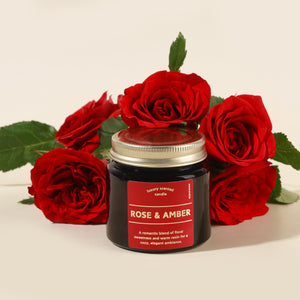
Amber Rose candle ₹599 · a 10ml SOSA perfume ₹599 · a 6ml attar ₹669 to ₹699 |
A modest step up. The perfume and attar rows still need the recipient's taste to be known |
₹599–₹699 |
| 4. ₹850 to ₹1,000 |
Pure Calm wax melt set ₹854 · Boond diffuser ₹899 · car combo ₹899 · ceramic jar candle ₹949 · Sandalwood and Oud combo ₹949 |
A small close team, or a gift that will be opened in front of people. The Boond suits somebody who asked for one |
₹854–₹949 |
| 5. Above ₹1,000 |
attar trio ₹1,055 · 12ml attars ₹1,149–₹1,199 · Warmth & Bloom reed duo ₹1,598 · Sukoon diffuser ₹1,899 |
Rarely an office cap. Leave these off a circulated list rather than tempting four people over it |
₹1,055–₹1,899 |
| Wrong at every cap |
A personal perfume for a near-stranger, or a cap high enough that somebody in the draw has to think about it |
Never. The first puts the recipient on the spot; the second puts a colleague there |
— |
Honest notes for organisers: the only real argument for a cap above ₹750 is that this is where a reed diffuser becomes reachable, and the only real argument against it is that a ceiling is read as a target by the person in the draw who can least afford to treat it that way — so weigh the room rather than the range. Beyond that, the honest rule for an office Secret Santa is that a gift for somebody you barely know belongs in a room or a car, not on their body. A
reed diffuser from ₹749, a candle from ₹379 or a car perfume from ₹449 carries no taste guess, no gender guess and no intimacy, and cannot be wrong on them. An attar from ₹379 is a lovely gift for somebody whose fragrance taste you actually know, and the wrong gift for a near-stranger. SOSA makes four attars —
Adaa attar at ₹379,
Ameeri attar at ₹385,
Mastani attar at ₹389 and
Nawaab attar at ₹399 in 3ml, rising to about ₹1,149 to ₹1,199 at 12ml — and a separate line of alcohol sprays from ₹599, which are perfumes rather than attars. Reeds are alcohol-free and take 24 to 72 hours to reach their working level, so say so on the card. Candles scent a room in roughly 15 to 20 minutes and must be attended. SOSA does not make a room spray for the home; the sprays in the range are car perfumes. Free shipping above ₹499. Delivery takes two to four working days to metro addresses and longer elsewhere, so an exchange tomorrow is not something an online order can rescue. A portion of every order supports girl-child education through Nanhi Kali.
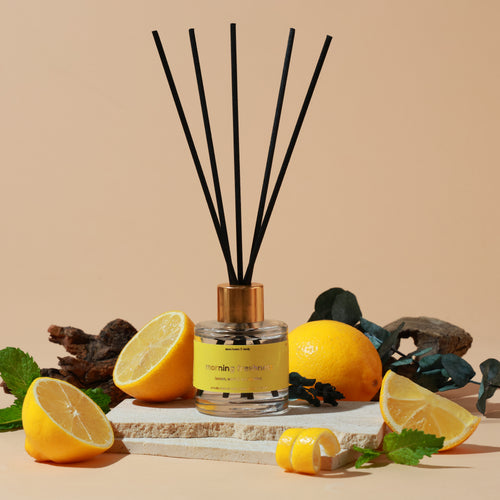
The product the ₹1,000 question is really about
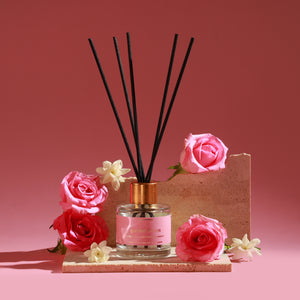
SOSA Morning Freshness reed diffuser ₹749
At ₹749 this is the cheapest reed diffuser I make and the single safest gift on this site for somebody you barely know.
Malabar lemon and mint, alcohol-free, in a room rather than on a person — no taste guess, no gender guess, no intimacy, and nothing the recipient has to wear or explain. It takes 24 to 72 hours to reach its working level, so the card should say so, and then it runs by itself for weeks with nothing to switch on or attend.
Garden Bloom reed diffuser and
Evening Calm reed diffuser are ₹799 and
Fresh Brew reed diffuser and
Mountain Breeze reed diffuser are ₹849. Free shipping above ₹499. For a colleague who works from home, this is the one I would send.
A note from Sonal
I get asked for a number on this one more than on any other, and I have stopped giving one. The reason is an email from an organiser in Gurgaon who had raised her floor's cap from ₹500 to ₹1,000 on the entirely reasonable grounds that the ₹500 gifts had looked thin, and who found out two years later that an intern had been quietly sitting the whole thing out and had never said why. Nothing about her decision was careless. She simply could not see the cost, because the cost was being carried by the one person in the room who had the strongest reason not to mention it.
What I take from that is that the cap is a property of the room rather than of the gifts, and that an organiser gets no feedback on setting it too high. You get compliance, which looks like agreement, and you get better-looking parcels, which looks like success. So I would rather hand over the test than the number: who in this draw will have to think about this amount, and if the answer is anybody at all, either lower it or change the structure. State a floor. Allow pooling. Have the company pay the difference. All three are easy and all three are more useful than arguing about whether ₹1,000 is generous, which it is, to the people who are not paying it.
The one thing I will say in favour of the higher cap is that ₹749 is where the reed diffuser arrives, and that is a genuinely better gift than anything below it for somebody you hardly know — which is why I would rather see a company fund the step than see forty employees obliged to. Everything is made and supported from Pune, and a part of every order funds girl-child education through Nanhi Kali. Somebody gets a gift that was actually thought about; a girl gets a classroom. That equation has always felt right to me.
Frequently asked questions
Is Rs 1,000 too much for an office Secret Santa budget?
It depends on who is in the draw rather than on what it buys. For a small close team, a uniformly senior group, or an exchange the company is funding, Rs 1,000 is fine. For a large mixed-seniority floor it becomes a quiet tax on the most junior people, because a ceiling is read as a target and the person for whom it is difficult is the one least likely to say so. Set the cap at what the lowest-paid person in the draw can spend without thinking about it.
What is the one good reason to set a Secret Santa cap above Rs 750?
A reed diffuser becomes reachable. Morning Freshness is Rs 749, Garden Bloom and Evening Calm Rs 799, Fresh Brew and Mountain Breeze Rs 849. A reed goes in a room rather than on a person, so it carries no taste guess, no gender guess and no intimacy; it is alcohol-free; and after 24 to 72 hours it runs by itself for weeks. For a colleague who works from home it is the most useful gift in this range.
What can you buy a colleague for Rs 1,000?
A reed diffuser between Rs 749 and Rs 849. A ceramic jar candle at Rs 949. A wax melt set at Rs 854. The Boond 300ml diffuser at Rs 899, which comes with a daily water-tank routine and so suits somebody who has asked for one. A two-scent car perfume combo at Rs 899 or Rs 949. A 6ml attar between Rs 669 and Rs 699, or a 10ml SOSA perfume at Rs 599, both only where the recipient's fragrance taste is actually known.
How should HR decide between a Rs 500 and a Rs 1,000 Secret Santa cap?
Ask who in the draw will have to think about the amount. If the answer is nobody, either number works. If the answer is anybody at all, use Rs 500, or keep the higher ceiling and state a floor alongside it so people have cover to spend less, or allow two colleagues to pool against one name, or have the company fund the difference and buy centrally. Rs 500 clears the affordability bar and still opens four safe categories.
Does a higher Secret Santa cap produce better gifts?
Above about Rs 750 it genuinely does, because that is where the reed diffuser arrives and a reed is a better gift for a near-stranger than anything below it. But the improvement is smaller than organisers expect, and the cost is carried unevenly. A Rs 379 candle chosen with one fact about the recipient in mind lands better than a Rs 1,000 gift chosen by guessing, which is why a circulated category list matters more than the number.
One good reason up, one quiet cost down
₹749 is where the reed diffuser arrives — and a ceiling is read as a target by the person who can least afford it
Between ₹750 and ₹1,000: reed diffusers at ₹749, ₹799 and ₹849, alcohol-free and running by themselves after 24 to 72 hours; a ceramic jar candle at ₹949; a wax melt set at ₹854; the Boond 300ml diffuser at ₹899 for somebody who has asked for one; car perfume combos at ₹899 and ₹949; 6ml attars at ₹669 to ₹699 where taste is known. Free shipping above ₹499. Delivery is two to four working days to metro addresses and longer elsewhere. A portion of every order supports girl-child education through Nanhi Kali.
See the reed diffusers · from ₹749 The full SOSA range
Continue the read
More from SOSA
Editorial standards & sources
Prices and product facts used in this guide, verified November 2026. Attars (alcohol-free roll-on perfume oils, 3ml/6ml/12ml): Adaa Rs 379/669/1,149, Ameeri Rs 385/679/1,165, Mastani Rs 389/685/1,179, Nawaab Rs 399/699/1,199, and the Ameeri plus Nawaab plus Mastani trio from Rs 1,055. SOSA perfumes (alcohol sprays, 10ml/50ml/100ml) from Rs 599, including Khayaal, Samundar, Bahaar, Chashni, Zaffran and Tabac Noir; these are perfumes, not attars. Recreation from Rs 599 and Bespoke Signature Perfume from Rs 1,499. Alcohol-free reed diffusers: Morning Freshness from Rs 749, Garden Bloom and Evening Calm from Rs 799, Fresh Brew and Mountain Breeze from Rs 849, the Warmth and Bloom duo Rs 1,598; a reed diffuser takes 24 to 72 hours to reach its working level. Scented candles from Rs 379, Smoked Oudh Rs 449, Amber Rose Rs 599, ceramic jar Rs 949; a candle scents a room in roughly 15 to 20 minutes and must be attended. Car perfumes from Rs 449 in spray and hanging formats, combos from Rs 899. Ultrasonic diffusers: Boond Rs 899, Sukoon Rs 1,899, Megh Rs 3,499. Safar waterless car diffuser Rs 3,999. Hotel Collection fragrance 15ml Rs 299, 100ml Rs 999, 300ml Rs 1,799. Free shipping above Rs 499. Delivery is typically two to four working days to metro addresses and longer elsewhere, so a same-day or next-day exchange cannot be met by an online order. This guide makes no claim that a fragrance changes anybody's mood, health or performance. Prices subject to change - see the live product pages.

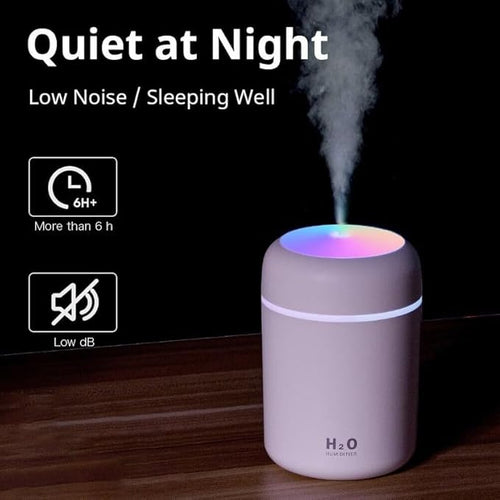 Boond · for somebody who wants one₹899Shop →
 Ceramic jar candle · the top of the band₹949Shop →