


How Do I Make a Small Indian Home Smell Festive and Premium During Diwali Without Over-Fragrancing It?

How Do I Make a Small Indian Home Smell Festive and Premium During Diwali Without Over-Fragrancing It?

★ Diwali with a full house · cooking, diyas, incense and eight peopleCandle ₹379 · reed ₹749 · Boond ₹899 · Sukoon ₹1,899 · free shipping above ₹499A portion funds girl-child education
★ SOSA · when people are coming over
During Diwali your home already has plenty of smells doing plenty of work. The question is not what to add — it is where there is any room left
★ ★ ★ ★ ★
★★★★★
"Eight of us in a 2BHK for a week. The honest advice was to use less than normal, not more, because the house was already full of mithai and incense."
Nalini P. Diwali, 8 guests
Less than normal
★★★★★
"Diyas, cooking and agarbatti all going at once. Told me to leave the living room alone and only scent the bedrooms. Completely right."
Rohit A. Diwali, Mumbai
Bedrooms only
★★★★★
"Guest room had been shut for months and relatives arrived the next day. Aired it all day, changed everything, then a candle an hour before. Fine."
Sunita M. Overnight prep
Air all day
★★★★★
"The entrance is where it matters during Diwali — people are in and out constantly. One thing by the door did more than four things inside."
Karan J. Diwali entrance, Delhi
The door only
★★★★★
"We cook triple during Diwali week. Extractor and windows carried it; the fragrance just stopped the living room feeling like a kitchen."
Lata S. Diwali cooking, Pune
Airflow led
★★★★★
"Wanted festive without being overpowering in a small flat. Warm and low, in one room, was the answer rather than everywhere at once."
Vikas T. Small home, Diwali
One room, warm
★★★★★
"Eight of us in a 2BHK for a week. The honest advice was to use less than normal, not more, because the house was already full of mithai and incense."
Nalini P. Diwali, 8 guests
Less than normal
★★★★★
"Diyas, cooking and agarbatti all going at once. Told me to leave the living room alone and only scent the bedrooms. Completely right."
Rohit A. Diwali, Mumbai
Bedrooms only
★★★★★
"Guest room had been shut for months and relatives arrived the next day. Aired it all day, changed everything, then a candle an hour before. Fine."
Sunita M. Overnight prep
Air all day
★★★★★
"The entrance is where it matters during Diwali — people are in and out constantly. One thing by the door did more than four things inside."
Karan J. Diwali entrance, Delhi
The door only
★★★★★
"We cook triple during Diwali week. Extractor and windows carried it; the fragrance just stopped the living room feeling like a kitchen."
Lata S. Diwali cooking, Pune
Airflow led
★★★★★
"Wanted festive without being overpowering in a small flat. Warm and low, in one room, was the answer rather than everywhere at once."
Vikas T. Small home, Diwali
One room, warm
Candle: scent in the room in 15–20 minutes · Sukoon: about 20 minutes from cold A reed diffuser needs 24–72 hours — the wrong buy when guests arrive tonight Ventilate first · fragrance is the finishing layer, never the cover-up


Founder Diaries · Home Fragrance · Diwali
By Sonal Sahani · ISIPCA Versailles 13 min read Updated August 2026
This is the page that holds the other nine in this group, and it starts by disagreeing with the question. You do not need to make a small Indian home smell festive during Diwali, because it is already doing that better than anything sold in a bottle — ghee in a kadhai, sugar syrup, besan, marigold in the torans, sesame oil burning in the diyas, agarbatti in the puja corner, and mithai boxes stacked on a sideboard. None of that comes from a shop and none of it can be improved on. What can go wrong, and usually does by the third day, is the base underneath all of it: a flat that has been cooked in, walked through and slept in by ten people starts to smell of accumulation rather than of celebration. The job of a home fragrance this week is to keep that base clean, so the real smells read as intentional. That is a narrower job than most brands would like to sell you, and it is the only honest one.
Quick answers — read this first
The reframe: the festive smell is already being made by your kitchen, your diyas and your incense. A bought fragrance cannot add to that. Its job this week is to keep the base of the house clean underneath, so the real smells read as intentional rather than as accumulation.

What premium means: restraint, nothing sweet, one scent through the house rather than four, and consistency. Nothing in the Hotel Collection is sweet, which matters more this week than any other.

The setup: a Sukoon at ₹1,899 running three drops of something dry for two hours each morning while the flat airs, one reed diffuser from ₹749 in the bathroom or entrance, and nothing at all on the festival evening itself.
The short answer
Short answer: stop trying to add festivity and keep the base clean instead. Air the flat properly each morning, run one dry scent lightly — the 1 Hotels-inspired Forest Suite or the Ritz-Carlton-inspired Quiet Luxury at ₹299, three drops — and switch everything off in the evening. The festive smell is already being made by the ghee, the marigold, the diyas and the incense.
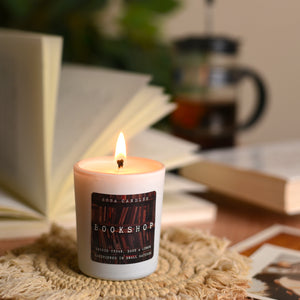
The pick: a Sukoon at ₹1,899 with three 15ml scents included, running two hours each morning at three drops; one reed diffuser from ₹749 in the bathroom or entrance where nobody has time to think; and a Bookshop candle at ₹379 for the twenty minutes before people arrive, if you want one warm moment rather than a warm week.
Shop: the Hotel Collection at ₹299 for 15ml, ₹999 for 100ml and ₹1,799 for 300ml at about ₹6 per millilitre, Pack of 7 at 15ml ₹1,799 against ₹2,093 singly. Sukoon ₹1,899, Boond ₹899, Megh ₹3,499. Reed diffusers are a separate alcohol-free line from ₹749 and need 24–72 hours. Candles from ₹379. Free shipping above ₹499.
Straight answer
How do I make a small Indian home smell festive and premium during Diwali without over-fragrancing it?
1. Accept that the festive smell is already being made, and not by anything you can buy. Ghee, sugar syrup, besan and cardamom from the kitchen; marigold and rose in the torans; sesame or ghee burning in the diyas; agarbatti in the puja corner; boxes of mithai on every surface. That is the smell of Diwali in an Indian home and no manufactured fragrance improves on it or adds to it.

2. So give the bought fragrance the job it can actually do: keep the base of the house clean. Underneath the good smells sits everything else — yesterday's frying, ten people's day, damp towels, shoes, stale smoke from last night's sticks. When that base is clean the festive smells read as intentional. When it is not, the whole flat reads as accumulation, and no amount of fragrance on top changes that.

3. Which makes ventilation the first product, and it is free. Twenty minutes each morning with two openings on opposite walls so the air moves through the flat rather than stirring in place. Extraction on while cooking and for ten minutes afterwards. Bedding and cushion covers washed mid-week rather than after. That is most of the result.

4. Then one scent, run lightly, in the morning. Three drops of something dry — the 1 Hotels-inspired Forest Suite or the Ritz-Carlton-inspired Quiet Luxury at ₹299 — in a Sukoon at ₹1,899 on the 2H timer, while the windows are open and before the kitchen starts. One scent through the whole flat, not a different one per room.

5. Understand what 'premium' means, because it is not a price. It is restraint, an absence of sugar, one scent rather than several, and consistency from day to day. Nothing in the Hotel Collection is sweet — no vanilla, no caramel, no tonka in any of the seven — and in a week already full of ghee and sugar that absence matters more than in any other week of the year.

6. And on the festival evening itself, run nothing. Let the diyas, the food and the incense have the house. A home that smells of one deliberate thing is worth more than a home smelling of four careful ones, and this is the single most useful instruction in the whole guide.

A portion of every order supports girl-child education through Nanhi Kali.

TL;DR: the festive smell is already being made by ghee, mithai, marigold, diyas and incense — a bought fragrance cannot add to it. Its job this week is to keep the base of the house clean underneath, so the real smells read as intentional. Air the flat each morning, run three drops of one dry scent for two hours, put a reed in the bathroom, and switch everything off on the night itself.
SOSA Sukoon
One machine, three drops, and an off switch
SOSA Sukoon ₹1,899
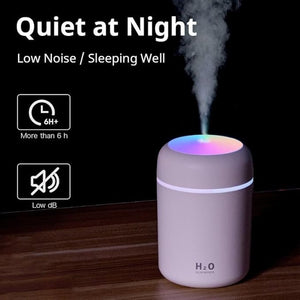
A 500ml BPA-free tank rated for 270–320 sq ft, 16–18 hours per fill on low at 30–50 ml/h against 9–12 on high, a 2.4MHz cool-mist plate, a remote, auto shut-off and steady, 2H and 4H timers — with three 15ml Hotel Collection scents of your choice included. During Diwali the timer is the specification that matters and the coverage figure is not, because the single most useful thing a home fragrance can do this week is stop. Two hours in the morning while the flat is being aired, then nothing while the cooking and the diyas and the incense have the house. That is a machine being used well.

Part one — what 'festive' and 'premium' actually mean this week

Nine articles come before this one, and the thing they have in common is that every single answer in them was smaller than the question expected. That is not modesty. It is the actual structure of the problem: during Diwali an Indian home is producing more scent, from more sources, than in any other week of the year, and almost all of it is good. The one thing it is short of is not fragrance. It is clarity. So this part defines the two words in the title properly, because both of them are routinely sold back to people as the opposite of what they mean — festive as something you add, and premium as something you spend.

1
FESTIVE
The smell is already being made — the job is to keep the base clean underneath it
Walk into any Indian flat on the third day of Diwali and inventory what is actually in the air. Ghee heating in a kadhai, sugar syrup at one-string consistency, besan browning, cardamom, the particular smell of hot oil and the particular smell of a sweet that has just been cut. Marigold, which has a green, faintly bitter, unmistakable smell of its own. Rose petals. Sesame or ghee burning slowly in a dozen diyas — one of the loveliest and least reproducible smells there is. Agarbatti in the puja corner. New cotton and the faint starch of clothes worn for the first time. Boxes of mithai on the sideboard. That is the smell of the festival and it is being manufactured, at no cost, by your household. No bottle contributes to it. The seven scents I make are white tea, cedar, vetiver, amber, jasmine, sandalwood and pepper, and not one of them would improve that room. So the honest proposition — and it is a genuinely different one from what the category usually offers — is that a home fragrance during Diwali is a base rather than a top note. Underneath the celebration sits the ordinary condition of a flat that has been cooked in three times a day, walked through by forty people and slept in by ten: yesterday's frying still in the curtains, stale agarbatti smoke from last night, damp towels, shoes by the door, bins that filled faster than usual. When that base is clean, everything above it reads as intentional. When it is not, the entire flat reads as accumulation, and the festival smells become part of a mess rather than the point of it. Keeping the base clean is a job a diffuser can genuinely do. Adding festivity is not.
2
PREMIUM
Restraint, no sugar, one scent, and consistency — none of which is a price
Then the second word, which is even more misused. Premium in home fragrance is four things and not one of them is expenditure. The first is restraint: three drops rather than six, two hours rather than twelve, one machine rather than three. A room that has arrived at a low steady level reads as a property of the building, and a room climbing while people are in it reads as something being done to them. The second is the absence of sugar, and it matters more during Diwali than at any other time. There is nothing sweet anywhere in the Hotel Collection — no vanilla, no caramel, no tonka and no praline in any of the seven scents, all of which are dry — and in a week when your kitchen is producing actual sugar in industrial quantities, a diffuser adding a synthetic version of the same thing is the single fastest way to make a home smell cheap. This is the reason a good hotel smells expensive and a candle shop does not, and this week is when the difference is most visible. The third is one scent rather than several: a different bottle in every room produces a house that changes its mind at every doorway, and in a small flat where the rooms share air it produces a muddle. Pick one and run it everywhere it is needed, or run it in one room and leave the rest alone. The fourth is consistency — the same low level each day rather than nothing on Tuesday and a great deal on Thursday because guests are coming. People read a steady background as a characteristic of your home and a sudden strong one as an event staged for them, and only the first of those reads as premium.
3
THE BASE
Ventilation, textiles and extraction — the three free things that do most of the work
Which leaves the practical half of keeping a base clean, all of which costs nothing and all of which beats any product in this range for this particular purpose. Ventilation first: twenty minutes every morning with two openings on opposite walls, so air crosses the flat rather than stirring in one room. One window alone gives you very little; the second opening is what turns it into a cross-draught. Morning is the right hour because the outside air is coolest and cleanest, the kitchen has not started, and nothing is burning yet. Extraction second: the chimney or exhaust on before the oil goes into the pan and left running for ten minutes after the last thing comes out of it. Frying aerosolises oil, which then lands on every surface within reach and stays there smelling of yesterday, and there is no fragrance on earth that improves fried-oil residue on a curtain. Textiles third, and this is the one nobody does: wash the cushion covers, the throws and the guest bedding mid-week rather than afterwards. Soft furnishings are the memory of a house — they absorb cooking, smoke and everything else, then release it slowly for days, which is why a flat can smell faintly of Monday's frying on Thursday. A load of cushion covers on Wednesday morning does more for how your home smells on Thursday evening than ₹2,000 of anything. And keep the bins emptied twice a day, because during Diwali they fill with sweet packaging and food waste at a rate that catches everybody out. Do all of that and the fragrance becomes a finishing layer on air that is genuinely clean, which is the only situation in which it works.
The order that runs through all ten of these Diwali guides: source, then ventilation, then textiles, then time — and only then fragrance. Reverse it and you are paying to put a nice smell on top of a problem, which produces a worse smell than the problem alone.

Part two — the range, judged for a small flat at Diwali

Everything SOSA makes, judged by one criterion: whether it helps a small Indian home during a festival week. The third column is what it actually does for you this week and the fourth is the honest instruction, including where the answer is not to buy it. The first row of this table is free, and it is there because it outperforms everything below it for the specific problem this page is about.

The complete Diwali table
What each thing is worth in a small flat during a festival week
What Time to work What it does during Diwali How to use it this week Price
Cross-ventilation ★ 20 minutes Clears yesterday's frying, stale agarbatti smoke and ten people's day — the only thing that removes rather than adds Two openings on opposite walls, every morning before the kitchen starts. This is the first product on the list ₹0
Sukoon + a dry Hotel Collection scent About 20 min from cold Holds a clean, low, consistent base underneath the festival smells, and can be switched off when it should be Three drops of the 1 Hotels-inspired or Ritz-Carlton-inspired, two hours each morning on the 2H timer while the flat airs ₹1,899 + ₹299
One reed diffuser 24–72 hours Handles the bathroom or the entrance with no electricity, no routine and no attention on a day you have none Set up a week before Diwali. Three or four sticks, not the full packet. Morning Freshness ₹749 or Mountain Breeze ₹849 from ₹749
A candle 15–20 minutes One warm moment rather than a warm week — the twenty minutes before people arrive, and then out Bookshop 80g ₹379 or Amber Rose 130g ₹599. Attended, and extinguished before anybody leaves the room ₹379
Boond as a second machine About 20 min from cold Lets a bedroom be scented separately from a hall, at the same three to six drops per tank Only if you genuinely need two zones. In a small flat one machine and one scent is usually the better answer ₹899
Nothing at all, on the night Lets the diyas, the food and the incense have the house, which on that evening is the whole point Switch everything off before the puja. The best instruction in this guide, and it costs nothing ₹0
Shop this guide
The whole Diwali setup, in three products
The SOSA principle
Your home is already making the festive smell, and doing it better than anything in a bottle. What a fragrance can do this week is keep the base clean underneath it.
Ghee, mithai, marigold and diyas are the top of the composition. Frying residue, stale smoke, damp towels and ten people's day are the base — and the base is the half you can actually control.

Part three — the week, hour by hour, and what the setup costs

Start with the shape of the week, because timing is where a small flat wins or loses. Mornings are aired and lightly scented, the festival evening is left alone, and the days afterwards are about restoration. The morning routine is the whole engine: windows open on opposite walls for twenty minutes as soon as the household is up, bins out, and the Sukoon on the 2H timer at three drops of something dry while the air is still moving. That single two-hour run, before the kitchen starts and before anything is lit, is worth more than eight hours of the same machine at any other time of day, because it is the only window in twenty-four hours when a manufactured scent has the flat to itself and can establish a clean floor for everything that comes after. Then the day belongs to the cooking, with extraction on and a window cracked in the kitchen, and nothing running anywhere. The evening belongs to the diyas, the puja and the food, and on the night itself I would have the diffuser switched off entirely. Then the days after Diwali, which nobody plans for and which are when a flat most needs help: the smell of a house the morning after is stale agarbatti smoke, cold fried oil and the sweetish note of a great many empty boxes. Air it hard, wash the cushion covers and the guest bedding, run the machine at three drops for two hours, and the flat comes back within a day. The Sukoon gives 16–18 hours per fill on low at 30–50 ml/h against 9–12 on high, with a 2.4MHz cool-mist plate, a remote, auto shut-off, a BPA-free tank and steady, 2H and 4H timers, and it arrives with three 15ml Hotel Collection scents of your choice — which is the whole of this plan's fragrance included in the machine.

Then the rooms and the dose, which in a small flat are simpler than in a large one for a reason people find counter-intuitive. A 600 to 900 square foot flat is not three or four separate scenting problems. It is one volume with some partitions in it, and it should have one scent. Rooms in a compact Indian home share air constantly — the kitchen breathes into the sitting room, the corridor connects everything, doors stand open — so running a different bottle in each room does not produce zones, it produces a boundary where two compositions meet and confuse each other. Pick one dry scent and use it in the one room that matters, which in this week is wherever people gather in the morning, and leave the rest of the flat alone. The dose is three drops rather than four, and the Hotel Collection is composed at three to six drops per tank with the dose per tank rather than per litre, since you are scenting the mist and not the water — so a 300ml Boond at ₹899 takes the same three drops as a 500ml Sukoon at ₹1,899, and the larger machine buys hours and coverage rather than intensity. The exceptions to the single-scent rule are the two rooms nobody has time to think about during a festival week: the bathroom and the entrance. Both are used constantly by people who do not live there, both are noticed instantly, and both are better served by a reed diffuser from ₹749 that needs no attention at all than by anything requiring a decision on a busy day. Set the reed up a week early — 24 to 72 hours to reach its level — and run three or four sticks rather than the packet's full complement. The entrance, uniquely, is the one place I would use something with weight in it, because a door opening every few minutes strips everything light straight out of the room.

Then the money and the constraints, so you can price this before you buy any of it. The complete setup this guide argues for is a Sukoon at ₹1,899, which arrives with three 15ml Hotel Collection scents of your choice included, plus one reed diffuser from ₹749 — ₹2,648 in total, with free shipping above ₹499. If you already own an ultrasonic machine, it is a single 15ml bottle at ₹299 plus a reed at ₹749, which is ₹1,048 for the whole week. If your budget is genuinely under ₹500, buy a Bookshop candle at ₹379 and spend the rest of the effort on ventilation and washing cushion covers, and your flat will smell better than most homes running ₹3,000 of product on top of an unaired room. At the other end, a Megh at ₹3,499 with a six-litre tank is only worth it for a genuinely open-plan or double-height space, and the waterless Vaayu at ₹11,999 covers up to 1000m³ and is a commercial machine that has no business in a flat. On the constraints, all of which matter more during a week when several people are handling your things: the Hotel Collection is water-based and runs in the Sukoon, the Boond and the Megh only. It does not go into a reed diffuser, which is a separate alcohol-free line with its own scents, and it does not go into the Vaayu, which takes its own undiluted oil. Never put a raw essential or carrier oil into an ultrasonic — it clogs the 2.4MHz plate — and rinse the tank when you change scent. Candles must be attended and put out, which during Diwali means before the room empties rather than before you go to bed. Buy the 15ml at ₹299 before the 300ml 300ml refill at ₹1,799. And expect to stop smelling your own flat within a fortnight, which during a festival week is the most dangerous fact in this guide: the instinct habituation produces is to add drops while every visitor is receiving the level you set on Monday. Ask one relative to be honest rather than polite. It is the only instrument in the house that still works.

Every honest answer in these ten guides turned out to be smaller than the question expected. During Diwali the good smell is already being made — all a fragrance can do is keep the floor clean under it.
— Sonal Sahani, SOSA

Part four — the complete edit, and what not to buy

The whole range as it applies to a small Indian home during Diwali, in the order I would buy it — which begins with two things that cost nothing, because in this particular week they genuinely outperform everything below them. The last row is the purchase I would most like to talk you out of.

The complete SOSA edit
A small Indian home at Diwali, in buying order
Buy What it is When it earns its place Price
1. Ventilation and textiles ★ Twenty minutes of cross-ventilation each morning, extraction on while frying and ten minutes after, cushion covers and guest bedding washed mid-week First, every time. It removes rather than adds, and it is the only thing that cleans the base a fragrance then sits on ₹0
2. Sukoon with a dry scent 500ml for 270–320 sq ft, 16–18h on low, steady/2H/4H timers, auto shut-off, and three 15ml Hotel Collection scents of your choice included The core of the setup. Three drops of the 1 Hotels-inspired or Ritz-Carlton-inspired, two hours each morning while the flat airs ₹1,899
3. One reed diffuser Alcohol-free, no electricity, no routine — Morning Freshness ₹749, Evening Calm ₹799, Mountain Breeze ₹849, 130ml from ₹1,249 For the bathroom or the entrance, set up a week early. Three or four sticks, not the packet's full complement from ₹749
4. A candle for one evening Bookshop 80g ₹379 for 15 to 18 hours, or Amber Rose 130g ₹599 for 25 to 30 — scent in a room in 15 to 20 minutes The twenty minutes before people arrive, then out. One warm moment rather than a warm week, and the right buy on a deadline ₹379
5. A second 15ml or the Pack of 7 ₹299 for 15ml at roughly ₹20 per ml, or all seven at 15ml for ₹1,799 against ₹2,093 singly, a saving of ₹294 After the festival rather than during it. One scent held steady beats four rotated, and this week is the wrong week to experiment ₹299 / ₹1,799
Do not buy: a different scent for every room In a compact flat the rooms share air constantly, so several compositions meeting at doorways produce a muddle rather than zones One scent, run lightly, in the room that matters. Restraint is what premium actually consists of, and it is cheaper
Honest notes for buyers: fragrance is the last step, not the first — it layers on air that is already clean and moving, and it will not cover cooking, damp or a room that has been shut for weeks. Timing matters as much as product: a candle scents a room in fifteen to twenty minutes and a Sukoon in about twenty, which is why both work when people are arriving tonight, while a reed diffuser needs a day to three days before it is doing its job properly — it is the wrong buy for a deadline and the right buy for a room you want to hold a steady scent for months. SOSA does not make a room spray for the home; the sprays in the range are formulated and sized for a car. The Hotel Collection is water-based and runs in the Sukoon, Boond and Megh only — not in reeds, and not in the waterless Vaayu. Reed diffusers are a separate alcohol-free line with their own scents. Candles must be attended and put out before guests leave a room unattended. The Hotel Collection scents are SOSA's own interpretations inspired by the world's finest hotels; SOSA is an independent Indian fragrance house, not affiliated with or endorsed by any hotel brand. A portion of every order supports girl-child education through Nanhi Kali.
SOSA reed diffusers · alcohol-free
The one unplugged thing, in the one room nobody is watching
SOSA reed diffusers · alcohol-free from ₹749
Morning Freshness from ₹749, Garden Bloom and Evening Calm from ₹799, Fresh Brew and Mountain Breeze from ₹849, 130ml from ₹1,249. A bathroom and an entrance are the two spaces in a festival week that nobody has time to think about and everybody walks through, and they are exactly the spaces a reed was designed for: no electricity, no routine, no attention, steady for months. Set it up before the week starts rather than during it — 24 to 72 hours to reach its level — and run three or four sticks rather than the full packet. That is ₹749 doing more work than ₹749 usually does.
SS
ISIPCA
Versailles
A note from Sonal

I have written ten guides about Diwali now and the conclusion has been the same in all of them, which was not what I expected when I started. The festival is the one week of the year when an Indian home does not need me. Ghee and sugar and besan, marigold, sesame oil burning in a row of diyas, agarbatti, new clothes, forty people through the door — that is a more interesting and more particular smell than anything I have composed, and it is free, and it is genuinely yours in a way a bottle never is. Every October I watch the category tell people to add festive fragrance to that, and every October I think it is precisely the wrong instruction.

What I do think is worth doing is keeping the floor clean underneath. By the third day a small flat that has been cooked in three times a day and slept in by ten people has a base of stale frying, old smoke and damp towels, and that is what makes a house read as accumulation rather than as celebration. Twenty minutes of cross-ventilation each morning, a load of cushion covers mid-week, and one dry scent at three drops for two hours while the windows are open. Then nothing for the rest of the day, and nothing at all on the night itself. There is no sugar in anything I make, which in a week this sweet is the most useful thing about the range. And premium, in the end, is not a price. It is the discipline to run one scent quietly and then leave the room alone.

Everything is made and supported from Pune, and a part of every order funds girl-child education through Nanhi Kali. You get a home that smells like somewhere you chose; a girl gets a classroom. That equation has always felt right to me.

Frequently asked questions

How do I make my home smell festive during Diwali without over-fragrancing it?
By not trying to add festivity at all. The ghee, mithai, marigold, diyas and incense are already making that smell better than any product can. Use fragrance to keep the base clean underneath — air the flat each morning and run three drops of one dry scent for two hours.
What makes a home smell premium rather than heavily fragranced?
Restraint, no sugar, one scent rather than several, and consistency. Three drops instead of six, two hours instead of twelve, and the same low level every day. Nothing in the Hotel Collection is sweet, which is why its scents read as considered rather than as a shop.
Should I use a different fragrance in each room of a small flat?
No. In a compact Indian home the rooms share air constantly, so several compositions meeting at doorways produce a muddle rather than zones. Run one dry scent in the room that matters and leave the rest alone. The bathroom and entrance are the only sensible exceptions.
What is the best time of day to run a diffuser during Diwali week?
The morning, for about two hours, while the windows are open and before the kitchen starts. It is the only window in the day when a manufactured scent has the flat to itself. On the festival evening itself, run nothing and let the diyas and incense have the house.
What does a full Diwali home fragrance setup cost?
A Sukoon at ₹1,899, which includes three 15ml Hotel Collection scents of your choice, plus one reed diffuser from ₹749 — ₹2,648 in total with free shipping above ₹499. If you already own a diffuser it is ₹299 plus ₹749. Under ₹500, buy a candle at ₹379 and spend the rest of the effort on ventilation.
The complete Diwali guide · 2026
The festive smell is already yourskeep the base clean underneath it
The Sukoon is ₹1,899 for 270–320 sq ft with steady, 2H and 4H timers, auto shut-off and three 15ml Hotel Collection scents of your choice included; the Boond is ₹899 and the Megh ₹3,499. Hotel Collection scents are ₹299 for 15ml, ₹999 for 100ml and ₹1,799 for 300ml at about ₹6 per millilitre, with the Pack of 7 at 15ml ₹1,799 against ₹2,093 singly. Reed diffusers are a separate alcohol-free line from ₹749 and need 24 to 72 hours. Candles from ₹379. Free shipping above ₹499, and a portion of every order supports girl-child education through Nanhi Kali.
See the Sukoon · ₹1,899 Shop reed diffusers · from ₹749
Continue the read
More from SOSA
Editorial standards & sources
About this guide: Written by Sonal Sahani, ISIPCA Versailles-trained founder and perfumer at SOSA Home & Body — the complete Diwali guide for a small Indian home, drawing together nine articles on why the festive smell is already being made by ghee, mithai, marigold, diyas and incense rather than by anything bought, why the honest job of a home fragrance this week is to keep the base of the house clean underneath it, what 'premium' actually consists of — restraint, no sugar, one scent and consistency — and a day-by-day plan with the whole setup priced.

Facts verified August 2026: Timings in this guide: a scented candle puts noticeable fragrance into a normal room in roughly 15–20 minutes; a Sukoon ultrasonic diffuser reaches a steady level in about 20 minutes from cold; a reed diffuser needs roughly 24–72 hours for the oil to travel the reeds and the room to settle, so it is not a same-day solution. SOSA products and prices: Sukoon 500ml ultrasonic diffuser ₹1,899 (270–320 sq ft, 16–18h on low, 9–12h high, 30–50 ml/h, 2.4MHz cool mist, 7-colour LED, remote, steady/2H/4H timers, BPA-free, auto shut-off, includes three 15ml Hotel Collection scents of your choice); Boond 300ml ₹899; Megh 6-litre ₹3,499; waterless Vaayu ₹11,999 (up to 1000m³); Aangan ₹25,999; Meenar ₹38,500. Hotel Collection water-based fragrance 15ml ₹299, 100ml ₹999, 300ml ₹1,799, Pack of 7 at 15ml ₹1,799 / 100ml ₹5,999 / 300ml ₹10,799; dose 3–6 drops per tank. Reed diffusers (separate alcohol-free line): Morning Freshness from ₹749, Garden Bloom and Evening Calm from ₹799, Fresh Brew and Mountain Breeze from ₹849; 130ml from ₹1,249; duos from ₹1,498; 300ml refills ₹2,399. Scented candles: Bookshop 80g ₹379 (~15–18 hours), Bookshop + Cozy Corner ₹664 (~30–36 hours), Amber Rose 130g ₹599 (~25–30 hours) and 220g ₹799 (~40–50 hours), ceramic jar candles ₹949, Pure Calm wax melt set ₹854. Free shipping above ₹499. SOSA does not make a room or linen spray for the home — the sprays in the range are car perfumes. The Hotel Collection scents are SOSA's own interpretations; SOSA is not affiliated with or endorsed by any hotel brand. Prices subject to change — see the live product pages.
Zurück zum Blog

