


If you want it softer? The Westin-inspired White Tea Serenity — the same clean spine, spa reception rather than front desk.
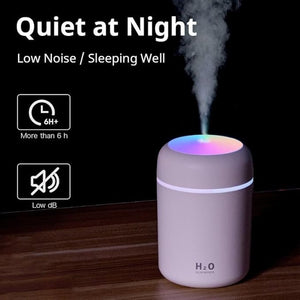
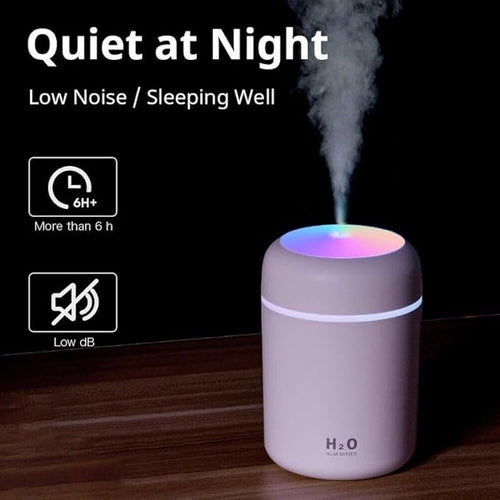
What to run it in? A Boond at ₹899 on the console, three drops, ticking over through the evening rather than blasted before guests.
2. The softer version: Westin-inspired White Tea Serenity. White tea, aloe, cedar. The same clean spine with the bergamot swapped for cooling aloe. This is the spa-reception register rather than the front-desk one — quieter, and the safer pick if your entrance is a shared landing.
3. The architectural one: 1 Hotels-inspired Forest Suite. Cedarwood, vetiver and green leaves. Not every lobby is marble — the timber-and-daylight kind is a real category, and this is that building.
4. The setting that does the work: three drops, run continuously. A real lobby diffuses at a low level all day. A Boond (₹899) at three drops, ticking over from six to ten, copies that far better than six drops for twenty minutes before someone arrives.
5. What not to copy. The concentration. Lobby scent is faint at the vent by design — engineered to be noticed once and then forgotten. If your entrance is the strongest-smelling part of your house, you have copied the idea and missed the method.
Made in India, composed by an ISIPCA Versailles-trained perfumer — and a portion of every order supports girl-child education through Nanhi Kali.

How a hotel lobby scent is actually engineered
Four things are true of the scent in a good hotel lobby, and only one of them is about the fragrance. Volume: a lobby is commonly eight hundred to two thousand cubic metres — double height, glass on one side, a revolving door at one end. A flat entrance is perhaps fifteen. Continuity: commercial scenting runs on a timer that barely stops, low output from before breakfast until after the last check-in, because a building with revolving doors loses its air constantly and a burst would be gone in minutes. Delivery: almost every hotel uses a cold-air, waterless machine — neat fragrance oil broken into a dry aerosol and either blown into the space or injected into the air-handling duct, so the building's own ventilation does the distribution. No water, no mist, no humidity, and no single spot that smells stronger.
The fourth is the brief, and it is the one nobody expects. A lobby scent is commissioned to be under-noticed. The brief is not "make our lobby memorable" but closer to "make it consistent, make it clean, and make sure it smells the same in Doha and in Chennai". That is why lobby scents converge on one small palette: white tea, a soft citrus, a dry wood, sometimes a whisper of musk. They have to be legible to a Japanese businessman and a Gujarati family in the same afternoon, which rules out anything with a personality. So the smell you are trying to reproduce is, by design, a forgettable one — and that is exactly why it reads as expensive. The luxury signal is not the scent; it is that a large space smells deliberate and nothing about it asks for attention.
The three lobby registers, and who each is for
 Quiet LuxuryFrom ₹299White tea · bergamot · cedar. Run the lobby palette through your memory and this is its shape: a clean tea note doing the main work, a bergamot lift so the opening is not flat, and cedar underneath giving it a dry, faintly structural finish. That cedar is the part amateurs leave out and the part that makes the difference — without a wood at the bottom, a clean scent reads as a spray; with one, it reads as a building.
At a home threshold it does the specific job a lobby does: it says the air here is managed, without saying anything about your taste.
It is also the sensible choice when your foyer is not really yours — a shared lift landing, a floor with two flats on it. The least declarative of the seven, which at a threshold is a feature.
The lobby matrix
Four of the seven can be argued into a lobby conversation, and they are four different buildings. Read across to the one you have in mind — a 15ml at ₹299 on the console settles it faster than the table.
| Scent | Notes | Character | Best for |
|---|---|---|---|
|
The Ritz-Carlton-inspired ★ Quiet Luxury |
White tea · bergamot · cedar | Clean, bright, dry wood underneath — the classic marble lobby | The default hotel-lobby reference for a home foyer |
|
Westin-inspired White Tea Serenity |
White tea · aloe · cedar | The same spine, softer and cooler — spa reception rather than front desk | A small entrance, a shared landing, or a fragrance-cautious building |
|
1 Hotels-inspired Forest Suite |
Cedarwood · vetiver · green leaves | Dry cedar and vetiver — the timber-and-daylight lobby | A foyer that opens onto wood, stone or plants rather than marble |
|
W Hotels-inspired Lobby Bar |
Citrus · pepper · amber | Citrus, pepper and amber — the bar off the lobby, not the lobby | An evening entrance in a flat where people arrive for drinks |
| Not in this family, for reference: The St. Regis-inspired Old-World Glamour is amber and violet, closer to a members' club than a lobby and slow to clear from a small hall; Shangri-La-inspired Tea Garden is jasmine and green tea, a garden not a building; Four Seasons-inspired Warm Welcome is the warmest of the seven and reads domestic. See all seven. | |||
Hotel Collection · the lobby pickFrom ₹299Shop →  Sukoon · a large or double-height entrance₹1,899Shop →
  Boond · the console machine₹899Shop →
Dose, running hours, and the source problem hotels solved first
Three drops in a Boond, and if that seems low for a scent meant to impress, that is this whole argument arriving in practice. Per cubic metre, a lobby runs at a level you would call faint standing at the vent — the impression comes from consistency across a huge space, not from strength. A flat entrance is roughly fifteen cubic metres, so three drops in a 300ml tank is already generous, and it survives the door opening, which is the thing that actually removes your fragrance. Four to five only if the entrance is double-height or opens straight into a living room.
Then run it the way a hotel does: low and continuous through the hours people arrive, rather than as a burst before the doorbell. The instinct to blast it twenty minutes before guests is exactly backwards at a threshold. A burst peaks, the door opens, and most of what you made leaves with the air while your visitor walks into the thinning tail. A machine ticking over from six to ten holds a floor the door cannot destroy, and it uses less fragrance than people expect, because maintaining a level is cheaper than chasing a peak. If your machine has a run-pause mode, use it — that is what commercial controllers do, and it is why lobby scent never builds into something cloying by evening.
One more thing hotels do first, and it is not a fragrance decision at all. A lobby has no shoe rack. Every commercial scenting brief starts with source control — the smell of the space is fixed before anything is added to it, because no diffuser has ever removed an odour, it only arrives alongside one. In an Indian entrance the source is almost always the shoes and the cabinet they live in: worn leather and canvas in a warm closed box produce a bacterial odour that cedar cannot displace, and a diffuser over it gives you both smells at once. Move the rack out if the building allows, use an open rack, let shoes dry before they go in, and wipe out the cabinet — usually the culprit rather than its contents. After that, the standard housekeeping: rinse the tank between scents, filtered water in hard-water cities, and never raw essential oils in an ultrasonic — they are too viscous to atomise and will foul the plate.
Which diffuser to run it in
A foyer is usually the smallest space in the plan, and for once the smallest machine is the correct answer rather than the thrifty one. Buy for volume, then let the door set the dose.
| Diffuser | Best for | Drops | Price |
|---|---|---|---|
|
Boond 300ml, USB, night light |
The standard flat entrance — a console, a shoe cabinet, two metres of passage. The right machine | 3 drops | ₹899 |
|
Sukoon ★ 500ml, remote, mood light |
An entrance hall that opens into the living room, or a foyer with a staircase running off it | 4–5 drops | ₹1,899 |
|
Megh 6 litre, large tank |
A double-height villa entrance or a lobby-scale hall | 5–6 drops | ₹3,499 |
| Hotel Collection 15ml | Testing the lobby register on your own console before committing to a size | Many fills | ₹299 |
| Refills · 100ml & 300ml | The one that survived a season of arrivals — 300ml at ₹1,799, about ₹6 a millilitre | Months of use | from ₹999 |
Versailles
I have spent a fair amount of time standing in hotel lobbies with my nose in the air, which is an embarrassing way to spend a holiday. The consistent surprise is how little there is to smell — you have to work to find it. Then you walk out and back in, and there it is again, obvious for two seconds and gone by the fourth. That gap between arriving and adapting is the entire product.
When I composed Quiet Luxury I was not trying to clone any one hotel. I was after the register — the flatness of a very clean scent with a wood under it, holding a level rather than telling a story. That is a harder brief than an interesting one: nothing to hide behind, and no development to distract from a weak material, because in eight seconds nothing develops.
So spend ₹299 on the 15ml rather than taking my word for it, put three drops in a small machine, leave it running low all evening, then walk out of the house and come back in after ten minutes. That walk is the only honest instrument you own — your nose stops working on your own hallway within twenty minutes. If it survives a fortnight, the 100ml at ₹999 is there. A portion of what you spend funds a girl's classroom through Nanhi Kali.
Frequently asked questions
- Best sophisticated fragrance for a luxury entrance — why restraint reads as money at a threshold.
- Best hotel-lobby-inspired fragrance for a living room — the same reference, a room people sit in.
- Which fragrance is best for your entrance? — three questions, one bottle.
- The complete foyer and entrance guide — placement, sizing, dose and what to buy first.
- Brand: the SOSA founder story.
SOSA products & prices (verified August 2026): Hotel Collection water-based ultrasonic diffuser fragrance 15ml ₹299 · 100ml ₹999 · 300ml ₹1,799 · Pack of 7 (15ml, all fragrances) ₹1,799; refills 100ml from ₹999. Seven scents: The Ritz-Carlton-inspired (white tea · bergamot · cedar), Westin-inspired (white tea · aloe · cedar), 1 Hotels-inspired (cedarwood · vetiver · green leaves), The St. Regis-inspired (amber · violet · woods), Shangri-La-inspired (jasmine · green tea · white tea), Four Seasons-inspired (citrus · floral · sandalwood), W Hotels-inspired (citrus · pepper · amber). Diffusers: Boond 300ml ₹899 · Sukoon 500ml ₹1,899 · Megh 6L ₹3,499. Water-based, phthalate-free, composed to IFRA standards for home diffusion; 3–6 drops per tank. Made in India, Pune. The Hotel Collection scents are SOSA's own interpretations inspired by the world's finest hotels; all hotel names are trademarks of their respective owners and are used only to describe the scent style — SOSA is an independent Indian fragrance house, not affiliated with or endorsed by any hotel brand. Prices and availability subject to change — see the live product pages.