
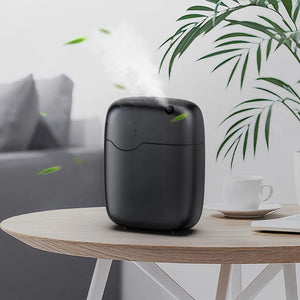

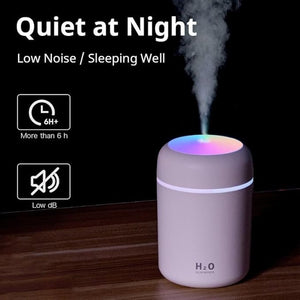


You know the smell — the cold, shut-cupboard mustiness that greets you when you open a child's room after a wet August day. That's moisture, not a missing fragrance. In humid and monsoon months the work is drying and airing the room first, then adding a passive reed that scents the air without adding a drop more humidity.
The cause: damp air, laundry drying indoors, and shut windows — all moisture, not a lack of scent.
The format: a passive reed, not an ultrasonic mist diffuser. A mist diffuser adds humidity a damp room doesn't need.
The order: control damp and air the room, then scent low and out of reach. For a newborn, skip added fragrance.
Every year around June, parents in Mumbai, Kochi, Chennai and along the coast write to me with the same worry: their child's room has gone musty and no amount of scent fixes it. That's because scent was never going to fix it. Musty is the smell of damp — of humid air sitting in a shut room, of laundry drying on a rack in the corner, of a cupboard that never quite dries out. Pour fragrance over that and you get a damp room that also smells of fragrance. The real work is about moisture, and it's mostly free.
1. Get the laundry out. Drying clothes on a rack in the room is the single biggest cause of monsoon mustiness. Dry them elsewhere.
2. Air it whenever the rain lets up. Open the windows and get a cross-draught going, even for a short while — moving air is what clears damp.
3. Manage cupboard damp. Silica or charcoal sachets in the wardrobe and drawers absorb moisture and stop that shut-cupboard smell settling into clothes.
4. Dry the bedding fully. Half-dry sheets and towels go sour fast in humidity. Make sure everything is properly dry before it goes back.
5. Then scent — with a reed, not a mist. Once the room is dry and aired, a passive reed crowns it without adding any humidity.
That last point is the one people get wrong, so let me be plain about it. An ultrasonic diffuser works by pushing a fine water mist into the air — lovely in a dry, air-conditioned room, but exactly wrong in a humid monsoon room where the air is already saturated. You'd be adding moisture to the very problem you're trying to solve. A reed diffuser is passive: no water, no mist, no heat. It draws oil up the sticks and releases scent into the air with zero added humidity. In a damp climate, for a child's room, that makes it the obvious choice.
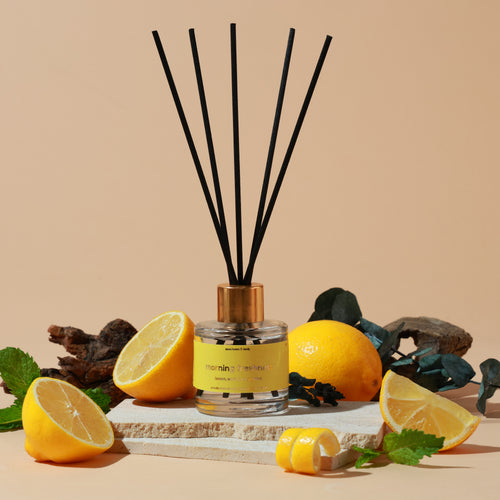
A clean, cool citrus like Morning Freshness works particularly well in humidity because it reads as "fresh, dry air" — the opposite of musty. If you'd prefer something softer for a bedroom, Evening Calm does the same passive, no-moisture job with a calmer note. If you happen to run scent across a whole humid home for hours, the waterless SOSA Vaayu is the grown-up, no-humidity option for the rest of the house — but for the child's room itself, keep it to a simple reed.
| Format | Adds humidity? | Verdict for monsoon |
|---|---|---|
| Reed diffuser · ₹749 | No — passive, no water | Best choice; scent with zero added moisture |
| Boond ultrasonic · ₹799 | Yes — fine mist | Only very brief bursts, then off; not for damp days |
| Vaayu waterless · ₹11,999 | No — waterless nebulising | For the whole home, not the child's room itself |
My honest caveat: keep any scent very low, watch for any sensitivity, don't run a diffuser overnight, and skip fragrance entirely for a newborn. If your child has asthma or allergies — and damp rooms can be harder on sensitive chests — keep scenting minimal or none and speak to your paediatrician first. This is general guidance from a perfumer, not medical advice. In the monsoon, a dry, well-aired room matters far more than any fragrance; the reed is only the quiet finishing touch on top of that.