
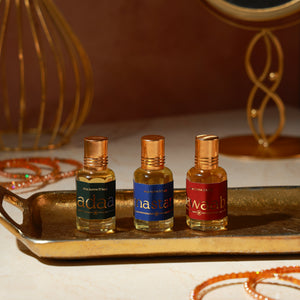
- The direct answer
- Why tuberose isn't here, and what jasmine genuinely shares with it
- The three decisions a white-floral lover actually needs to make
- Matching your white-floral craving to the right SOSA attar
- How much to put on, and how often
- What to buy first, and what to add later
- A note from Sonal
- Questions from tuberose and white-floral lovers
2. The honest bridge is jasmine, not a substitute tuberose. Jasmine and tuberose both belong to the wider white-floral family, sharing a creamy, slightly narcotic quality at their heaviest — which is why jasmine is the closest thing this range has to answer a tuberose craving, without ever claiming to be tuberose.
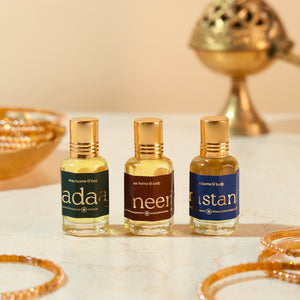
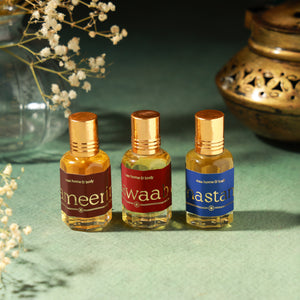
3. Adaa's jasmine sambac is the lighter side of that bridge. Bright, green and clean, sitting over bergamot, green cardamom and white musk — closer to a fresh white-floral reading than to tuberose's heavier, creamier weight, but genuinely in the same wider family.
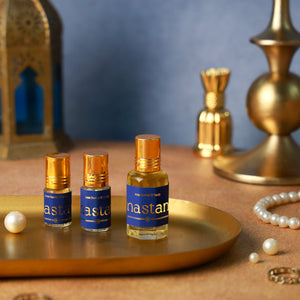
4. Mastani's night-blooming jasmine is the heavier side. Indolic-leaning and narcotic in the way tuberose lovers often specifically seek out, sitting alongside Damask rose over oudh — closer to tuberose's weight than Adaa is, though still a genuinely different flower.
5. Start at 3 ml with realistic expectations, not a substitute in mind. ₹379 or ₹389 is a low-risk way to learn whether this range's white-floral bridge satisfies the craving, or whether tuberose specifically is a note worth seeking elsewhere.
If tuberose is the exact flower you love, the honest answer is that this range doesn't carry it — what it carries is jasmine, in two different weights, and whether that's close enough is a question only your own nose can answer.
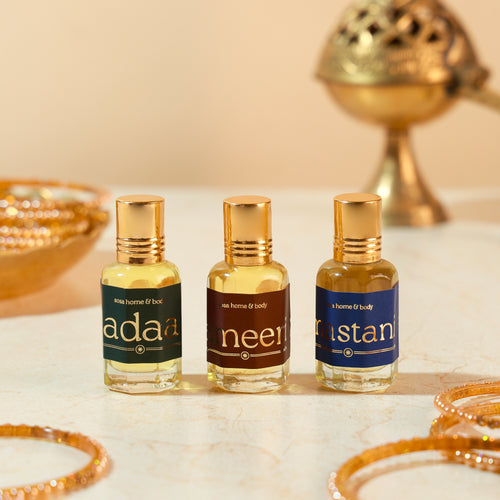
Why tuberose isn't here, and what jasmine genuinely shares with it
This range is built from four attars — Adaa, Ameeri, Mastani and Nawaab — and tuberose is not one of the named notes in any of them. That's worth stating without hedging, because a tuberose lover who has worn the flower before will recognise the difference immediately if it's promised and not delivered, and an inaccurate promise costs more trust than an honest 'not quite' ever would. Tuberose has a very specific character — waxy, rich, faintly rubbery at its edges — and no amount of clever wording changes what's actually inside a bottle.
What jasmine and tuberose genuinely share is family, not identity. Both sit in the wider white-floral group perfumers reach for when they want something creamy, heady and a little narcotic — the quality that makes both flowers feel more physical than a light, airy floral like orange blossom. Night-blooming jasmine, the note in Mastani, leans hardest into that narcotic, indolic weight, which is the closest single quality this range has to what a tuberose lover is usually chasing. Jasmine sambac, the note in Adaa, shares the same family but sits at its lighter, greener end. Perfumers themselves group jasmine, tuberose, gardenia and ylang-ylang under the same broad white-floral heading precisely because they share that narcotic quality at different intensities, even while remaining distinct materials.
Neither one is a stand-in for tuberose, and neither post in this series will pretend otherwise. What they offer instead is an honest adjacent answer — a real flower, from a related family, carried well, rather than an invented tuberose accord dressed up in a tuberose lover's own vocabulary. Whether that adjacency is close enough is a genuinely open question this guide can't answer for you, and it's a better question to settle on skin than in a paragraph.
The three decisions a white-floral lover actually needs to make
 Mastani₹389If tuberose specifically, and only tuberose, is what you're after, this range's jasmine bridge may not satisfy it — that's worth deciding before spending anything, not after.
Matching your white-floral craving to the right SOSA attar
Not every white-floral craving wants the same weight. This lines up the specific craving against the closest honest answer, inside a four-attar range that doesn't contain tuberose itself — and says so plainly in each row rather than only once at the top of the page.
| If what you love is… | The attar | Why it fits | How close it actually gets |
| Tuberose's creamy, narcotic weight | Mastani, as the closer of the two | Night-blooming jasmine shares tuberose's indolic, heavy-white-floral family, sitting with Damask rose over oudh | Genuinely closer in weight than Adaa, but still a different flower, not tuberose itself |
| A lighter, greener white floral | Adaa | Jasmine sambac over bergamot, green cardamom and white musk reads bright rather than heavy | Further from tuberose's density, closer to a fresh white-bloom reading |
| Orange blossom specifically, not jasmine | Not carried in this range under that name — the closest adjacent reading is Adaa's bright jasmine sambac | Jasmine sambac and orange blossom share a fresh, citrus-adjacent white-floral lightness | A genuine adjacency, not the same flower — say so plainly before buying |
| You want to compare the lighter and heavier white-floral bridges on skin | Adaa and Mastani together | Two real, different jasmines, both adjacent to tuberose's family, tested side by side | ₹379 + ₹389, cheaper and more honest than guessing |
| A literal tuberose attar, with nothing else substituted | Not offered in this range under any name — every honest answer here starts from jasmine, not tuberose, and this page would rather say that once too often than once too rarely. |
Adaa · the lighter white-floral bridge₹379Shop → 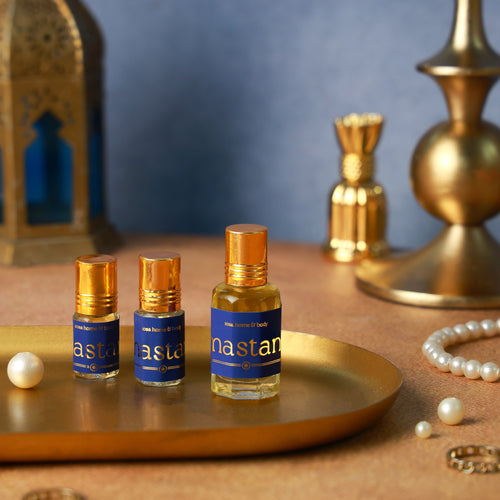 Mastani · the heavier, more narcotic bridge₹389Shop →
 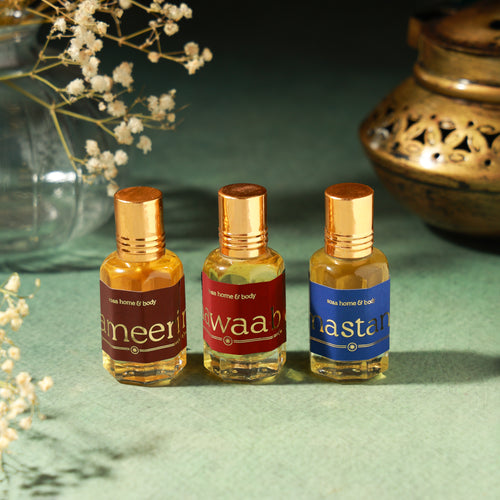 The trio · add the rose-and-wood route too₹1,055Shop →
How much to put on, and how often
Never judge Mastani's night-blooming jasmine against a tuberose memory in the first minute — indolic white florals open strongly and settle over time, and a fair comparison needs skin and patience, not a quick sniff off the cap. A memory of tuberose worn years ago is also a moving target, worth re-checking against something fresh rather than trusted blindly.
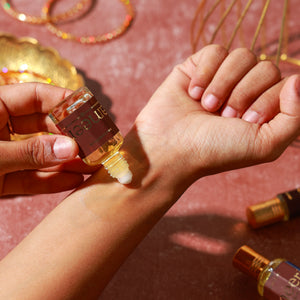
Sometimes the honest move on a first wear is applying it to a single pulse point rather than several, particularly with Mastani, because its weight is enough that more isn't automatically better on a first test.
Usually, with Adaa, one light pass at the wrist and one at the inner elbow, from a 3 ml roll-on, is enough to spend a full day learning whether the lighter side of this bridge answers your craving at all.
What to buy first, and what to add later
Matched to how close you need the bridge to get, and how much of the range you're ready to compare at once.
| Route | Best for | Why | What it costs |
| Mastani, 3 ml | The closer of the two bridges to tuberose's weight and heat | Night-blooming jasmine's indolic, narcotic-leaning character over Damask rose and oudh | ₹389 |
| Adaa, 3 ml | A lighter, greener white floral rather than tuberose's density | Jasmine sambac over bergamot, green cardamom and white musk | ₹379 |
| Both, 3 ml each | Genuinely unsure how much weight you actually want | Two real jasmines, side by side on skin, cheaper than guessing wrong on a larger bottle | ₹768 total |
| Mastani, 6 ml or 12 ml | Once the 3 ml has confirmed the heavier bridge is close enough for you | The same indolic jasmine-and-rose profile, sized for regular wear | ₹685 / ₹1,179 |
| Looking elsewhere for tuberose itself | A reader for whom neither bridge is close enough | The honest answer if the craving is specifically for tuberose and nothing adjacent will do | — |
This is the post I'd rather under-promise on than over-promise. Tuberose is a specific, demanding material, and I don't have it in this range — I could describe jasmine in language borrowed from tuberose to make the gap feel smaller, and I'd rather not, because a tuberose lover will notice the difference on skin within a day, and I'd rather they trust the next thing I tell them. Trust, once spent on a small exaggeration, is expensive to earn back.
What I can say honestly is that jasmine and tuberose come from real, recognised kinship in perfumery — both heavy white florals, both capable of that creamy, narcotic weight at their fullest. Night-blooming jasmine in Mastani gets closer to that weight than anything else I make; jasmine sambac in Adaa stays lighter and greener on purpose.
If tuberose specifically is the flower you're chasing, I'd rather tell you plainly that this range's honest answer is adjacent, not identical, and let you decide from there — with real information, not a flattering approximation. Some readers try the bridge and are satisfied; others confirm they want tuberose itself, and both outcomes are useful ones to reach honestly.
Questions from tuberose and white-floral lovers
- I Love Jasmine Perfumes — Which Perfume Oil Would Suit Me? — the fuller comparison between this range's two jasmines, on their own terms.
- I Love Orange Blossom and Clean White Flowers — Which Attar Would Suit Me? — the closest honest answer for a lighter, citrus-adjacent white-floral craving.
- I Like Florals but Hate Powderiness — Which Roll-On Perfume Should I Try? — for a white-floral lover specifically wary of a powdery finish.
- Which SOSA Attar Should a Floral-Perfume Lover Try? — this series's short, direct wrap-up for the same reader.
- Brand: the SOSA founder story.
SOSA attars & prices (verified September 2026): All four are alcohol-free roll-on attars in 3 ml, 6 ml and 12 ml. Adaa (bergamot, green cardamom, jasmine sambac, white musk) ₹379 · ₹669 · ₹1,149. Ameeri (Taif rose, Indian sandalwood, Persian saffron, soft oudh) ₹385 · ₹679 · ₹1,165. Mastani (night-blooming jasmine, Damask rose, oudh) ₹389 · ₹685 · ₹1,179. Nawaab (white royal oud, Mysore sandalwood, Kashmir saffron) ₹399 · ₹699 · ₹1,199. The Ameeri + Nawaab + Mastani trio is ₹1,055 · ₹1,859 · ₹3,189. Prices are the live store prices at the time of writing.