

How do I know where to place a unit? Read your airflow. Every store has a prevailing draught from the door and the AC; place upstream of the zone you want to scent and let the air distribute it. Placement is airflow first, hardware second.
One big system or several small ones? Size to the space - a Sukoon (₹1,799) for a small shop, a Vaayu for a showroom floor, a ducted Aangan (₹25,999) for a large multi-zone space. One well-placed unit beats several scattered ones.

2. Cover the display floor and demo zones. These are where dwell time is earned, so scent them evenly and gently, always beside the customer and never over the gear.
3. Keep billing and waiting to a trace. Close-contact zones need only a light, calming hint - a small unit or the drift of your main signature.
4. Leave the no-scent zones alone. Open equipment, AC vents, the repair bench and the stockroom get nothing - they want clean, dry, still air to protect the stock.
5. Size and schedule the system. Match the machine to the space and run it on a timer so the store is scented from before opening to after close, without depending on anyone's memory.
Made in India; a portion of every order supports girl-child education through Nanhi Kali.
The placement principles, in order
 Vaayu · scheduled₹11,999 Every placement decision in an electronics store comes back to one line. The customer path - entrance, floor, demo, premium room - earns the scent, because that is where dwell time, mood and perceived value are made. The stock side - open equipment, shelves, vents, the repair bench, the stockroom - is protected, because it wants clean, dry, still air. The whole craft of placement is drawing that boundary clearly and never letting a diffuser cross it. Get this one principle right and the rest is detail; get it wrong and no scent, however lovely, will save the plan. Vaayu · scheduled₹11,999 The second principle is that air, not architecture, distributes scent. Every store has a prevailing movement - the draught from the door, the throw of a split-AC, the pull of a return vent - and that movement is your free delivery system. Place a unit upstream of the zone you want to scent and the room carries it for you; place it downstream, or under a return, and you spend fragrance fighting the current or feeding it straight out of the room. Read the air before you fix anything to a wall. In a large space this single habit separates a plan that works from one that does not.
 Aangan · HVAC₹25,999 The third principle is to match the machine to the space and let a timer run it. A small shop needs a single counter unit; a showroom floor needs a waterless nebuliser sized to its volume; a large multi-zone space needs ducted delivery so one signature reaches everywhere invisibly. Then schedule it - on before the doors open so the room is ready for the first customer, off after close - so the scent never depends on a staff member remembering to switch anything on. Right size, right placement, right schedule: that is a placement plan that runs itself.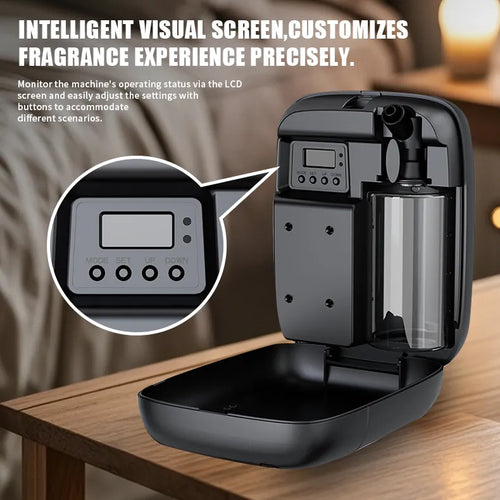
Placement by airflow - the habit that decides everything
If you take one working habit from this guide, make it this: place by airflow. Before any machine goes up, stand in the store on a normal trading day and read the air. Feel the inward draught at the door, notice which way the split-AC units throw their air, find the return vents that pull it back. Sketch these on your floor plan as arrows. Those arrows are the routes your scent will actually travel, and they matter far more than where the sockets happen to be or where a shelf leaves a convenient gap.
Then place with the current. A diffuser set slightly upstream of a zone lets the room's own air carry the signature across it for free, evenly and quietly. A diffuser set under a return vent does the opposite - it feeds your fragrance straight out of the space and can pull it across your stock on the way. This single reading of the air is why two identical stores with identical machines can get completely different results, and why placement, not hardware, is the thing worth getting right. In a large showroom, the cleanest way to work with the air rather than against it is to scent through the ducting itself.
The full zone map, front to back
This is the whole store on one page: the top rows earn a signature, the bottom rows are deliberately, permanently left alone.
| Zone | Scent level | Recommended system & placement |
|---|---|---|
| Entrance & front window | Signature - the first verdict | Vaayu, 1-2m inside, angled in |
| Main display floor | Present but subtle | Vaayu or ducted Aangan |
| Demo / experience zones | Light, steady, focusing | Vaayu beside seating |
| Premium display room | Refined, gentle | Waterless Vaayu / ducted |
| Reception desk | Hospitable, soft | Hotel Collection, set back |
| Billing counter | Trace only | Boond (₹799), off the till tech |
| Customer waiting area | Calming, gentle | Boond / Sukoon by seating |
| Open equipment & AC vents | None | No unit - moisture & drift risk |
| Stockroom & repair bench | None | No unit - clean, dry, still air |
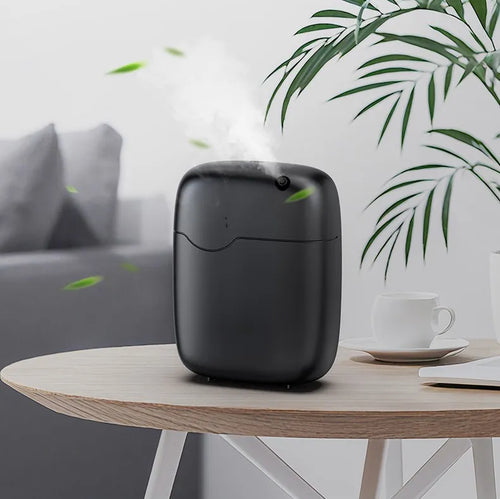 SOSA Vaayu · Display floor₹11,999See details →
  Sukoon 500ml · Small stores₹1,799See details →
 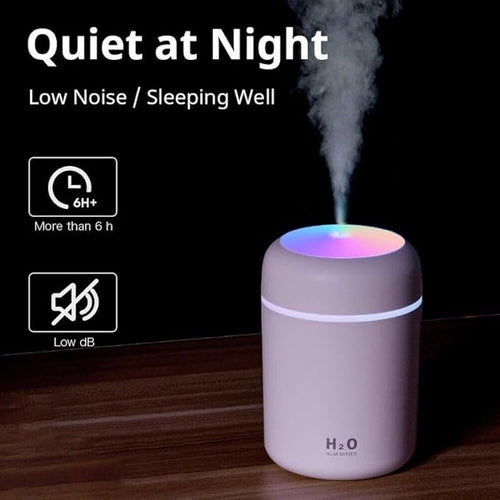 Boond 300ml · Billing corner₹799See details →
Placement mistakes that quietly waste a good system
The most common placement mistake is putting the unit under or beside an air-conditioning return. It looks tidy and out of the way, which is exactly the problem - the return pulls your fragrance out of the room before a customer ever meets it, and often drags it across the shelves in the process. The fix is simple: keep diffusers well clear of returns and out of the direct throw of supply vents, and let the room's settled air, not its extraction, do the carrying.
The second mistake is placing for the machine's convenience rather than the customer's path - tucking a unit in a back corner near a socket where nobody browses, or centring it on a demo table right over live gear. Scent belongs where the customer slows down and where the equipment is safe, which is rarely the same spot as the nearest plug. Run an extension if you must, but place on the path.
The third mistake is using the wrong machine type for the spot. Water-based ultrasonic units are fine over a counter or in a waiting corner, but they add humidity, so anywhere near open equipment - the display floor, the demo zone, the premium room - the correct choice is waterless. In humid and coastal cities, treat waterless as the default anywhere it runs near stock. Match the machine to the zone and the plan protects your inventory as well as it scents your customers.
The SOSA commercial edit
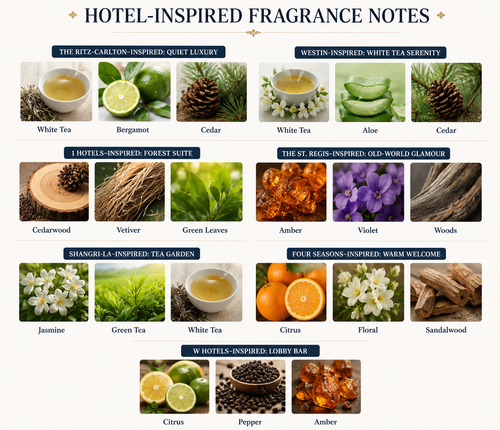
Whichever kind of electronics business you run, the system logic is the same: one signature, sized to the space, scheduled so it never depends on a staff member's memory, and waterless wherever it runs near stock. The Hotel Collection blends - SOSA's own interpretations of the world's finest hotel scents - run across the range, and everything is supported from Pune. A portion of every order supports girl-child education through Nanhi Kali.
| System | Best for | Why it works | Price |
|---|---|---|---|
| Boond (300ml) | Billing corners, waiting areas, small counters | Small ultrasonic unit for the zones that need a trace, not a signature | ₹799 |
| Sukoon (500ml) + Hotel Collection | Small single-room stores | The entry system - enough for a compact shop floor, water-based | ₹1,799 + ₹299 |
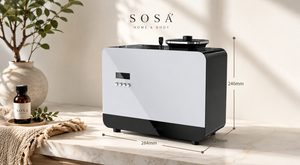
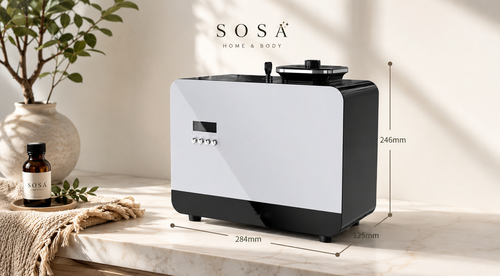
| SOSA Vaayu ★ | Showroom floors & demo zones to ~1000m³ | Waterless cold-air nebulising, Bluetooth app + 1/4/8/24h timers, under 38 dB - waterless is what makes it right near stock | ₹11,999 |
| SOSA Aangan | Large showrooms 8,000-10,000 sq ft | HVAC nebulising - one signature through the whole customer floor, hidden in the plant room | ₹25,999 |
| Hotel Collection refills | Every system's running cost | 100ml / 300ml - SOSA's interpretations of the world's finest hotel scents | from ₹999 |
Versailles
Frequently asked questions
Facts verified August 2026: Ambient scent research consistently associates pleasant, congruent scenting with longer dwell time, improved venue evaluations and stronger brand recall at moderate effect sizes; congruence and gentle intensity outperform strong scenting in replicated studies, and no scent effect survives unclean or poorly ventilated premises. Olfactory memory is unusually durable, which is the mechanism behind signature retail scents. The principal risk to electronic equipment from diffusion is added moisture and residue rather than fragrance itself, which is the basis of this range's waterless recommendation. SOSA systems: Boond 300ml (₹799) and Sukoon 500ml (₹1,799) ultrasonic units run the water-based Hotel Collection fragrance (from ₹299; refills 100ml ₹999); SOSA Vaayu (₹11,999) is a waterless cold-air nebulising machine, up to 1000m³, 400ml tank, Bluetooth app and 1/4/8/24h timers, under 38 dB; SOSA Aangan (₹25,999) is an HVAC nebulising system covering up to 3,000m³ (roughly 8,000-10,000 sq ft). The Hotel Collection scents are SOSA's own interpretations; SOSA is independent and not affiliated with any hotel brand. Prices and availability are subject to change - see the live product pages.