



In a spa, scent is a silent brand asset — and a spa's whole promise is calm. One quiet signature across the front-of-house, sized and scheduled, helps a guest exhale before the treatment begins. But it belongs at the door and in the lounge, never crowded over the therapist's own oils.
Scent the front-of-house, keep treatment rooms neutral. Run one calm signature through reception, lounge and corridors; let each therapy room stay light so oils and aromatherapy can lead.
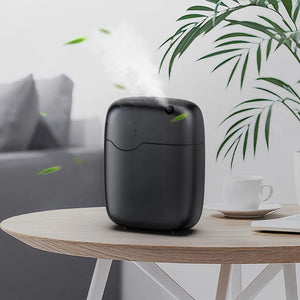
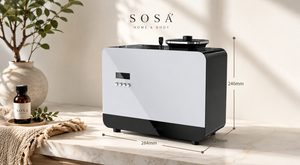
Go waterless. A SOSA Vaayu or Aangan HVAC adds scent without adding humidity — vital in a warm, coastal spa.
Low is the whole point. A spa scent should be exhaled into, not noticed — present, not perfumed.
A spa sells a feeling more than a service, and scent is closer to that feeling than almost anything else you can buy. The moment a guest steps out of traffic and noise and into your lounge, their breathing should slow. A calm, familiar signature at the door does a surprising amount of that work quietly, before the tea is poured. But spas also get scent more wrong than any other business I visit, and almost always in the same two ways: they scent too strongly, and they let one house fragrance bulldoze the treatment rooms.
1. Clean and air first. A calm scent cannot settle over damp towels, chlorine drift from a pool, or a stuffy corridor. Ventilation and hygiene come before fragrance, always.
2. Choose one calm signature. Soft, serene, congruent with your brand — a quiet floral, a light wood, a restful Hotel Collection cast. Nothing sweet or sharp.
3. Scent the front-of-house only. Reception, waiting lounge, corridors. This is where the signature lives and where a guest forms their impression.
4. Keep treatment rooms near-neutral. Let each therapist's oils and the client's chosen aromatherapy lead. A signature fighting a massage blend ruins both.
5. Run it low and scheduled. Ease it on before the first appointment; keep it as a background a guest exhales into, never a fragrance they remark on.
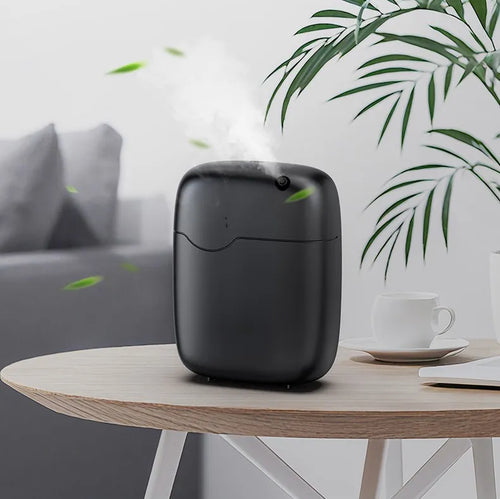
The reason waterless matters so much for spas deserves its own moment. Many spas are warm, some sit beside steam or a pool, and a great many are on the humid coast — Goa, Kochi, coastal Mumbai. An old ultrasonic mist machine running all day adds real moisture to air that is already heavy, and you end up with damp skirting and that closed, over-humid feeling that undoes the calm you are selling. A waterless nebulising system releases scent as a dry cold-air mist with no water at all, so the air stays fresh however long it runs. For a spa, that is not a detail — it is the difference between fresh and stifling.
| Your spa | System | Why |
|---|---|---|
| One corner or foot-ritual nook | Sukoon · ₹1,799 | A small, low-cost start for a single zone; runs Hotel Collection fragrance. |
| Compact spa or single floor | SOSA Vaayu · ₹11,999 | Waterless, under 38 dB, app-scheduled; covers up to 1000 m³ with no humidity. |
| Full spa or wellness centre | Aangan HVAC · ₹25,999 | Ducts one even, calm signature across the front-of-house, 8,000–10,000 sq ft. |
| Large destination spa | Meenar HVAC · ₹38,500 | The largest ducted system, for 12,000–18,000 sq ft premises. |
One honest caveat, the same one I give every wellness client: the effect is real but moderate. A calm, congruent scent helps a guest settle faster and remember the visit fondly, and it quietly signals care. It cannot relax someone in a noisy lounge, over a stuffy corridor, or against the smell of damp towels. Scent is one honest layer of a calm experience — it crowns a spa that is genuinely restful and does nothing for one that isn't.
- Commercial Scent Marketing: The Business Guide — the complete pillar
- Scent Marketing for Salons — the reception-signature sibling
- Scent Marketing for Hotel Lobbies — signature at scale
- HVAC Commercial Scenting: How It Works — ducted scent explained
- Shop all home & commercial scenting