


How do I coordinate scent with light and sound? Match warmth to warmth: low light and slow music want a grounded scent; bright light and up-tempo want a lifting one.
Are all the senses engaged in the hall? No — the hall quietens sight, sound and smell so the body can attend to breath and touch.
2. Let scent set the key. It arrives first and unnamed, so it primes how the light and sound are received.
3. Match warmth to warmth. Low light and slow music pair with grounded sandalwood or vetiver; bright light and up-tempo with lifting green tea or citrus.
4. Sequence, don't saturate. Engage the senses richly at the arrival, then dial them down as a member nears the mat.
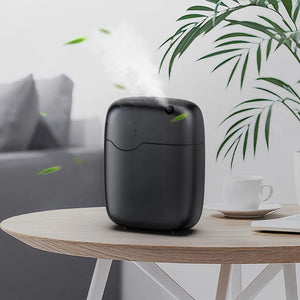
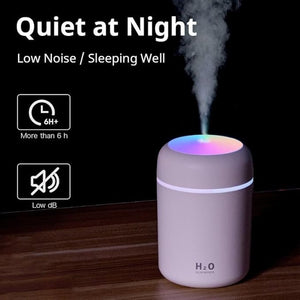
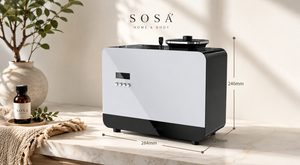
5. Quieten everything in the hall. Sight, sound and smell all recede so breath and touch can lead. A Sukoon (₹1,799) or an Aangan (₹25,999) scales the scent layer.
A portion of every order supports girl-child education through Nanhi Kali.
The senses as an ensemble
A member does not experience your studio one sense at a time. They receive it as a chord — the warmth of the light, the hush or lift of the music, the texture underfoot, the temperature of the air and its scent, all landing together in the first few seconds. When those notes are in tune, the effect is a feeling of rightness the member cannot quite explain; when one is off, the whole thing sounds slightly wrong even if they could not tell you which instrument is to blame. Coherence is the whole game, and coherence is a decision, not an accident.
Scent earns a particular place in this ensemble because it is both the first to arrive and the hardest to identify. Light and sound announce themselves; a member knows they are hearing music. Scent slips in below awareness and colours everything that follows, which means it is quietly setting the key the other senses will be heard in. Get the scent wrong and the loveliest playlist and softest lighting are working against a headwind. Get it right and it does the ensemble a favour before the first note of anything else is consciously registered.
Coordinating scent with light and sound
The practical skill in multi-sensory design is matching the temperature of your choices. Warmth pairs with warmth. If your lighting is low and amber and your music is slow and unmetred, a sharp, bright citrus in the air will feel like a wrong note — the nose is being asked to hurry while everything else asks it to settle. Reach instead for a grounded scent that agrees with the low light: sandalwood, vetiver, something with weight. Conversely, a bright morning vinyasa room with clean white light and an up-tempo playlist would feel muffled under a heavy resinous scent; it wants green tea, citrus or cedar to keep pace.
This is not fussiness; it is the difference between an experience that feels composed and one that feels merely equipped. Plenty of studios own a good speaker, decent lighting and a diffuser, yet the three have never been introduced to each other. Spend an evening in your own arrival with all of it running and ask a simple question: are these three saying the same thing? If the light says calm and the scent says wake up, a member feels the disagreement as a faint unease. Tune them to one another and the arrival gains a smoothness that no single upgrade could buy.
| Mood | Light & sound | The scent that agrees |
|---|---|---|
| Grounding (hatha, yin, restorative) | Low warm light, slow unmetred sound | Sandalwood, vetiver |
| Awakening (vinyasa, power) | Clean bright light, up-tempo | Green tea, citrus, cedar |
| Stillness (meditation, breathwork) | Dim, near-silent | Near-neutral white tea, barely there |
 Sukoon · one small studio₹1,799Shop → Vaayu · every threshold₹11,999Shop →
 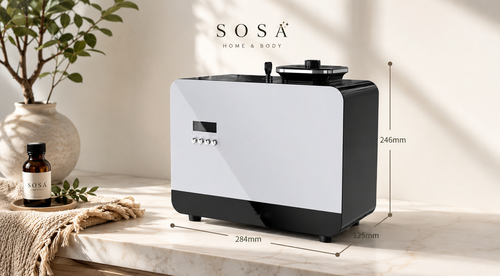 Aangan · whole centre₹25,999Shop →
Sequencing the senses across the journey
A multi-sensory experience is not a constant. The mistake is to imagine you should engage every sense as richly as possible everywhere; the art is in sequencing them, turning some up and others down as a member moves through the space. At the arrival, engage generously — this is where scent, light and sound work hardest to lower the shoulders and mark the crossing from the street into the studio. Along the corridor, begin to simplify. And at the threshold of the practice hall, perform the most important move in the whole sequence: quieten everything.
Inside the hall, sight is pared back, sound drops to the teacher's voice and the breath, and scent stops altogether. This is not a failure of ambition; it is the peak of it. The practice needs the senses to get out of the way so the two that matter — the interoceptive sense of breath, and touch, the body's contact with the mat and the ground — can come forward. A room full of people doing pranayama is the worst possible place for an ambient fragrance, so the Vaayu runs through the arrival and is scheduled off at the first Om. The senses are engaged, then deliberately released; the threshold carries the ensemble, and the hall yields to the breath.
The SOSA commercial edit
One ladder of machines to carry the scent layer of your ensemble, from a single studio's desk to a whole centre's ducting. Pick the rung that fits and tune the blend to the mood the other senses are already setting.
| System | Best for | Why it works | Price |
|---|---|---|---|
| Boond | Changing rooms, washrooms, shoe racks | Small, water-based, keeps side rooms to a trace | ₹799 |
| Sukoon + Hotel Collection | A single small studio reception | Gentle ultrasonic diffusion for one enclosed lobby | ₹1,799 + ₹299 |
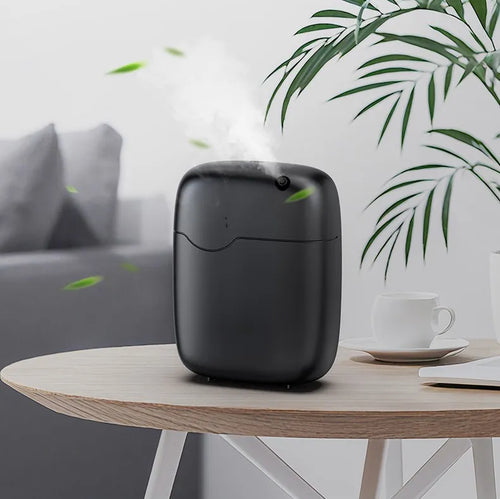
| SOSA Vaayu ★ | Reception, entrance, corridor, shoe rack | Waterless, app + timer, up to ~1000m³, under 38dB | ₹11,999 |
| SOSA Aangan | Whole wellness centre via ducting, 8,000–10,000 sq ft | One signature front-of-house, halls on their own zone | ₹25,999 |
| Hotel Collection refills | Keeping the studio running | The real running cost, low and predictable | from ₹999 |
Versailles
The studios that move me are not the ones with the most equipment. They are the ones where the light, the sound and the air have clearly been in the same room together, agreeing on what kind of morning this is going to be.
When owners ask me to add scent to their experience, I always ask what the light and the music are already saying, because my job is to join the conversation, not interrupt it. A scent that argues with the lighting is worse than no scent at all.
Tune the arrival so every sense agrees, then have the discipline to let them all fall away at the hall door. Your members get a practice that feels whole; a girl gets a classroom through Nanhi Kali.
Frequently asked questions
- Yoga studio interior design and fragrance — scent as the finishing material.
- How signature scents increase member loyalty — the familiar arrival that brings members back.
- SOSA Vaayu — the waterless threshold standard.
- Brand: the SOSA founder story.
Facts verified August 2026: the evidence on ambient scent is that effects on dwell, perceived quality and recall are real but moderate, that scent-environment congruence matters more than intensity, and that no fragrance improves an unclean or poorly ventilated space — which is why the practice hall stays clean and the scent lives at the threshold. SOSA systems and prices as stated: Boond ₹799, Sukoon ₹1,799, Megh ₹3,499, Vaayu ₹11,999, Aangan ₹25,999, Meenar ₹38,500, Hotel Collection scents from ₹299, refills from ₹999. The Hotel Collection scents are SOSA’s own interpretations inspired by the world’s finest hotels; SOSA is an independent Indian fragrance house, not affiliated with or endorsed by any hotel brand. Prices subject to change.